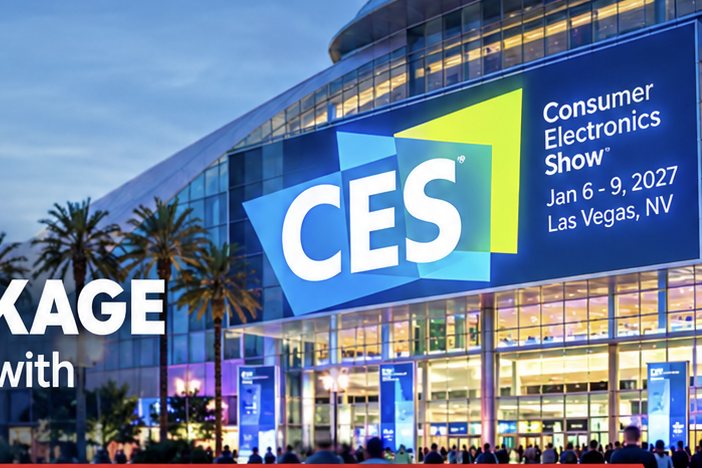
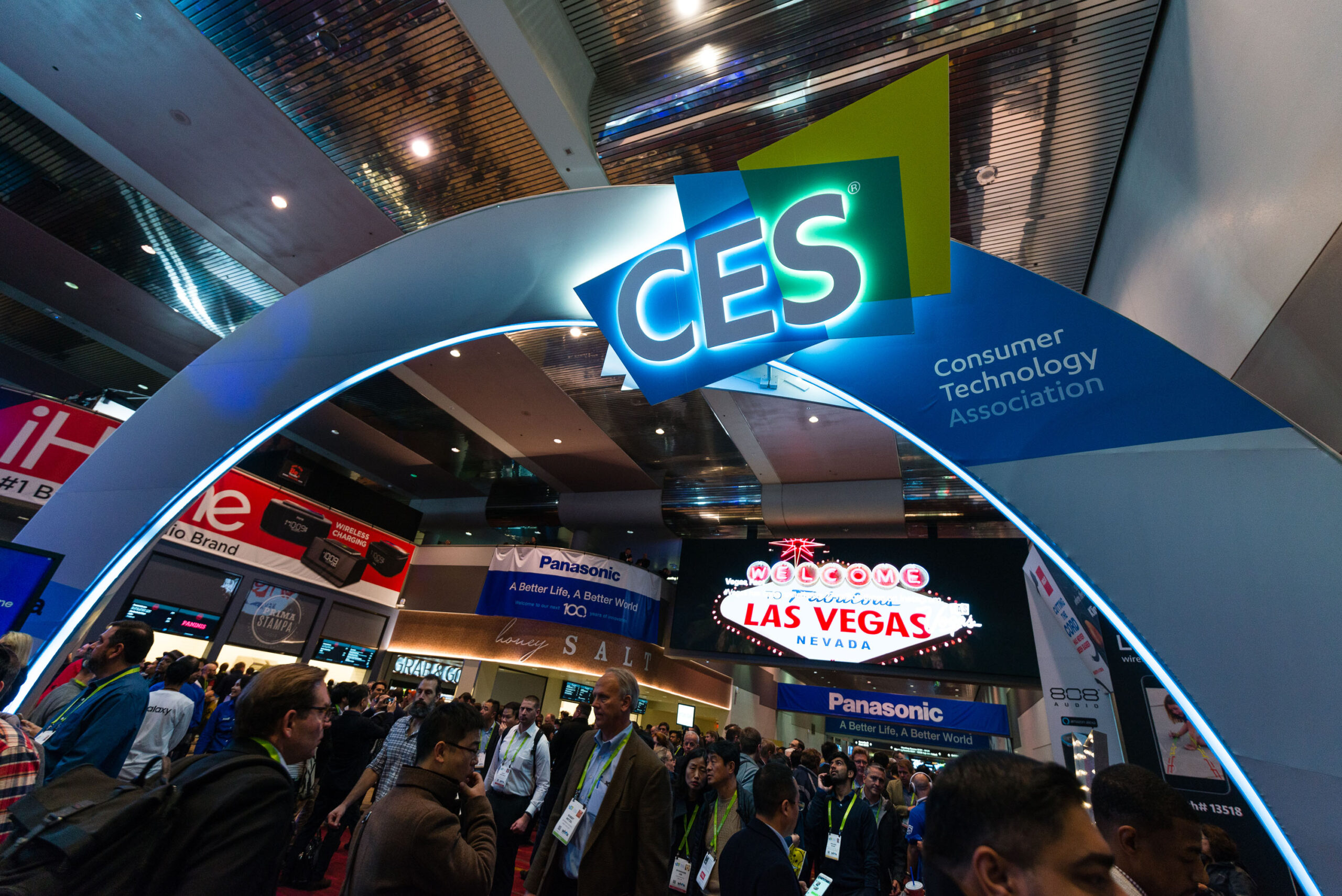
Attending a tradeshow like the Consumer Electronics Show (CES) can be one of the best ways to generate leads, build brand awareness, and connect face-to-face with potential buyers. However, without the right strategy, many companies end up wondering if the time and money were worth it.
The good news? With proper planning and execution, your tradeshow marketing efforts can deliver real results. Here are nine proven steps to make your next tradeshow a success. Or, listen to our latest podcast on this very subject.
Key Takeaways
- A trade show is a buyer meeting channel, not a brand awareness channel. Judge it on meetings booked, not badges scanned.
- Book the meetings before the show. Buyers arrive with a schedule already full, and an unbooked booth is a lottery.
- Set goals and KPIs before you pay for the space, so you can tell afterwards whether the show worked or just felt busy.
- Speaking at the show puts you in front of buyers who never planned to walk your aisle, and it costs less than a bigger booth.
- Follow up within days while the show is still the reason for the message. The follow-up decides the return, not the booth.
- Debrief while it is fresh and decide then and there whether you rebook, because show space is committed months ahead.
Need Help Navigating the Retail Landscape?
Our team of experienced retail consultants (who were once former large retail buyers) can help you identify the right retail channels, prepare your brand for buyers and develop a strategy for retail growth.
1. Plan Your Tradeshow Strategy Early
Successful tradeshows start months in advance. Don’t just register and forget about it — or worse, sign up last minute. Effective tradeshow planning goes beyond booking flights and hotel rooms.
Map out your pre-show, during-show, and post-show strategy, ensuring each step aligns with your company’s marketing goals. Decide what success looks like—whether it’s generating leads, increasing brand visibility, or launching a new product—and build your plan around those objectives.
Which Trade Shows Retail Buyers Actually Attend
Choosing the wrong show is a bigger mistake than anything you get wrong about the booth, and it is the easiest one to make, because the biggest shows are the best known. CES is a consumer electronics and media event. It is excellent for press, launches and industry visibility, and for most product categories it is not where the buyer who could stock your item spends their week. The show that matters to you is the one your target retailer’s category team walks, and that is often a smaller event nobody outside the category has heard of.
Three kinds of show exist and they do different jobs. A press and launch show is built for announcements, media coverage and industry attention. You go to be seen and to generate coverage, and the return is awareness rather than orders. A category buying show is where a specific merchandise category meets its suppliers, buyers attend with assignments and budget, and business is genuinely written on the floor. A regional or buying group show, run by a co-op, a buying group or a distributor for its own members, is smaller, cheaper, and frequently the fastest route to independents and regional chains, which is where most brands build the sell-through record a national buyer asks to see.
Two reliable methods tell you which one is yours, and neither involves reading an attendance number in the show’s own marketing. First, ask. If you have any contact at a target retailer, a category buyer, an assistant buyer or a broker who calls on them, ask which shows they walk and when. Buyers answer that question readily, and it is a low-pressure reason to be in touch. Second, look at the shelf. Find the brands already sitting in your category at that retailer and check which shows they exhibit at, because exhibitor lists are public. If three of the competitors on that shelf are at the same show every year, you have your answer, and you also have the aisle you want to be on.
2. Be a Speaker, Not Just an Exhibitor
Having a booth is great — but being a speaker positions you as an authority in your industry. Speaking at a tradeshow gives you instant credibility and visibility in front of a targeted audience.
Plus, you can use your presentation to drive booth traffic and continue conversations afterward. Submit your proposal to speak as early as possible — many events finalize speakers months ahead of time.
Speaking slots are usually decided months before the exhibitor deadline and often by a different team at the show organizer. If you want one, ask about the call for speakers when you book the space, not when you plan the booth.
3. Set Clear Goals and KPIs
Before the event, determine exactly what you want to accomplish. Are you focused on brand awareness, lead generation, or sales conversions?
Establish measurable goals such as:
- The number of qualified leads captured
- The number of scheduled follow-up meetings
- The amount of social or press coverage generated
Having clear metrics will make it easier to evaluate your tradeshow ROI afterward.
Is a Booth the Cheapest Way to Reach this Buyer?
Every article you will read about trade shows was written by a company that sells booths, booth services, badge scanners or promotional products. Retailbound sells none of those, so here is the question those articles skip: is a booth the cheapest way to reach the buyer you want?
Sometimes it is, and the conditions are specific. A show is worth the money when several target buyers attend it, when your category has a defined presence there, and above all when you can book meetings in advance. A booth turns a conversation you already earned into a face-to-face meeting with the product in front of the buyer, and nothing else on this list does that. What a booth is bad at is starting from zero. A brand with no prior contact is paying for the chance to be noticed, and the odds of that are set by the floor plan rather than by anything you control.
The practical rule is this. A brand that has already been told no by a buyer gets more from a show than a brand with no prior contact at all. A previous no means the buyer knows your category, knows your name and has a reason to spend ten minutes seeing what changed. The booth becomes a reason to meet rather than a first impression, and that is the single best use of the money.
| Route | What it costs you | Best when |
| Exhibiting at a trade show | Space, build, travel, staff time, months of planning | You have several buyers to see at once and something new to show |
| Walking the show as an attendee | A badge and travel | You are scouting which show is right before committing to a booth |
| A product launch agency (like Retailbound) | A hourly rate for a specific number of hours per month | You need category relationships you do not have |
| An online submission platform | A subscription and your time | You want reach without travel and can wait for a response |
| A direct approach into a category review | Preparation time | You already know the buyer and the review window |
None of this is an argument against exhibiting. It is an argument for knowing what you are buying. If the answer to “which buyers are we meeting and have we booked them” is still blank a month out, the booth is not a marketing channel yet, and the money buys more somewhere else this year.
4. Promote Your Presence Before the Show
Don’t wait until the tradeshow begins to get attention — start building buzz weeks in advance.
Promote your participation through:
- Email campaigns to prospects and customers
- Social media announcements with your booth number and highlights
- A short pre-show webinar or teaser video
- Personalized invitations to key leads for booth visits or product demos
The more people know you’ll be there — and why they should visit you — the stronger your show performance will be.
Pro Tip: Email the buyers you want three weeks out with a specific time slot, not an invitation. “Are you at the show?” gets ignored. “We are in booth 1142, would Tuesday 10:15 work for fifteen minutes?” gets an answer either way, and a no three weeks out still leaves time to fill the slot with someone else.
5. Choose the Right Booth Location and Layout
Booth location is everything. High-traffic areas near entrances, food courts, or main aisles get significantly more visibility. Register early to secure an ideal spot.
Make your booth open and inviting — avoid blocking the front with tables. Create an accessible layout with interactive stations, demo areas, or seating where attendees can engage with your team comfortably.
How a Retail Buyer Actually Works a Show Floor
Booth advice makes a lot more sense once you know how the person you came for actually spends their day. A retail buyer at a trade show is not browsing. They are working a schedule, and almost everything about that schedule runs against the exhibitor who assumed otherwise.
They arrive with appointments already booked. The calendar was set weeks before the show, usually with existing vendors, brands who asked early, and lines their brokers put in front of them. An unbooked booth is competing for the gaps between those meetings, not for the buyer’s day.
They are filling a specific hole in a category. Buyers come to a show with an assignment: a price point that is missing, a subcategory that underperformed, a vendor they need to replace. A product that fits that hole gets attention that a better product outside it will never get. Ask what they are looking for before you pitch what you have.
They walk aisles between appointments, not in order. Movement across the floor is a straight line between two booked meetings. That is why the route matters more than the aisle number. A position on the path between two anchor brands in your category gets more qualified traffic than a wider aisle in a part of the hall your buyer has no reason to cross.
They are judging whether you can supply, not whether the product is clever. Interest turns into questions fast, and the questions are about cost, case pack, lead time, minimum order and whether you have shipped to a retailer before. Whoever is standing in the booth has to answer those on the spot. “I will check with our team” is where most first conversations quietly end.
They travel with someone. A colleague, an assistant buyer or a broker is usually alongside. That second person often controls the follow-up, so get their name and card too. Pitching only to the senior person loses you the one who actually schedules things.
They leave early on the last day. Flights get booked for the afternoon and the floor empties before the show officially closes. Anything you were saving for a quiet final day does not happen.
The practical consequence is that the booth is the meeting room, not the lead generator. The brands that get results have pre-booked appointments before they arrive, and use the booth to hold them. How many appointments are realistic depends on your category, the size of the show and whether a broker is opening doors for you, but the number you book in advance is a better predictor of the outcome than anything you spend on the stand.
6. Design a Booth That Stands Out
In a crowded exhibit hall, you have only seconds to capture attention. Focus on bold visuals, clear branding, and simple messaging that tells visitors who you are and what you do at a glance.
Use your booth as a backdrop — not a brochure. Incorporate:
- Eye-catching banners and signage
- Consistent brand colors and logos
- Engaging digital displays or demo screens
When it comes to giveaways, think beyond pens and keychains. Choose branded items that are useful, memorable, and aligned with your company’s image.
Pro Tip: Put the product at the aisle edge and the people behind it. Most small brands do the opposite and end up with a staffer standing in the walkway, which buyers step around. A buyer decides from the aisle whether to enter, in about the time it takes to walk past, and what makes them stop is the product and the category being legible from six feet, not signage above head height.
7. Engage Attendees with Energy and Purpose
Your booth staff plays a critical role in your success. Train your team to be approachable, enthusiastic, and proactive. Phones and laptops should stay out of sight — your staff’s only job is to engage.
Add interactive elements like live demos, videos, contests, or mini-presentations to draw people in. Most importantly, have a clear system for capturing and qualifying leads, whether through scanners, QR codes, or digital forms.
What to do When the Buyer You Came for Never Shows Up
It happens constantly. You booked the show for one buyer, confirmed the meeting, built the booth around it, and they never appear. No message, no reschedule. The show is still running and you still have two days of floor time paid for, so the only useful question is what to do with them.
- Find out from the show organizer whether they registered at all. Organizers know who collected a badge. A buyer who registered and is on the floor is a different situation from one who never traveled, and the answer changes whether you chase them here or follow up after the show. Ask at the exhibitor services desk rather than guessing.
- Work the buyer’s colleagues and their broker. Most retail buying teams send more than one person, and the assistant buyer or the category’s broker is often on the floor when the senior buyer is not. They carry information back. A conversation with the person who controls the calendar is worth more than the meeting you lost.
- Reallocate the slot the same day. Look at who else on the floor buys your category: regional chains, independents walking the show, distributors, rep groups looking for lines, and buyers from retailers you had not prioritized. A slot in your booth is only wasted if you keep holding it open for someone who is not coming.
- Send something that evening, while the show is still the reason for the email. Short, no complaint about the missed meeting, and specific to what they came to see: the item, the category it fits, the price and the case pack, plus the sell sheet. If you saw something on the floor relevant to their category, say so. That is a reason to open the email tomorrow rather than next month.
- Use the show again two weeks later. “We had you down at the show” is a legitimate opening for a call once the floor noise has died down and the buyer is back at their desk with a pile of sell sheets. This second contact converts more often than the first one, and almost nobody makes it.
- Decide whether this show carries your category at all. If you have exhibited more than once and the buyers you need have not appeared, the show is not failing you, it is not your show. Stop rebooking it and put the budget into one that the retailers on your target list actually walk.
8. Follow Up Quickly After the Event
Your work isn’t done when the tradeshow ends. A strong post-event follow-up strategy separates successful exhibitors from forgettable ones.
Within a few days of the event:
- Send a thank-you email to booth visitors
- Share your presentation slides or a related resource
- Nurture leads with a follow-up sequence based on interest level
Track responses and engagement to identify hot leads and continue meaningful conversations. This is where your real ROI starts to take shape.
Pro Tip: Write the follow-up email before the show, with one blank line in it. Fill in the detail from the conversation and send it that evening. Every brand intends to follow up quickly and then loses three days to unpacking and travel, by which time the buyer has been to two more shows.
9. Conduct a Post-Show Debrief
Once you’re back in the office, schedule a post-mortem meeting with your marketing and sales teams. Review what worked well, what didn’t, and what you can improve for next time.
Document lessons learned, assess lead quality, and compare results to your original goals. Each event should make your next one even better.
Pro Tip: Score each show against the cost of reaching the same buyers another way, not against itself. A show that produced four meetings looks like a success until you work out what four meetings cost, and that number is what decides next year’s calendar.
Final Thoughts
Any company—regardless of size or budget — can succeed at tradeshow marketing with a solid plan and consistent execution. By planning early, engaging effectively, and following through after the show, you’ll not only make the most of your investment but also turn tradeshow opportunities into long-term growth.
If you’re ready to bring your product into major retailers but need help navigating the process, Retailbound can guide you every step of the way. Schedule a free consultation with one of our retail experts and discover how to get your product retail-ready, connect with the right buyers, and drive long-term retail growth.
Frequently Asked Questions
What is trade show marketing?
Trade show marketing is everything you do to turn a show appearance into business: choosing the right show, booking meetings before you arrive, designing a booth that gets the right people to stop, and following up afterwards. For a product brand, the goal is buyer meetings rather than general awareness.
What are some effective marketing ideas for trade shows?
The ideas that work for a product brand are the unglamorous ones: pre-booked appointments, a booth where the product and the category are readable from six feet, a demo that runs in under a minute, and a follow-up email written before you travel. Giveaways attract traffic, not buyers.
How to attract people to your trade show booth?
Give people a reason to stop that is visible from the aisle, keep the aisle edge clear so nobody has to walk around a staffer, and run something that moves. Then qualify quickly, because floor time spent on a shopper is floor time not spent on a buyer.
What are some common tradeshow mistakes?
Exhibiting at a show the target buyers do not walk, arriving with no meetings booked, staffing the booth with people who cannot answer cost and lead time, and following up a week late. Each of those is fixable before you pay for space.
What to give away at a trade show?
For a buyer, the useful takeaway is a one-page line sheet with cost, case pack, lead time and your contact, plus a sample if the category allows it. Branded merchandise gets carried out of the hall by attendees who will never order.
Are trade shows declining?
Attendance patterns vary by category and by show, so the honest answer is that it depends on which show and which industry. What matters to a brand is a narrower question: do the buyers you want still walk this specific show, and the way to find out is to ask them.
About the Author
Yohan Jacob is the President and Founder of Retailbound, a full-service retail management consultancy that helps brands successfully launch and scale their products across leading retailers. With extensive experience as a former retail buyer, Yohan and his team bridge the gap between product creators and retailers—offering expert support in retail strategy, buyer engagement, and channel marketing guidance to increase their retail presence, navigate buyer relationships, and drive sales growth both in-store and online.