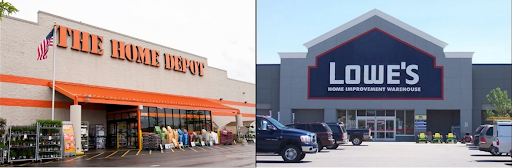
Getting your product into Home Depot or Lowe’s can be a significant growth opportunity for product manufacturers and brands in the hardware, home improvement, building products, lawn and garden, outdoor, and related categories. Selling through these major home improvement retailers can give your brand access to a large customer base, increased retail visibility, and the potential for significant sales volume and long-term retail growth.
However, getting your product approved by Home Depot or Lowe’s is highly competitive. Having a great product is only the starting point. Retail buyers want to see that your brand is retail-ready, your pricing and margins are competitive, your packaging clearly communicates the product’s value, and your company has the inventory, fulfillment, marketing, and operational capabilities to support a major retail program. You also need a compelling buyer presentation and a clear reason why your product deserves a place in the retailer’s assortment.
In this 2026 vendor guide, we’ll walk you through the key steps for getting your product into Home Depot or Lowe’s—from determining whether your product is a good fit and preparing your brand for retail to identifying the right buyer, developing your pitch, navigating the vendor process, and positioning your product for long-term success. Or listen to our latest podcast on this very subject.
1. Research the Market and Your Competition
Before pitching your product, take the time to research the market and the retailer’s existing product assortment. Browse Home Depot’s and Lowe’s websites and store aisles to see what’s already being sold.
Ask yourself:
- Does your product fill a gap in their current selection?
- What brands are your main competitors?
- How does your product offer a unique benefit or solve a problem better than others?
Understanding the market landscape and retailer needs will help you tailor your pitch and position your product as a valuable addition to their lineup.
2. Understand Home Depot and Lowe’s Buyer Requirements
Each retailer has specific product submission requirements and compliance standards—including packaging, pricing, quality, safety certifications, and logistics.
Home Depot and Lowe’s buyers are data-driven and expect proof of product-market fit. Before reaching out:
- Ensure your product meets their packaging and labeling standards.
- Confirm your pricing structure leaves enough margin for the retailer.
- Prepare your sales data, customer reviews, and marketing materials to demonstrate demand.
Meeting these requirements upfront saves time and shows buyers that you’re prepared to operate at their level.
The Home Depot Supplier Hub
How to become a Home Depot Supplier
If you believe your product is a good fit for The Home Depot, the first step is to review the retailer’s prospective supplier information and submit your product through its New Product Submission portal. Before applying, make sure you have your company and product information ready, including your Tax ID, DUNS number, legal business information, product descriptions, pricing, unit costs, logistics capabilities, and other relevant product details.
Once your submission is complete, the Home Depot Merchant Team will review your application. According to The Home Depot, this review process can take up to 60 days. If your company and product are approved to move forward, you will receive a registration key that allows you to begin the supplier onboarding process through The Home Depot’s supplier portal.
Before submitting, we recommend making sure your product is truly retail-ready. A strong product submission should clearly communicate your product’s value proposition, retail price and margins, sales history, competitive advantages, packaging, and ability to support The Home Depot’s inventory and fulfillment requirements.
Lowe’s Vendor Gateway
How to Become a Lowe’s Supplier
If you want to sell your product through Lowe’s, the Lowe’s Vendor Gateway (LVG) is the starting point for the supplier onboarding process. The Vendor Gateway serves as a centralized platform for prospective and existing suppliers, providing a single entry point for important vendor and supply-chain integration activities. It also serves as a central hub for managing item information as you move through the Lowe’s vendor process.
Before approaching Lowe’s, make sure your company and product information is organized and ready for submission. This includes your legal and business information, product specifications, pricing and costs, logistics and fulfillment capabilities, and other information Lowe’s may require during the onboarding process. Keep in mind that registering through the Vendor Gateway does not guarantee that Lowe’s will approve or purchase your product—the product still needs to meet the retailer’s assortment needs and buyer requirements.
For emerging brands, the goal should be to approach Lowe’s with more than simply a product submission. Having a compelling retail presentation, competitive pricing and margins, proven sales, retail-ready packaging, reliable inventory, and a clear explanation of why your product belongs in the Lowe’s assortment can help you make a stronger case to the appropriate merchant or buyer.
3. Craft a Compelling Product Pitch
When you finally connect with a buyer, you’ll have a limited window to grab their attention—so your product pitch must be clear, concise, and persuasive.
Focus on:
- The unique value proposition (what makes your product different).
- How your product drives incremental sales or attracts new customers.
- Evidence of strong consumer demand—such as online reviews, media coverage, or social proof.
Back your claims with data and visuals—including sell-through rates, testimonials, or demo videos. A polished, professional pitch deck can make a strong impression.
4. Build and Nurture Buyer Relationships
Securing shelf space at Home Depot or Lowe’s often comes down to relationships and timing.
Buyers are constantly approached by hundreds of brands, so standing out means building trust over time. Attend industry trade shows, hardware expos, and networking events where retail buyers are present. Introduce yourself, listen to their needs, and follow up respectfully after the event.
You can also reach out through email or LinkedIn, but always be professional, concise, and patient. Building credibility takes time, but these relationships are crucial for long-term retail success.
5. Explore Multiple Distribution Channels
While your ultimate goal may be getting your product on the shelves, consider starting with online listings on HomeDepot.com or Lowes.com. Selling online first allows you to prove sales performance and gather consumer data that strengthens your future pitch for in-store placement.
You can also partner with distributors or sales reps who already have existing relationships with these retailers. This can help you navigate the process more efficiently and avoid common pitfalls.
6. Stay Persistent and Keep Refining Your Strategy
Getting your product into Home Depot or Lowe’s doesn’t happen overnight. You may face rejections or delays along the way—but persistence and preparation are key.
Continue refining your pitch, strengthening your data, and seeking feedback from buyers or industry mentors. Every interaction is a chance to improve your positioning.
Remember: many successful brands faced multiple rejections before finally landing their first big-box retail deal.
Conclusion
Securing a spot on the shelves of Home Depot or Lowe’s can dramatically increase your brand’s visibility, credibility, and revenue potential. However, success requires thorough research, compliance readiness, strong relationships, and persistence.
If you’re serious about expanding into big-box retail but aren’t sure where to start, Retailbound can help.
Since 2008, our team of former retail buyers and channel experts has helped countless product brands launch, scale, and manage retail programs across more than 150+ major retailers in the U.S. and Canada.
If you’re ready to bring your product into major retailers but need help navigating the process, Retailbound can guide you every step of the way. Schedule a free consultation with one of our retail experts and discover how to get your product retail-ready, connect with the right buyers, and drive long-term retail growth.
About the Author
Yohan Jacob is the President and Founder of Retailbound, a full-service retail channel management agency that helps product brands launch and grow in major retailers across North America. With over 25 years of retail experience, Yohan and his team specialize in retail strategy, buyer engagement, channel marketing, and sales management to help brands increase their retail presence both in-store and online.