For innovative consumer product brands looking to expand beyond traditional retail channels, military exchanges can be an attractive and often overlooked sales opportunity. The Army & Air Force Exchange Service (AAFES) is one of the largest military retail organizations in the world, serving millions of active-duty service members, veterans, retirees, and military families through stores and online channels worldwide.
Getting your product into AAFES and other military exchanges can give your brand access to a highly targeted and loyal customer base while creating opportunities to sell across military installations in the U.S. and abroad. However, selling through military retail is different from selling to major civilian retailers such as Walmart, Target, Costco, or Kroger. Brands need to understand the military exchange structure, vendor requirements, buyer expectations, and purchasing process before approaching a buyer.
In this 2026 vendor guide, we’ll explain how AAFES and military exchanges work, what buyers look for, and the key steps product manufacturers should take to become an approved vendor and get their products on military retail shelves and online. Or, listen to our latest podcast on this very subject.
What Is AAFES?
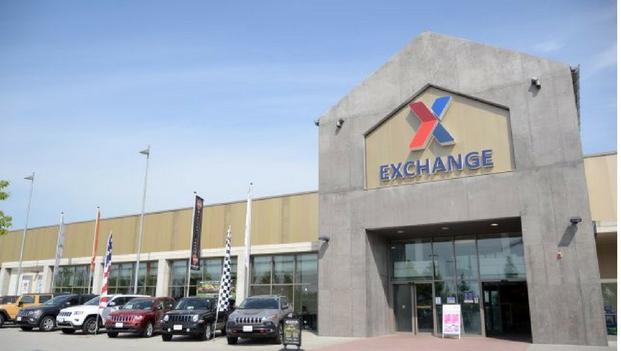
The Army & Air Force Exchange Service (AAFES) is a Department of Defense retail organization that operates stores and e-commerce platforms serving military communities around the world.
Unlike traditional retailers that focus solely on profit, AAFES has a mission-driven purpose. Revenue generated by AAFES helps fund military Morale, Welfare, and Recreation (MWR) programs that support service members and their families.
AAFES Retail Footprint
AAFES operates more than 4,900 locations in over 30 countries, including:
- PX (Post Exchange) stores
- BX (Base Exchange) stores
- Convenience and fuel locations
- Specialty retail stores
- Military apparel and uniform stores
- Food and service concepts
- ShopMyExchange.com, AAFES’ global e-commerce platform
Who Shops at AAFES?
AAFES serves a highly engaged customer base that includes:
- Active-duty military personnel
- National Guard members
- Reserve personnel
- Military retirees
- Veterans
- Military spouses and families
Military consumers often prioritize value, durability, convenience, and trusted brands. Once they find products they like, they tend to be highly loyal customers.
Is Your Product a Good Fit for AAFES?
Before approaching military retail buyers, evaluate whether your product aligns with the needs of military shoppers and AAFES merchandising goals.
1. Deliver Strong Value
Products that perform well in military retail typically offer:
- Competitive pricing
- Exceptional quality
- Durability and reliability
- Everyday utility
- Strong consumer demand
2. Solve a Problem or Fill a Market Gap
Visit ShopMyExchange.com and review products currently offered in your category.
Ask yourself:
- Does your product offer a unique feature?
- Does it solve a consumer problem better than competitors?
- Is there a gap in the current assortment?
- Can you provide stronger margins or pricing?
A compelling value proposition is often the key to securing buyer interest.
How to Become an AAFES Vendor
Step 1: Register Through the AAFES Vendor Portal
All prospective suppliers must begin by registering through the official AAFES vendor application system.
During registration, you’ll typically submit:
- Company information
- Product details
- Product catalog
- Sales and distribution information
- Contact information
This serves as the initial introduction between your company and the AAFES buying team.
Step 2: Complete the Vendor Consideration Process
AAFES buyers require detailed product information before evaluating a new vendor.
Be prepared to provide:
- Wholesale pricing
- Suggested retail pricing (MSRP)
- UPC codes
- Product specifications
- Case pack information
- Shipping dimensions
- Country of origin
- Product images
Pro Tip: Accuracy is critical. Incorrect data can delay the review process and create compliance issues later.
Step 3: Buyer Evaluation
Once submitted, your information is reviewed by the appropriate category buyer.
Buyers evaluate:
- Consumer demand
- Product uniqueness
- Competitive landscape
- Margin opportunities
- Category fit
- Supply chain capabilities
Keep in mind that military retail review cycles can be slower than traditional retail channels, so patience and persistence are important.
AAFES Compliance Requirements
Military retail vendors must meet strict operational and compliance standards.
Berry Amendment and Trade Compliance
Depending on the product category, certain goods may be subject to:
- Berry Amendment requirements
- Trade Agreements Act (TAA) regulations
- Country-of-origin restrictions
Understanding these requirements early can help avoid costly delays.
Packaging and Labeling Standards
AAFES products often travel through complex domestic and international supply chains.
Your packaging should:
- Withstand extended shipping conditions
- Meet all regulatory requirements
- Include proper UPC barcodes
- Follow AAFES shipping guidelines
Electronic Data Interchange (EDI)
AAFES requires suppliers to support Electronic Data Interchange (EDI) for:
- Purchase orders
- Invoices
- Advanced shipping notices
- Order tracking
If your company does not currently support EDI, you may need to work with a third-party EDI provider.
Building Relationships Within Military Retail
While the vendor application process is important, relationships often play a major role in long-term success.
Attend Military Retail Trade Shows
Industry events such as those hosted by military retail organizations provide opportunities to:
- Meet category buyers
- Showcase products
- Learn about upcoming initiatives
- Build credibility within the military retail community
Face-to-face interactions can help accelerate the buying process.
Partner With a Military Retail Expert
Many brands choose to work with retail consulting firms, brokers, or agencies that understand military retail.
Experienced partners can help:
- Position your product effectively
- Navigate AAFES requirements
- Connect with the right buyers
- Develop a military retail strategy
How to Increase Sales Once You’re Accepted
Getting approved is only the first step. Long-term success depends on driving strong sell-through.
Invest in In-Store Promotions
Work with buyers to secure merchandising opportunities such as:
- End-cap displays
- Seasonal promotions
- Feature placements
- Special military-themed events
Promotional calendars are often planned months in advance, so early planning is essential.
Optimize Your Online Listings
AAFES’ e-commerce platform continues to grow and can provide significant sales opportunities.
Improve online performance by focusing on:
- SEO-friendly product titles
- Keyword-rich product descriptions
- High-quality images
- Competitive pricing
- Positive customer reviews
Connect Authentically With Military Consumers
Military shoppers appreciate brands that genuinely support the military community.
Consider:
- Military appreciation initiatives
- Partnerships with veteran organizations
- Military family support programs
- Authentic brand storytelling
Avoid marketing tactics that appear opportunistic or insincere.
Common Mistakes Brands Make When Selling to AAFES
Even great products can struggle if execution is poor.
Weak Logistics
Late shipments, inventory shortages, and damaged products can quickly damage supplier relationships.
Uncompetitive Pricing
AAFES customers expect strong value. Pricing that is significantly higher than competing channels may limit sales.
Ignoring Compliance Requirements
Failure to meet labeling, EDI, shipping, or sourcing requirements can delay product launches and create unnecessary costs.
Expecting Immediate Results
Military retail often operates on longer planning cycles than traditional retail. Brands that remain patient and committed are typically better positioned for long-term success.
Final Thoughts
AAFES offers product manufacturers access to one of the most loyal consumer audiences in the world. With thousands of retail locations, a growing e-commerce platform, and a global military customer base, military retail can become a valuable channel for long-term growth.
Success requires more than simply submitting a product for consideration. Brands must demonstrate strong product-market fit, maintain operational excellence, meet compliance requirements, and build meaningful relationships within the military retail ecosystem.
For brands that are prepared to invest in the process, selling through AAFES can provide a powerful opportunity to expand distribution, increase brand awareness, and generate sustainable retail growth.
Ready to Launch in Military Retail?
If you’re looking to expand into AAFES or other military retail channels, working with an experienced partner can significantly improve your chances of success.
If you’re ready to bring your product into major retailers but need help navigating the process, Retailbound can guide you every step of the way. Schedule a free consultation with one of our retail experts and discover how to get your product retail-ready, connect with the right buyers, and drive long-term retail growth.
About the Author
Yohan Jacob is the President and Founder of Retailbound, a retail channel management consultancy that helps brands launch and scale across 150+ retailers in the U.S. and Canada. Retailbound specializes in retail strategy, buyer engagement, sales execution, and omnichannel growth for both emerging and established product brands.