The retail landscape is undergoing a massive transformation. With the rapid rise of e-commerce, brick-and-mortar stores are redefining their roles to stay relevant in a digital-first world. By 2026, the future of physical retail will depend on how well it blends in-store experiences with digital innovation while maintaining the human connection shoppers still value.
In this post, we’ll explore:
- The current retail landscape
- Key retail trends shaping 2026
- Case studies of successful retailers
- Actionable strategies for product manufacturers looking to thrive in physical retail
By the end, you’ll have a clearer understanding of where retail is heading and how to position your brand for success in the years ahead. Or, listen to our latest podcast on this very subject.
Key Takeaways
- The debate has moved on. The question is no longer whether physical stores survive, it is what they are for.
- Stores are increasingly both a selling floor and a fulfillment point, and that changes what a retailer asks of a supplier.
- Shoppers now move between online and in store within a single purchase, so a brand’s product data and its packaging have to work in both.
- A recovering store network means more shelf to compete for and more appetite for new assortments, which is good news for brands with something to prove.
- Products that need to be demonstrated or explained benefit most from the shift toward in-store experience.
- A trend that changes store operations is not automatically a trend that changes what a supplier has to do.
Want Help Getting Your Product into retailers like Best Buy, Costco, Home Depot, Target, Walmart and others?
Talk with a retail expert about your product and retail strategy.
The Current Retail Landscape
The Rise of E-Commerce
E-commerce continues to reshape how consumers shop. With convenience, speed, and endless variety, online sales now account for a growing share of total retail revenue. For product manufacturers, this shift means embracing omnichannel distribution strategies that balance both online and offline channels.
Online and in store are no longer separate decisions for a shopper, so they should stop being separate decisions for a brand. The same person will check a price on their phone while standing in the aisle. Anything that is inconsistent between your listing and your packaging is visible to them at the moment of purchase.
The Enduring Role of Brick-and-Mortar Stores
Despite online growth, brick-and-mortar stores remain essential. They offer sensory experiences, immediate product access, and face-to-face customer service—things digital platforms can’t replicate. Today, many retailers use their stores as experience centers, pickup hubs, and return locations, blending convenience with engagement.
What the Store Does Better, and What Online Still Does Better
| Physical store | Online | |
| Judging fit, feel and scale | Strong | Weak |
| Immediate need | Strong | Weak |
| Unplanned discovery | Strong | Mixed, driven by recommendation |
| Range depth | Limited by space | Effectively unlimited |
| Price comparison | Weak | Strong |
| Repeat and replenishment | Convenient but optional | Strong |
| Advice and returns together | Strong | Fragmented |
Where Physical Retail Still Beats Online, and Where it Does Not
Readers arrive at this topic with a binary question: are stores finished or not? The honest answer is that stores and online each win decisively at different things, and knowing which applies to your product is more useful than any forecast.
What a store does that a website cannot:
- Let a shopper judge fit, feel, weight, scale and build quality directly, which no photograph resolves.
- Deliver immediately, with no waiting and no delivery risk.
- Produce discovery. Shoppers buy things in stores they were not looking for, which is the single most valuable thing a store offers a new brand.
- Handle advice, setup questions and returns in one place, with a person.
- Reduce the perceived risk of buying from a brand nobody has heard of.
What online still wins outright:
- Range depth. No store can carry what a website can list.
- Price comparison, which is effortless online and awkward in an aisle.
- Repeat and replenishment purchases, where the shopper already knows exactly what they want.
- Anything bought on specification, where the decision is made from data rather than from handling.
- Convenience for bulky, heavy or routine items.
The implication for a brand is the part worth acting on. If your product has to be understood, handled or compared physically to be chosen, a store is where it gets chosen, and physical retail should be your priority channel. That includes anything where size, texture, weight or build quality matter, anything a shopper has not encountered before, and anything a person has to explain.
If your product is bought on specification and repurchased routinely, you may not need a shelf at all, or you may need one only long enough to establish the brand before demand moves online. That is a legitimate strategy and it is cheaper than the alternative. Be honest with yourself about which one you are, because chasing shelf space for a product that does not need it is an expensive way to learn.
Challenges for Physical Retail
Traditional stores face high operational costs, inventory pressures, and the constant need to innovate. Yet, these challenges also present opportunities. Manufacturers who partner with retailers to create efficient, engaging in-store experiences can stand out and win long-term customers.
The Store Comeback and What it Changes for Brands
The story has changed, and it is worth updating your mental model before you plan around it. Physical retail is not a channel in retreat being propped up by technology. It is a channel that has worked out what it is uniquely good at, and is investing in it. Stores are being opened as well as closed, retailers are treating the store as an asset rather than a cost, and the business press has spent the past year documenting the recovery rather than the decline.
For a brand trying to get on a shelf, that shift has specific consequences.
There is more shelf to compete for, and more appetite for new assortments. A retailer opening stores, refreshing formats and trying to give shoppers a reason to visit needs products that are not already everywhere. That is a better environment for a new brand than a contracting one, and it is the opposite of what most founders assume.
Stores are fulfillment points as well as selling floors, which changes what a supplier has to supply. If a store is picking online orders from the same stock that sits on the shelf, your packaging has to survive being handled, picked and shipped, your product data has to be good enough for the website, and your imagery has to meet the retailer’s online standards. A pack designed only for a shelf is now only doing half the job.
Experience is the differentiator, which favors products that demonstrate. If the reason to visit a store is to see, touch, try and be advised, then products that benefit from being handled or explained get more attention than they did when the store was primarily a place to pick something up. If your product is hard to sell in a photograph, this works in your favor.
Staff and service are back in the argument, which raises the value of training material. Retailers investing in advice and expertise need staff who know what they are selling. A brand that supplies a genuinely usable one-page briefing and a demo unit is helping with something the retailer is actively trying to fix.
Assortment decisions are more data-led, not less. A recovering store network does not mean easier decisions. It means a buyer with more space and better information, who will still want evidence that your product turns.
The practical instruction: stop pitching as though you are asking for space in a dying channel, and start pitching as though you are offering something to a channel that is investing. Those are different conversations.
Retail Trends and Technologies Shaping 2026
1. Enhancing the In-Store Experience
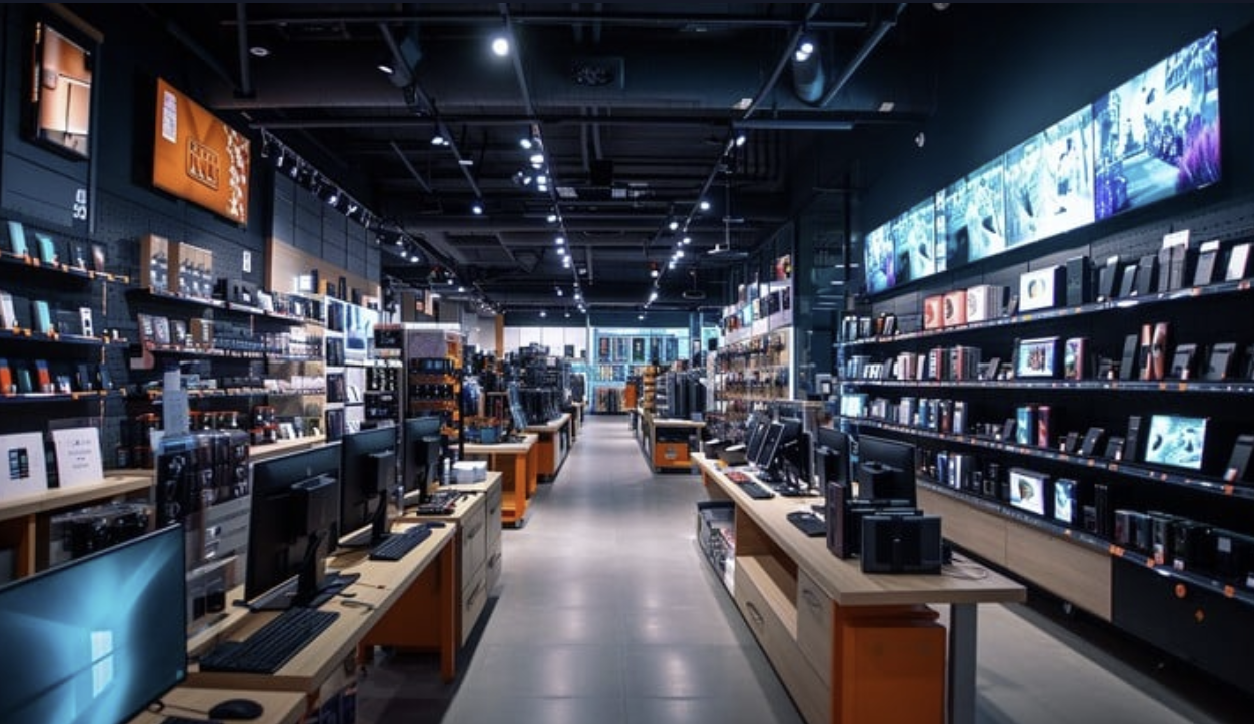
By 2026, in-store engagement will be a key differentiator. Retailers are using interactive displays, AR/VR tools, and experiential showrooms to help shoppers visualize and connect with products. These immersive experiences turn visits into events—boosting both loyalty and conversion rates.
2. Personalization Through Data and Insights
Modern consumers expect personalized shopping experiences. With the help of AI and data analytics, retailers can better understand customer preferences and deliver tailored recommendations. For manufacturers, this means developing products that align with data-driven insights and collaborating with retailers to enhance personalization.
3. Smart Retail Technology
Technology integration is revolutionizing physical retail. Tools like smart shelves, RFID tracking, digital price tags, and cashier-less checkout systems are making shopping faster and more efficient. Manufacturers that align their products with these innovations can meet the expectations of tech-savvy shoppers and retail partners alike.
How to Read a Retail Trend Report as a Supplier
You have probably read a trend report before landing here. Here is how to convert one into something you can act on, rather than a general sense of unease.
Most retail trends do not concern suppliers at all. A trend about store operations, labor, real estate or checkout technology is a retailer’s problem, however much coverage it gets. The ones that reach you always arrive the same way: as a new question in a buyer meeting, or as a new line in a vendor requirement document. If a trend has not produced either of those, it has not reached you yet.
So apply three tests to anything you read.
- Does it change what a buyer will ask me for? New data, new documentation, new commitments, new evidence. If yes, prepare the answer now.
- Does it change what my product has to do, on a shelf or in a box? New packaging requirements, new labeling, new formats, new handling. If yes, it has a cost and a lead time, so start early.
- Does it change who I am competing with for that space? Private label expansion, category redefinition, a new adjacent product type. If yes, your pitch needs a different argument.
A trend that fails all three can be safely ignored by you, whatever it means for the industry.
And a practical shortcut: ask your buyer. “What are you being asked to do differently this year?” is a question buyers answer readily, and the answer is more accurate, more current and more specific to your account than any published forecast.
Case Studies: Retailers Leading the Brick-and-Mortar Revolution
Walmart: Technology-Driven Transformation
Walmart continues to invest in digital tools to enhance the in-store experience. From mobile apps and digital payment options to a seamless online-to-offline shopping journey, Walmart has proven that physical retail can thrive when paired with innovation.
Best Buy: The Tech-Centric Retailer
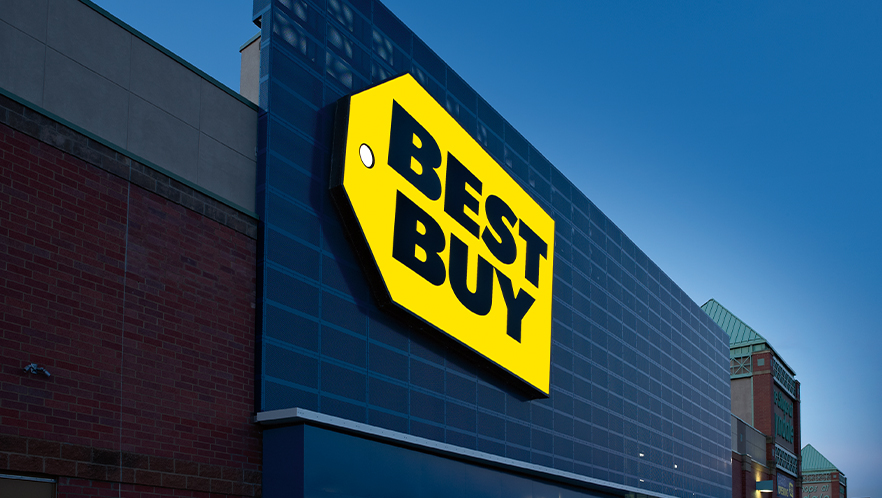
Best Buy has embraced its tech roots by offering personalized in-store consultations and tech workshops. This approach positions the brand as more than a store—it’s a destination for expertise and community, driving both sales and loyalty.
Target: Omnichannel at Its Best
Target’s omnichannel strategy connects its physical and online stores with services like curbside pickup and same-day delivery. This flexibility enhances customer convenience and keeps Target competitive in both the physical and digital arenas.
What a Recovering Store Network Means for Shelf Space
Everything written about the state of physical retail is written for retailers, about their own stores. The question this article exists to answer is different: if retailers are investing in their stores, what does a brand have to do differently to get and keep space in them?
The short answer is that the requirements on a supplier have moved, and they have moved in the direction of more work.
Product data. When the store and the website share an assortment, your product record has to serve both. That means complete, accurate attributes, dimensions, weights, imagery at the retailer’s standard, ingredient or material information and category-specific fields. Incomplete data used to delay a shelf date. Now it can prevent a listing from being sellable online at all, which halves its performance before it starts.
Packaging. It has to sell from a shelf, survive a pallet and a stockroom, and also survive being picked and shipped directly from a store to a customer. Those are three different jobs and the third one is new for most suppliers.
A reason to occupy space in an experience-led store. A facing that simply holds product is worth less to a retailer than one that gives a shopper something to do, see or understand. A demo unit, a tester, a clear product story on the pack, a display that explains rather than just stacks, all of these now count for more than they did.
Evidence from their data, not your deck. Retailers have better visibility into their own performance than ever. Your forecast is an opinion. Your rate of sale in a comparable retailer is evidence. Bring the second one.
Support for staff who are now expected to advise. A one-page briefing, a sample they can handle, and answers to the two questions shoppers actually ask. Cheap to produce, and directly aligned with what the retailer is investing in.
Compare the two eras honestly:
- Then: packaging for the shelf. Now: packaging for the shelf, the stockroom and a shipped online order.
- Then: a spec sheet. Now: a full product data record serving store and site.
- Then: a facing. Now: a facing that contributes to why someone visited.
- Then: a sales forecast. Now: a demonstrated rate of sale.
- Then: staff who scan it. Now: staff expected to recommend it.
None of this is harder in principle. It is more work up front, and the brands that do it are competing against brands that have not noticed the requirements changed.
What a Retailer’s Investment Changes for a Supplier
| What the retailer is doing | What the buyer starts asking for | What you should prepare |
| Using stores to fulfill online orders | Packaging that survives shipping | A pack tested for both shelf and parcel |
| Running one assortment across store and site | Complete, accurate product data | Copy, imagery and attributes ready to hand over |
| Investing in in-store experience | Products that demonstrate or need explaining | A demo, a fixture idea, staff-facing material |
| Leaning on its own shopper data | Evidence in their terms, not yours | Rate of sale from comparable physical retail |
Strategies for Product Manufacturers
1. Innovate to Meet Consumer Demand
To succeed in retail, manufacturers must continuously innovate. By tracking consumer trends and adapting designs accordingly, you can create products that resonate in today’s dynamic retail environment.
Pro Tip: Design your packaging so it survives being picked for an online order as well as sitting on a shelf. Stores increasingly fulfill ecommerce from the same stock, which means your box may be handled, boxed again and shipped rather than carried out in a bag. A pack that only works on a shelf creates damage claims that come back to you.
2. Build Strategic Retail Partnerships
Strong collaboration with major retailers like Walmart, Target, or Best Buy is critical. Through co-marketing efforts, exclusive launches, and data-sharing partnerships, manufacturers can tap into established distribution networks and boost brand visibility.
Pro Tip: Ask your buyer which of their strategic priorities your product helps with, then say your pitch back in those words. Retailers publish what they are investing in and buyers are measured against it. A supplier who frames a product as supporting a priority the buyer already has to deliver is a far easier yes than one who arrives with an unrelated good idea.
3. Leverage Data for Smarter Decisions
Use data analytics to refine your retail strategy. By studying market trends, consumer feedback, and sales data, you can optimize product offerings, forecast demand, and create more effective marketing campaigns.
Pro Tip: Ask for the retailer’s own data on your category and your product, and ask early. Most suppliers argue from their own numbers while the buyer is looking at a different set entirely. Working from the same data as the person deciding is worth more than any argument you can build from your own.
The Future of Brick-and-Mortar Retail
A Seamless, Connected Shopping Journey
The future of physical retail is hybrid. By 2026, customers will move fluidly between online and offline shopping — researching products online, trying them in-store, and completing purchases however they prefer. Retailers that deliver this unified experience will dominate.
Pro Tip: Check what your product looks like on the retailer’s own website, not just on yours. Shoppers routinely research on the retailer’s site and buy in the store, so a thin product page on their domain costs you sales you will never see attributed. Send the retailer better copy and imagery without being asked for it.
Opportunities for Growth
The next few years will present major opportunities for both retailers and product manufacturers. Businesses that embrace technology, data, and collaboration can create an ecosystem that meets evolving consumer expectations while fueling innovation and growth.
Conclusion: Preparing for the Next Era of Retail
The retail world is changing fast — and adaptation is key. For product manufacturers, now is the time to partner with major retailers, invest in technology-driven innovation, and align your brand with emerging shopping behaviors.
The future of brick-and-mortar retail lies in agility, creativity, and collaboration. By prioritizing customer experiences, data-driven strategies, and strong retail relationships, your brand can thrive in the evolving retail landscape of 2026 and beyond.
Ready to Launch Your Brand in Retail?
If you’re ready to bring your product into major retailers but need help navigating the process, Retailbound can guide you every step of the way. Schedule a free consultation with one of our retail experts and discover how to get your product retail-ready, connect with the right buyers, and drive long-term retail growth.
Frequently Asked Questions
What is the future of brick-and-mortar retail?
Physical stores are settling into what they do better than a website: letting shoppers judge a product in person, serving immediate need, creating discovery, and handling advice and returns in one place. At the same time many are doubling as fulfillment points for online orders. For a supplier, that means the store and the site increasingly share one assortment and one set of requirements.
Will brick-and-mortar stores become obsolete?
No, though individual formats and categories will keep contracting. The categories most exposed are the ones bought on specification and repeat, where a shopper gains nothing from being present. The ones least exposed involve fit, feel, immediacy or advice. For a brand the practical question is which of those describes your product, because it decides whether shelf space is worth pursuing at all.
Are any brick-and-mortar stores doing well?
Yes, and the business press has spent 2026 documenting it. Harvard Business Review and Forbes have both covered the physical store’s comeback this year. What that means for a supplier is more shelf to compete for and more willingness to test new assortments than there was during the years of closures.
Are brick and mortar stores making a comeback?
The evidence on this question has shifted noticeably. The useful version for a brand is narrower: is the retailer you are targeting opening, holding or closing stores, and is it expanding or shrinking the section you want to be in. Those two answers matter far more to your pitch than the direction of the industry as a whole.
What are the key retail trends expected in 2026?
The ones that reach suppliers are stores doubling as fulfillment points, a single assortment shared between store and site, investment in in-store experience, and buyers relying on their own shopper data rather than a supplier’s. A trend that only changes store operations does not necessarily change anything for a brand, and it is worth testing every trend against that before acting on it.
About the Author
Yohan Jacob is the President and Founder of Retailbound, a leading retail channel management consultancy. Retailbound helps brands bridge the gap between product creation and retail success—offering services in retail strategy, buyer engagement, sales management, and channel marketing. Whether you’re a startup or an established brand, Retailbound provides the expertise and guidance you need to increase your retail presence and drive sustainable growth.