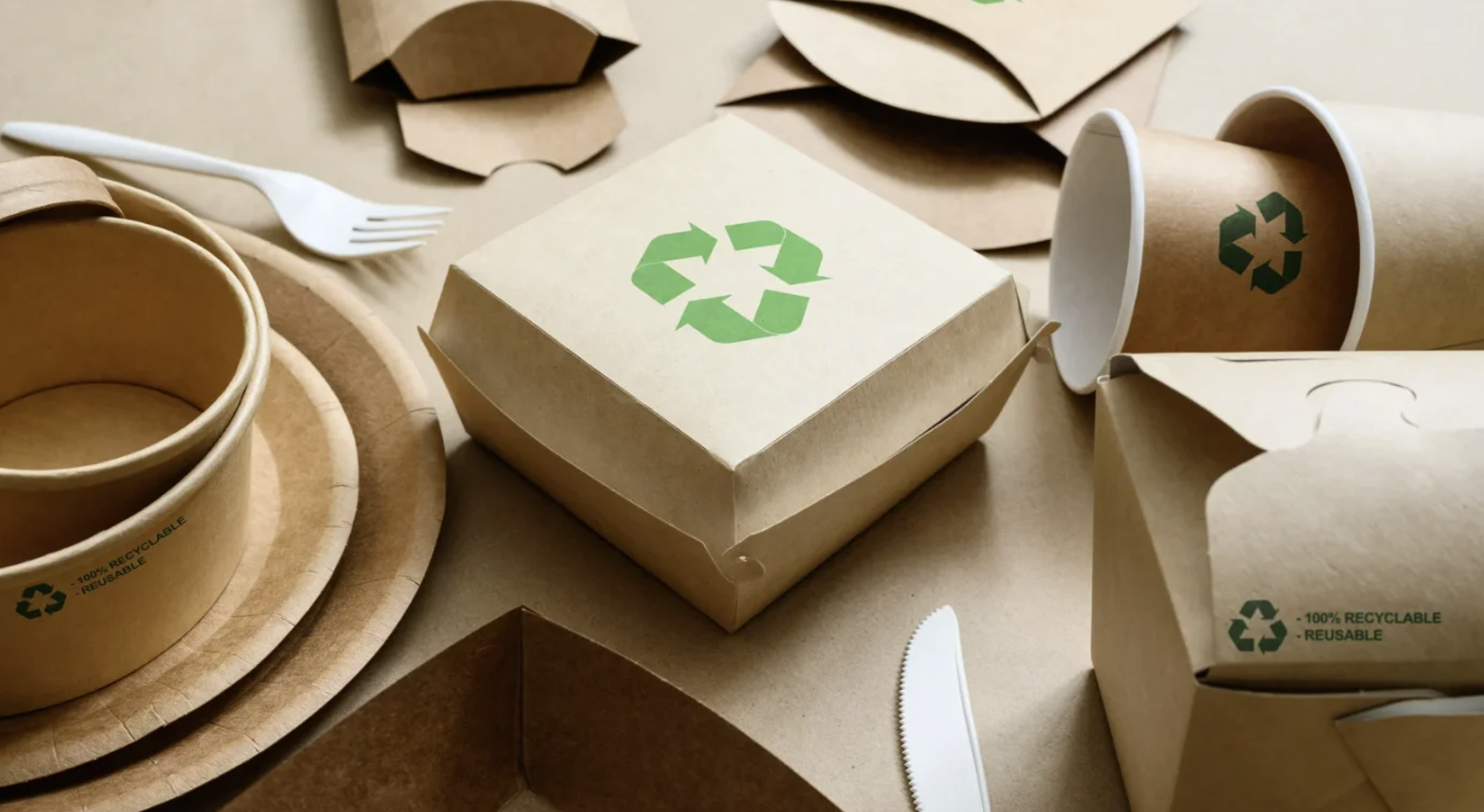
Recycled packaging has become a major selling point for modern brands. As consumers demand more eco-friendly products and retailers push for sustainable supply chain practices, manufacturers are shifting toward recycled materials to stay competitive.
But while recycled packaging offers undeniable environmental benefits—reduced waste, lower carbon emissions, resource conservation—it also comes with a set of hidden costs that can affect profitability, operations, and retail readiness.
For product startups, especially those preparing for big-box retail programs, understanding these hidden costs is critical. Retailers expect reliable packaging quality, consistent supply, and strict compliance with sustainability claims. Overlooking these challenges can lead to delays, margin erosion, and strained retail relationships.
Below are the top financial and operational costs every brand should evaluate before transitioning to recycled packaging.
1. The Direct Costs of Using Recycled Packaging
Higher Material Sourcing Costs
- Limited availability of recycled materials
- Price fluctuations driven by global demand
- Additional processing, sorting, and quality checks
Recycled materials—especially rPET—are often more expensive than virgin plastics. Demand continues to grow, but supply remains limited. Plastics Europe reported global demand for recycled plastics at over 27.1 million metric tons, intensifying competition and driving up prices.
For startups selling to retailers, this means packaging costs may not remain stable year-round, impacting margins and retail pricing strategies.
Increased Production and Manufacturing Costs
- Machineries require recalibration for recycled materials
- Higher energy consumption
- More wear and tear on equipment
- Greater defect rates
Recycled materials often perform differently than virgin materials, requiring machine adjustments and more energy during production. Variations in material consistency can increase defects, slow down production, and shorten equipment lifespan.
With 50% of global plastic production occurring in Asia, inconsistencies in market supply can make quality control even more difficult—especially for startups working with overseas contract manufacturers.
2. The Indirect & Hidden Costs You Can’t Ignore
Quality and Performance Issues
- Variability in color, strength, and durability
- Increased likelihood of packaging failures
- Higher return rates
Recycled materials sometimes have lower tensile strength or irregular coloring. In retail, packaging quality directly impacts shelf appeal and customer satisfaction. Packaging failures can lead to product returns, chargebacks, or negative reviews, all of which hurt a brand’s retail performance.
For startups, this can jeopardize buyer confidence—the last thing you want during your first retail launch.
Supply Chain & Logistics Challenges
- Unpredictable material availability
- Longer lead times
- More complex storage needs
- Increased likelihood of production delays
Only 20.9% of PET plastics are reprocessed globally, making supply inconsistent. Delays in collection, cleaning, and processing ripple into production delays.
For brands preparing for retail purchase orders—especially seasonal ones—unpredictable resin availability can cause missed deadlines and jeopardize vendor relationships.
Compliance & Certification Costs
- Sustainability certifications
- Compliance testing
- Audit expenses
Retailers increasingly demand verifiable sustainability data. Certifications such as Cradle to Cradle, FSC, and regional packaging regulations require:
- Documentation
- Safety testing
- Material analysis
- Third-party audits
These costs add up—and failing compliance can lead to rejected shipments or retailer penalties.
3. Environmental & Marketing Trade-offs
Greenwashing Risks
- Reputational damage
- Lost consumer trust
- Regulatory penalties
Claiming sustainability without third-party verification is no longer acceptable. Consumers, competitors, regulators, and retailers are all scrutinizing environmental claims more closely.
Startups must ensure that their recycled-content claims are transparent, supported by data, and compliant with FTC Green Guides and retailer requirements.
The Challenge of Recycling Complex Packaging
- Multi-layer packaging is harder to recycle
- Higher long-term environmental impact
- Misalignment with customer expectations
Even packaging made from recycled material may not be recyclable again—especially if it contains laminates, foils, or adhesives.
Retail buyers prefer packaging that reduces overall waste. Using complex recycled packaging may meet marketing goals but still create environmental burdens, confusing consumers and damaging brand trust.
4. Mitigating the Hidden Costs of Recycled Packaging
Balance Sustainability With Profitability
Long-term sustainability planning helps reduce operational costs over time. Eco-friendly packaging can also increase consumer willingness to pay—and give your startup an edge when pitching to retailers.
Partner With Experienced Suppliers
Working with skilled packaging engineers and suppliers reduces:
- Quality issues
- Supply chain disruptions
- Price volatility
Suppliers who understand recycled materials can ensure consistency, reduce defect rates, and help brands maintain compliance with retailer and regulatory requirements.
5. The Future of Recycled Packaging in Retail
While recycled packaging often costs more upfront, the long-term benefits—compliance, brand loyalty, retailer preference, and environmental impact—make it a necessary investment.
Retailers across North America and Europe are already setting recycled-content mandates. Companies that delay adopting sustainable packaging may face higher penalties, tighter margins, and limited retail opportunities in the future.
Brands that understand the hidden costs, partner with the right suppliers, and align packaging with retailer expectations will be better positioned to win shelf space and scale profitably.
FAQ: Hidden Costs Behind Recycled Packaging
1. Why is recycled packaging more expensive?
Because recycled materials have limited availability, require more processing, and experience higher demand—especially from industries like fashion, electronics, and consumer goods.
2. What are the indirect costs of using recycled materials?
Indirect costs include supply chain unpredictability, inconsistent material quality, production delays, higher defect rates, and certification expenses.
3. How can companies reduce the cost of recycled packaging?
Partnering with experienced suppliers, improving supply chain planning, and using sustainable packaging as a long-term branding strategy can offset higher initial costs.
4. What are the risks of greenwashing?
Misleading sustainability claims can lead to reputational harm, loss of customer trust, retailer penalties, and regulatory action.
5. Are complex packaging materials harder to recycle?
Yes. Multi-layer or laminated materials are often difficult or impossible to recycle, leading to higher waste and disposal costs.
6. How does recycled packaging affect brand perception?
Transparent, verifiable use of recycled materials improves brand trust. However, unverifiable claims can backfire and cause customer or retailer backlash.
7. Is recycled packaging necessary for future retail success?
Absolutely. Retailers increasingly require sustainable packaging, and brands that delay risk falling behind competitors and missing retail opportunities.
If you’re ready to bring your product into major retailers but need help navigating the process, Retailbound can guide you every step of the way. Schedule a free consultation with one of our retail experts and discover how to get your product retail-ready, connect with the right buyers, and drive long-term retail growth.