Hybrid shopping is transforming the way consumers interact with brands and purchase products, paving the way for a new era of retail. For product manufacturers, understanding this emerging trend isn’t just important—it’s crucial for staying competitive in an increasingly dynamic marketplace.
This blog explores the concept of hybrid shopping, why it’s reshaping consumer behavior, and how manufacturers can adapt to leverage the growing demand for seamless online-and-offline shopping experiences. We’ll also review real-world success stories and look ahead to what the future holds for this innovative shopping model.
Introduction to Hybrid Shopping: Defining the Concept
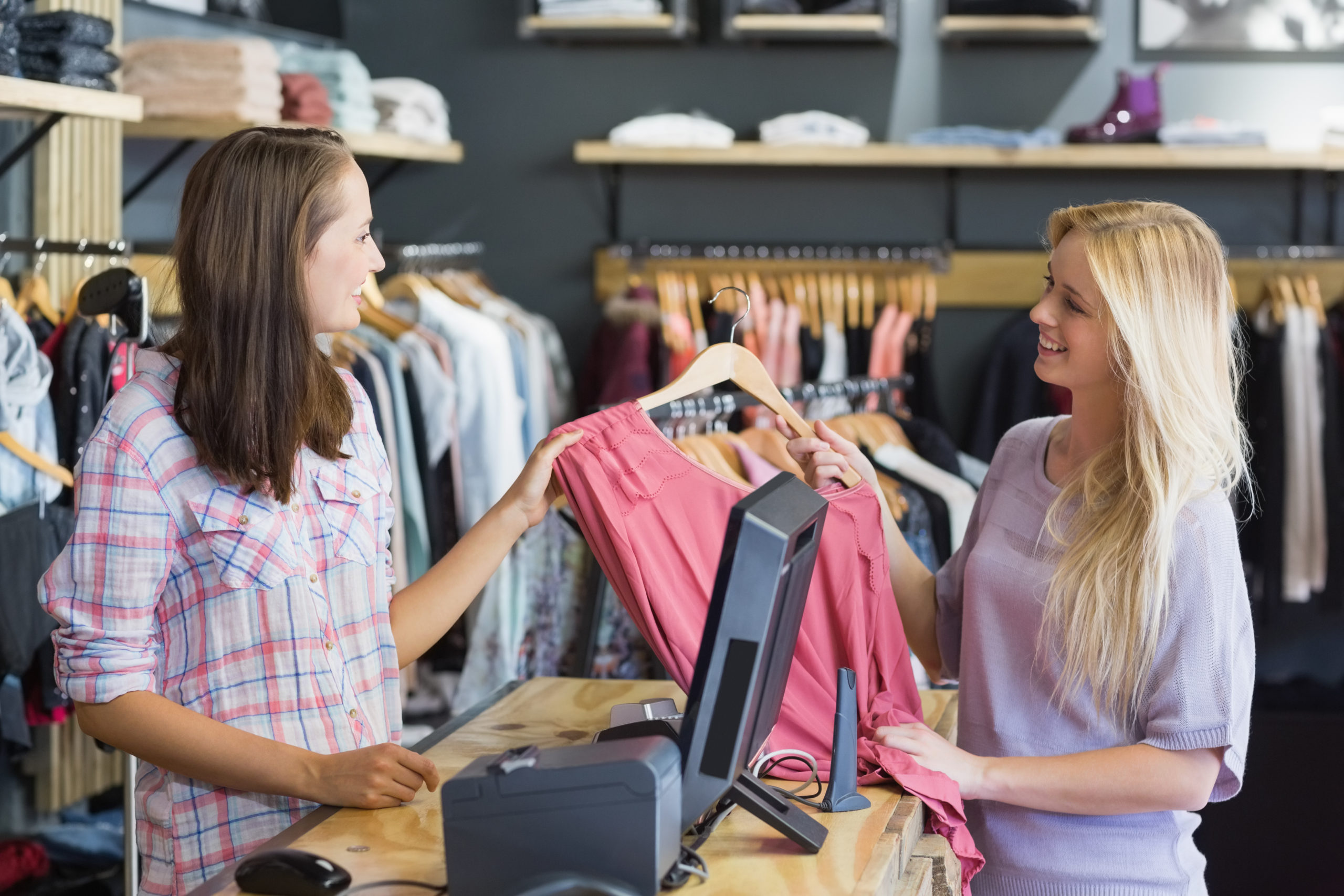
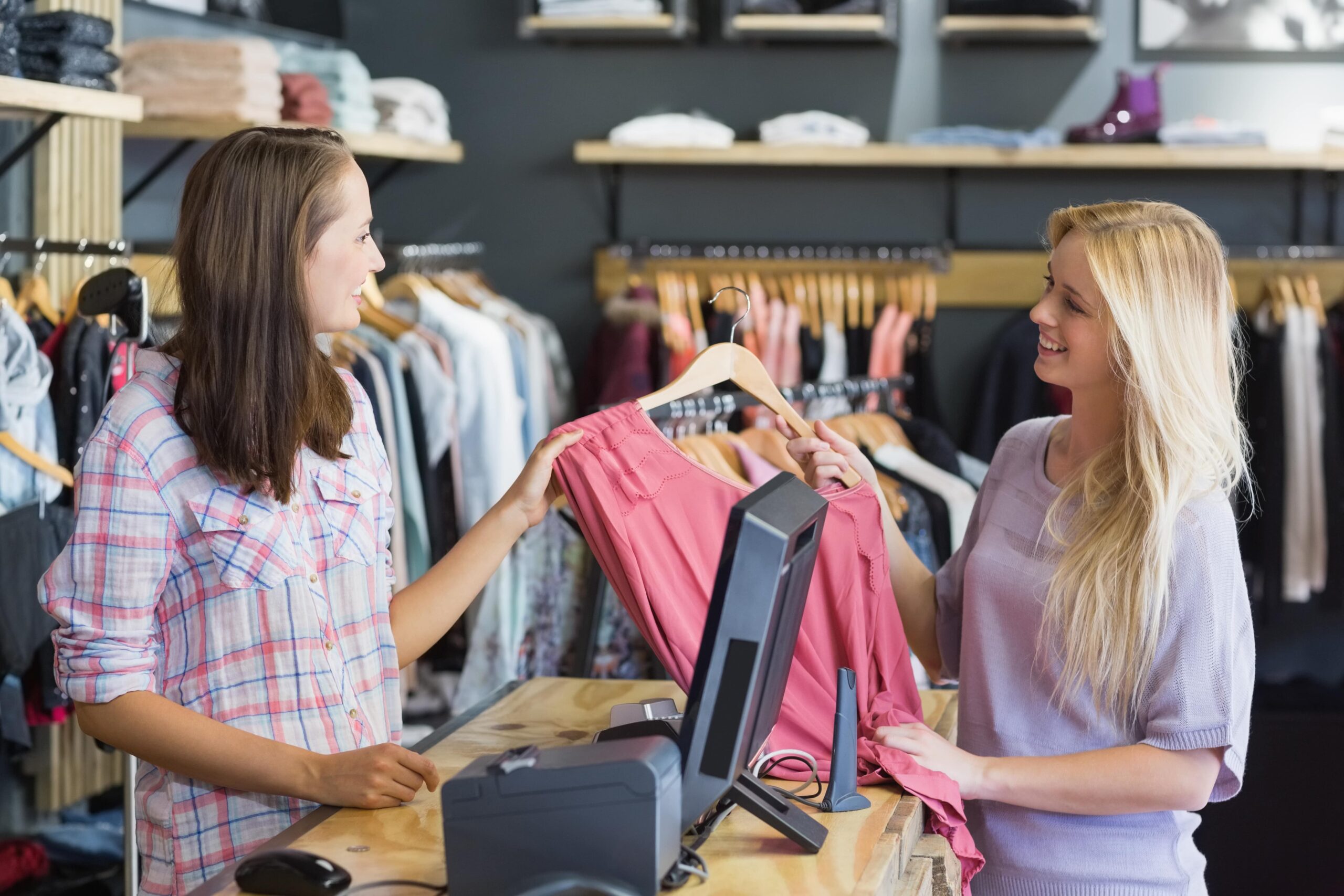
At its core, hybrid shopping combines the convenience of e-commerce with the tangible experience of in-store shopping. It gives consumers the flexibility to research and purchase products online while still offering the option to engage with products physically at a brick-and-mortar location.
For example:
- A customer might explore product reviews online, test the product in-store, and ultimately purchase it via a retailer’s mobile app.
- Alternatively, an individual could purchase an item online and opt for in-store pickup to receive it faster.
Hybrid shopping blurs the lines between online and offline commerce, empowering consumers to shop in ways that are most convenient for them. This approach is becoming increasingly relevant as consumer expectations continue to shift.
The Importance of Hybrid Shopping for Product Manufacturers
To truly appreciate the significance of hybrid shopping, product manufacturers must understand how this model is reshaping consumer behavior and operational needs across industries.
A Shift in Consumer Behavior: Online and In-Store Preferences
Today’s consumer is no longer limited to one way of shopping. Research suggests that 73% of shoppers frequently alternate between online and offline channels during their purchase journey. This behavior spans everything from browsing online before heading to a physical store to checking pricing on mobile devices while standing in the aisles of a shop.
For manufacturers, this means providing customers with accessible and flexible shopping experiences across platforms. A seamless hybrid shopping model will capture a larger audience by meeting the consumers where and how they prefer to shop.
How Hybrid Shopping Meets the Evolving Needs of Consumers
The hybrid shopping model directly caters to modern consumer demands for:
- Convenience: With features like click-and-collect services and fast shipping on online orders, customers enjoy more tailored options for receiving products.
- Personalization: Hybrid shopping provides opportunities for personalized experiences by combining online data insights with personalized in-store recommendations.
- Trust Through Tangibility: Many consumers still value seeing and feeling a product physically before making a purchase, even if the actual transaction occurs online.
By adapting to these expectations, manufacturers can build stronger connections with their audience while increasing satisfaction and loyalty.
The Impact on Supply Chain and Inventory Management
For manufacturers, hybrid shopping also introduces complexities in supply chains and inventory management. It requires:
- Real-time inventory visibility across online and offline channels.
- Efficient fulfillment strategies, including the ability to ship orders directly to consumers or specific stores for in-store pickup.
- Handling returns seamlessly, as hybrid shoppers often expect the flexibility to return items purchased online in physical stores.
Manufacturers investing early in hybrid-ready supply chain models stand to improve both operational efficiency and customer satisfaction.
Strategies for Adaptation: How Manufacturers Can Leverage Hybrid Shopping
To capitalize on the hybrid shopping trend, product manufacturers must innovate and align their strategies to meet the unique challenges and opportunities it presents. Here are three key approaches:
Enhancing Online Presence and E-Commerce Platforms
A strong online presence is foundational to hybrid shopping success. Manufacturers can work to:
- Optimize Product Listings: Ensure products have detailed descriptions, high-quality images, and customer reviews available on e-commerce platforms.
- Simplify the Purchase Process: Factor in user-friendly interfaces, multiple payment options, and flexible shipping methods for frictionless transactions.
- Collaborate with Retailers: Manufacturers operating primarily through retailers should push for enhanced digital collaboration, such as linking inventory systems for better online availability.
Creating Seamless Omnichannel Experiences
Hybrid shopping thrives on experiences that allow customers to transition effortlessly between online and offline channels. To achieve this:
- Integrate Systems: Sync inventory systems, customer databases, and transactional histories to provide seamless experiences.
- Promote Services Like BOPIS: Encourage Buy Online, Pick Up in Store (BOPIS) services by crafting marketing campaigns around the convenience and speed they offer.
- Deliver Consistency: Ensure branding, promotions, and interactions are aligned across all channels to avoid confusing the customer.
Utilizing Data and Analytics for Consumer Insights
The hybrid shopping model generates vast amounts of consumer data across touchpoints. Manufacturers can:
- Use this data to identify trends, preferences, and pain points in consumer behavior.
- Leverage predictive analytics to align production cycles with anticipated demand.
- Create targeted marketing initiatives that speak directly to the habits and needs of their customers.
Case Studies: Successful Examples of Hybrid Shopping Integration
Retail Brands That Have Successfully Adapted to Hybrid Shopping
Target: The retail giant embraced hybrid shopping through its Drive Up curbside pickup and same-day delivery services. Its app enables customers to check in-store inventory, order online, and pick up their items within hours. This streamlined hybrid model has resulted in record online sales growth.
Highlighting Innovations in the Manufacturing Industry
Nike: Nike’s hybrid model allows customers to reserve items online and try them in-store before buying. Its app also provides exclusive benefits, including personalized recommendations, early product access, and guided workouts—bridging a digital experience with real-world engagement.
These examples highlight that a thoughtful hybrid approach not only drives customer engagement but also boosts revenue and operational scalability.
The Future of Hybrid Shopping: Predictions and Opportunities for Growth
Hybrid shopping is not just a trend; it’s the future of retail. Here’s what product manufacturers can expect moving forward:
- Innovation in Technology: More advancements in AR and VR tools, allowing consumers to try products virtually while shopping online.
- Sustainability Focus: Hybrid shopping will help develop smarter inventory management systems that reduce overproduction and waste.
- Collaboration Across Channels: Retailers and manufacturers will partner even more closely to offer unified experiences, combining the strengths of e-commerce and in-store shopping.
Enterprises that invest in these areas today will find themselves well-positioned to take advantage of tomorrow’s opportunities.
Positioning Your Manufacturing Business for Success
Hybrid shopping is reshaping the retail landscape, and manufacturers cannot afford to be left behind. By prioritizing seamless omnichannel experiences, leveraging data, and enhancing online capabilities, manufacturers can better meet consumer expectations and secure a competitive edge.
Every step taken towards integrating hybrid shopping today is an investment in sustainable growth and relevance in an evolving market. The time to innovate is now—embrace the hybrid shopping trend to forge stronger connections with your customers and unlock new opportunities for your business.
If you’re ready to bring your product into major retailers but need help navigating the process, Retailbound can guide you every step of the way. Schedule a free consultation with one of our retail experts and discover how to get your product retail-ready, connect with the right buyers, and drive long-term retail growth.
About the Author
Yohan Jacob is the President and Founder of Retailbound. Retailbound is a comprehensive retail channel management consultancy that helps brands launch and scale their products in over 150+ retailers in both the US and Canada. Specializing in bridging the gap between product creators and retailers, Retailbound offers a range of services from retail strategy development, buyer engagement, sales management and channel marketing support. Whether the client is a startup or an established brand, Retailbound provides expert guidance to increase their retail presence, navigate buyer relationships, and drive sales growth both in-store and online.