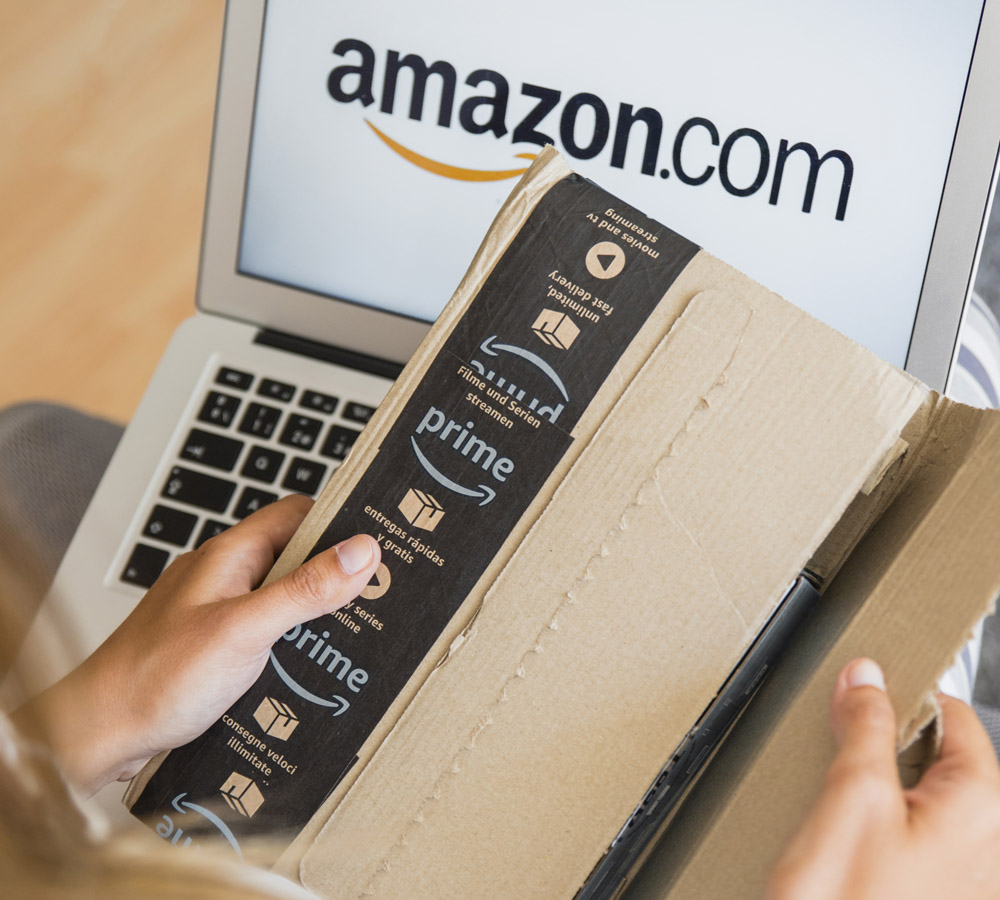
For many modern entrepreneurs, the dream begins on Amazon.
You launch a product, sales start climbing, and before long you’re sitting on a pile of five-star reviews and maybe even a coveted “Best Seller” badge. It feels like you’ve cracked the code.
Naturally, the next step seems obvious:
“If thousands of people are buying this online, retailers like Target, Walmart, or specialty stores should want it too.”
Unfortunately, success on Amazon does not automatically translate to success in retail stores.
This is one of the most common—and costly—misconceptions among consumer product brands. While dominating Amazon is impressive, the strategies that drive online sales are very different from those that drive success in brick-and-mortar retail.
To successfully transition from Amazon brand to retail brand, companies must understand that Amazon operates within its own ecosystem. What works online often fails when products hit physical store shelves.
Understanding Amazon’s Unique Ecosystem
Amazon is unlike any other sales channel. When you sell on the platform, you’re leveraging one of the most powerful commerce systems ever built.
Brands benefit from built-in traffic, world-class logistics, and sophisticated algorithms that help convert shoppers into buyers.
Built-In Customer Traffic
When customers visit Amazon, they are already in buying mode.
Their credit cards are saved. Many have Prime memberships. They arrive with the intention of purchasing something.
Unlike retail stores, you don’t need to convince consumers to walk through the door—Amazon has already done that.
Logistics and Fulfillment Advantages
Amazon’s Fulfillment by Amazon (FBA) network removes much of the operational complexity for brands.
Fast shipping, delivery management, and much of the customer service are handled by Amazon. This allows brands to scale quickly without building their own distribution and fulfillment infrastructure.
Retail distribution, on the other hand, requires a completely different operational setup including:
- Retail-ready packaging
- Wholesale pricing structures
- Inventory planning
- Retail compliance requirements
- Retail logistics and chargeback management
Algorithm-Driven Visibility
Amazon success is often driven by data and algorithms.
Brands optimize their listings through:
- Keyword optimization
- Pay-Per-Click (PPC) advertising
- Review generation
- Sales velocity
These tactics help products rise in search rankings and win the Buy Box.
But physical retail doesn’t operate this way. You can’t bid on a keyword to place your product at eye level on a store shelf. That placement requires retailer relationships, buyer negotiations, and category strategy.
Customer Behavior: Online vs In-Store
One of the biggest differences between Amazon and retail is how customers shop.
Understanding these behavioral differences is critical for brands trying to expand into retail.
Search-Driven Shopping on Amazon
Amazon shoppers usually arrive with a specific problem to solve.
For example, a customer might search:
“stainless steel garlic press”
If your product appears in the search results with strong reviews and competitive pricing, you have a strong chance of winning that sale.
The shopping journey is direct, transactional, and comparison-driven.
Discovery-Driven Shopping in Retail
Retail shopping often works very differently.
Consumers browsing the kitchen aisle at stores like Williams Sonoma or Target are often discovering products rather than searching for them.
This means your product must stand out through:
- Eye-catching packaging
- Strong brand messaging
- Clear product benefits
- Shelf presence
A plain box designed only for Amazon shipping may perform well online but can fail quickly in a physical retail environment.
Pricing and Trust Differences
Amazon creates an extremely price-competitive environment.
Consumers can compare multiple products instantly, which often leads to aggressive price competition.
Because customers trust Amazon’s review system, they may purchase lesser-known brands if they have strong ratings.
Retail works differently.
In physical stores, trust is often transferred from the retailer to the product. If shoppers trust a retailer like Whole Foods, Sephora, or Best Buy, they are more willing to trust the products on the shelf.
However, without online reviews next to the product, consumers rely heavily on:
- Brand recognition
- Packaging quality
- Product messaging
- Retail placement
Your product must communicate value without relying on digital reviews.
Why Brand Building Is Essential for Retail Success
This is where many Amazon-native brands struggle.
It’s possible to generate millions of dollars in Amazon revenue without building a strong brand. Some companies succeed simply by offering a good product with strong listing optimization.
In retail, this approach rarely works.
Retail buyers are not looking for another generic product. They want brands that bring incremental value to their category.
Buyers want to know:
- What makes your brand unique?
- What problem does your brand solve?
- Why will their customers care?
Strong brands build customer loyalty, making them harder to replace with cheaper competitors.
Building a Retail-Ready Brand
To succeed in retail, companies must invest in brand building beyond Amazon optimization.
Key brand-building investments include:
- Professional packaging design
- Brand storytelling
- Public relations and media exposure
- Influencer partnerships
- Social media engagement
- Retail marketing strategies
These elements help demonstrate to retail buyers that your brand has long-term potential, not just short-term online sales spikes.
The Risk of Relying Only on Amazon
While Amazon can be an incredible growth engine, relying on a single platform creates risk.
Amazon controls the ecosystem and can change policies, fees, and algorithms at any time. Accounts can be suspended and successful products often face competition from Amazon’s own private label offerings.
Expanding into retail provides important diversification benefits:
- Reduces reliance on one platform
- Expands customer reach
- Builds brand credibility
- Opens new revenue streams
For many brands, the best strategy is a balanced multi-channel approach that includes Amazon, direct-to-consumer sales, and wholesale retail partnerships.
A Brand That Successfully Made the Jump: Anker
One strong example of an Amazon-native brand successfully transitioning into retail is Anker.
Anker initially built its reputation selling charging cables and power accessories on Amazon. Through strong product quality and competitive pricing, they became one of the platform’s leading electronics accessory brands.
However, they didn’t stop there.
The company invested heavily in branding, product development, and packaging. As a result, Anker products are now widely sold in major retailers such as Best Buy, Walmart, and airports worldwide.
Amazon helped them prove demand, but brand building enabled retail expansion.
Why Many Amazon Brands Fail in Retail
On the other hand, thousands of Amazon sellers struggle to make the retail transition.
Many operate under generic brand names and rely solely on digital marketing tactics.
When pitching retailers, they bring strong Amazon sales data but lack:
- Brand identity
- Retail-ready packaging
- Marketing support
- Consumer awareness
Retail buyers are rarely interested in stocking products that customers have no emotional connection with—even if they sell well online.
Beyond the Buy Box: Expanding Into Retail
If you’re a product manufacturer looking to scale your brand, selling through major retailers can unlock tremendous growth opportunities.
However, brands must recognize that retail success requires a different strategy.
The transition requires a shift from:
- Keywords → storytelling
- Conversion optimization → brand connection
- Commodity products → recognizable brands
Amazon can be an excellent launchpad, but it should not be the final destination.
Brands that invest in strong branding, retail strategy, and multi-channel distribution are far more likely to achieve long-term success.
Ready to Expand Into Retail?
If your brand is performing well online and you’re ready to explore retail opportunities, the right strategy and partnerships are critical.
Retailbound helps product brands successfully launch and scale with major retailers across North America.
Contact Retailbound today to learn how we can help you build retail relationships, develop a winning retail strategy, and grow your brand in stores and online.
About the Author
Yohan Jacob is the Founder and President of Retailbound, a leading retail channel management consultancy that helps brands launch and scale their products with more than 150 retailers across the United States and Canada.
Retailbound specializes in bridging the gap between product manufacturers and retailers by providing services including:
- Retail strategy development
- Buyer introductions and engagement
- Sales management
- Channel marketing support
Whether working with startups or established brands, Retailbound helps companies increase retail presence, strengthen buyer relationships, and drive sustainable sales growth both online and in stores.