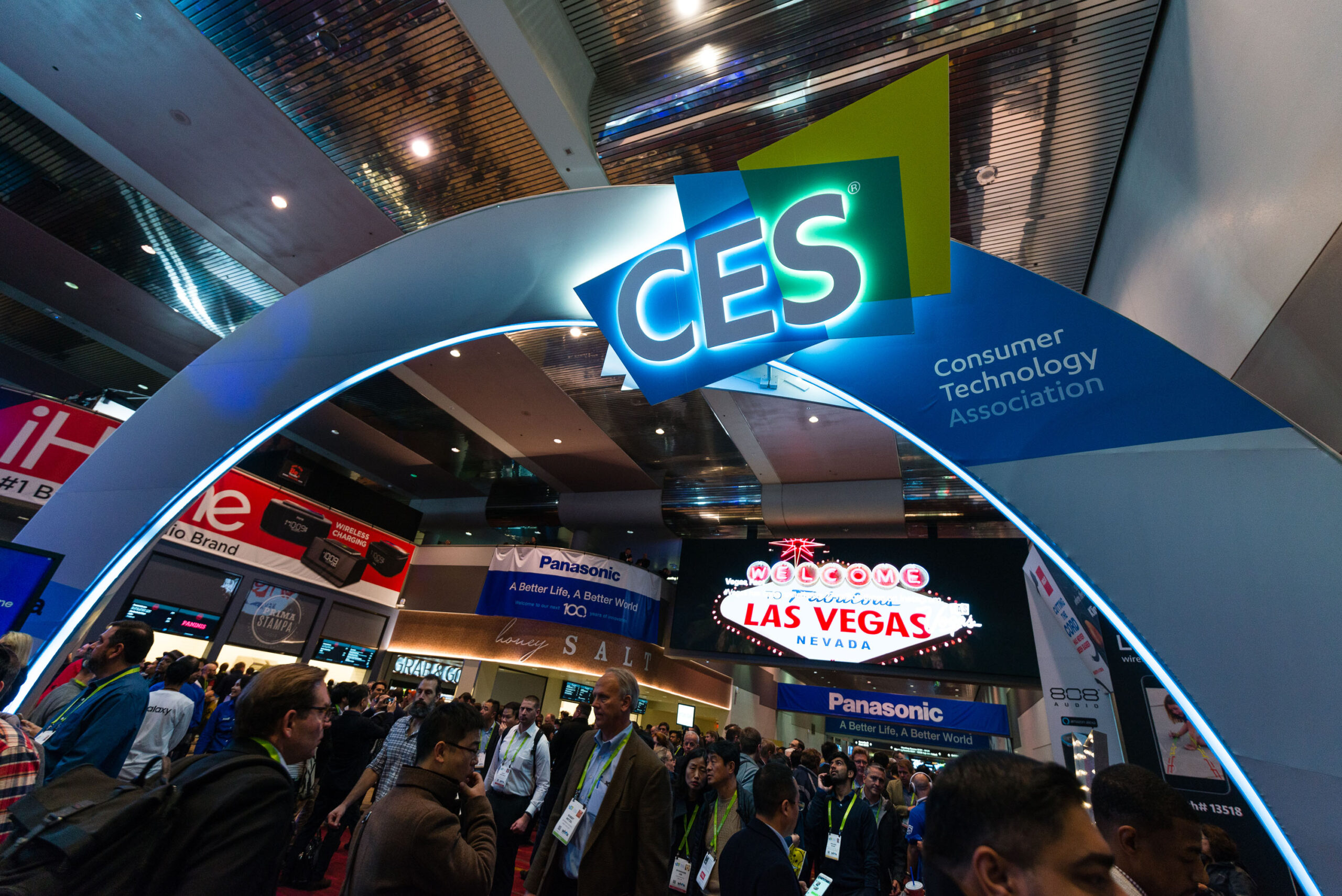
For over a quarter of a century, I’ve attended the Consumer Electronics Show (CES) and watched the event evolve into one of the most influential trade shows in the world. For product startups, CES is an unmatched opportunity to meet retail buyers, media, distributors, and potential partners — all in one place.
But here’s the truth: CES is only productive if you prepare properly.
Going in unprepared means wasted time, wasted money, and missed opportunities that may not come again until the next year.
With CES 2027 right around the corner, now is the perfect time to get organized, sharpen your pitch, and build a strategy that sets you up for retail success.
Key Takeaways
- CES rewards preparation and punishes improvisation. The meetings that make it worthwhile are booked before you arrive, not found on the floor.
- Eureka Park is CES’s startup area and is where most first-time product startups exhibit, but retail buyers may be working the category halls instead. Ask before choosing.
- Ask for a short specific slot rather than inviting a buyer to stop by, and remember that halls are far enough apart that travel time between meetings is real.
- Personalized follow-up within 48 to 72 hours is what converts CES conversations, and it has to be written before you travel because nobody writes it well afterward.
- A buyer met at CES has agreed to nothing. The real next step is a submission timed against their category review window, so ask when that is before they leave the booth.
- Accommodation is the cost line that moves most during CES week, and booking late is the expensive version.
Need Help Navigating the Retail Landscape?
Our team of experienced retail consultants (who were once former large retail buyers) can help you identify the right retail channels, prepare your brand for buyers and develop a strategy for retail growth.
1. Perfect Your CES Pitch
Every person in your booth needs to deliver a consistent, confident, and compelling message. Too many exhibitors rely on vague or inconsistent pitches that confuse buyers or journalists.
Create your pitch well in advance, practice it with your team, and include a clear call to action — something like:
“I’ll email you our product sheet once I’m back in the office.”
A consistent pitch helps attendees remember you, even in the chaos of CES.
Eureka Park and Where a Startup Should Actually Exhibit at CES
Eureka Park is CES’s dedicated startup area, and for most first-time product startups it is where you will end up exhibiting. It sits apart from the main category halls, the booths are small and uniform, and the companies in them are early stage by design. If you have never exhibited at CES before, this is the part of the show built for you.
Exhibiting there changes who is standing in front of you. Your neighbors are other startups rather than established brands with two-story stands, and the people walking the aisles skew toward investors, accelerators, corporate innovation teams and journalists hunting for a story nobody has filed yet. That traffic is genuinely valuable. It is also not the same as retail buyer traffic. A buyer responsible for a category tends to walk that category’s hall, because that is where the assortment they are accountable for sits.
Much of Eureka Park is organized into country, regional and university pavilions. A trade body, an economic development agency or a university program takes a block of space and allocates it to companies from its own region or program. This matters for two reasons. It usually reduces what you pay for the space, sometimes substantially, and it decides where you sit, because you go where the pavilion is rather than where your category is. If your product is a garage tool and your pavilion neighbors are health software, the passing visitor is not in your market.
The honest trade-off. The startup area gets attention from press and investors that a small stand in a category hall would never get. The category halls get the buyers. Which one is worth more depends on what you actually need from the week. If you are raising, Eureka Park is the better room. If your whole reason for going is to meet retail buyers, you need a plan for reaching them that does not rely on them wandering past your booth.
Two things to do before you commit. Ask CES directly where buyers in your category are expected to walk, because their exhibitor team knows how the halls are laid out and how the categories are grouped. And ask your pavilion organizer exactly what the fee covers. The number quoted is often the space and a basic booth package only, with graphics, power, internet, furniture and material handling billed separately. Get the full list in writing before you budget.
2. Bring Enough Staff
Exhibiting at CES isn’t cheap — so don’t sabotage your investment by understaffing your booth.
You never want key moments to be missed because someone stepped away for lunch or a meeting.
Make sure your team knows the basics:
- Warm greetings
- Professional demeanor
- Positive, approachable body language
A well-staffed booth not only improves engagement — it creates a better experience for buyers and press.
What CES costs beyond the booth
Booth space is the line everybody budgets for and it is rarely the largest number by the end of the week. These are the other lines, and what drives each one.
Space. Charged by the square foot and by location, with corner and aisle positions priced above the rest. Pavilion and program placements are priced differently again.
Booth build or rental, and graphics. A custom build costs more than a rented modular stand, and graphics are a separate job with their own print lead time. Rework close to the show is the expensive kind.
Drayage and material handling. Getting your crates from the loading dock to your stand and back is a charge on its own, usually by weight, and it surprises first-time exhibitors more than any other line.
Electrical, internet and rigging ordered through the venue. These come from the venue’s contractor, not from you, and ordering them late costs more than ordering them on time.
Freight in and out. Shipping the stand and product to Las Vegas, then home again, plus whatever you need shipped in as a replacement partway through the week.
Staff travel and accommodation. Flights and hotel rooms for everyone working the stand, during a week when the entire city is booked.
Meals and ground transport. Between halls, between hotels and between meetings, for several days, for several people.
Samples, sell sheets, media kits and giveaways. Printing, duplication and the cost of any product you hand out or use for demonstrations.
Pavilion or program fees. If you exhibit through a country, regional or university pavilion, that fee may include some of the lines above or none of them.
The line that moves most is accommodation. Hotel pricing in Las Vegas during CES behaves nothing like the rest of the year, and it gets worse the closer you book. Locking rooms early is the single cheapest decision on this list. Freight and drayage are the second most volatile, because both are driven by weight and by how late you are.
For actual numbers, go to the CES exhibitor kit and the official service contractor order forms. Both are published, both are current, and both are specific to the year you are exhibiting. Any figure you read in an article, including this one, would be out of date before you used it.
3. Schedule Appointments Early
CES is massive. Don’t rely on just walk-in traffic.
Weeks before the show, begin reaching out to:
- Retail buyers
- Journalists and media outlets
- Distributors
- Influential partners
Confirm these appointments again right before CES. Yes, some meetings will fall through — but you can easily reschedule after the show when you’ve already started the conversation.
How to get Retail Buyer Meetings Booked before you Land in Las Vegas
Walk-in traffic at CES is a bonus, not a plan. The meetings that justify the cost of the show are the ones sitting in your calendar before you get on the plane. Here is how to fill it.
Start with named retailers, not categories. Write down the specific chains you want to sell to, then the specific department or category inside each one. “Consumer electronics buyers” is not a target. “The buyer who owns the category my product would sit in, at these four chains” is. You cannot research your way to a meeting with a list you have not narrowed.
Use CES’s own exhibitor and matchmaking tools first. Registered exhibitors get access to the show’s directory and its meeting scheduling tools, and retail buyers who attend often register through those same channels. Get into them the day they open rather than the week before the show, because the calendars of the buyers worth meeting fill early.
Then go around the tools as well. Ask distributors, reps, investors and other founders in your category who they know at the retailers on your list. A warm introduction from someone the buyer already deals with gets read. A cold note to a generic address usually does not.
Ask for a specific slot, not a visit. “Stop by our booth” puts the work on them and gets ignored. “Fifteen minutes on Wednesday morning, at our stand or wherever suits you” is a decision they can make in one line of reply. Say the category you are in, the shelf problem the product solves, and exactly how long you need. Nothing else belongs in that first message.
Confirm the week before, and again the morning of. Schedules at CES fall apart. A confirmation the night before is the difference between a meeting and a gap.
Booked meetings change two other things you have already planned. Your staffing has to cover them, because somebody senior has to be free at that hour and the booth still has to be worked while they are gone. And the halls are far enough apart, with enough people between them, that travel is real time. Do not book back-to-back meetings in different venues and assume you will make both. Leave a gap, and give your team the meeting schedule before you leave for Las Vegas, not on the show floor.
Pro Tip: Ask every buyer you meet when their category review window opens, and write the answer down next to their name. That single date decides whether your follow-up is useful or premature, and it is the one piece of information a buyer will give freely at a show and will not volunteer in an email three weeks later.
4. Research Your Competition
CES is the perfect place to see what others in your category are doing:
- Who are they targeting?
- What messaging are they using?
- What features are they highlighting?
Set aside time to walk the floor and take notes. Understanding your competitors helps refine your pitch, pricing, and positioning—especially once you begin retail conversations.
5. Make Your Booth Fun and Memorable
CES attendees are overwhelmed with information, demos, and meetings.
Your booth needs to feel like a break, not more noise.
A laid-back, friendly, energetic atmosphere draws people in naturally.
It doesn’t need to be gimmicky — just engaging, inviting, and different from the standard trade show setup.
6. Give Live Product Demonstrations
Nothing attracts a crowd like a compelling product demo.
Practice your demos so they’re tight, engaging, and repeatable throughout the day.
Pro tip: Collect business cards or scan badges during the demo. This ensures every warm interaction gets added to your follow-up list.
Pro Tip #2: Rehearse your demo to work in under a minute, standing, with noise, and with somebody who has never seen it before. CES halls are loud and buyers are walking to somewhere else. A demo that needs a quiet room and three minutes will not be seen, however good the product is.
7. Choose the Right Booth Giveaway
A smart giveaway boosts traffic and starts conversations.
If feasible, offer one of your own products as the prize—this is great for both attention and market feedback.
If that’s not possible, choose something small and useful (mints, branded accessories, etc.).
The goal is simple: make people stop long enough for you to make a meaningful connection.
8. Provide High-Quality Product Sales Sheets
Many CES attendees won’t have time to stop and talk — especially if your booth is busy.
Make sure you have well-designed product sheets available for quick pickup.
If your budget allows, load all your product info onto a branded USB drive. It saves attendees space and helps them keep your materials organized.
Pro Tip: Bring two versions of your sell sheet, one for press and one for buyers. The press version leads with what is new and why it matters. The buyer version leads with the category, the shopper it brings in, the pack and the case configuration. Handing a buyer a press sheet is a wasted conversation, and at CES you will be handing out both all day.
9. Create a Complete Media Kit
Press coverage can be one of the biggest wins from CES.
Prepare a media kit that includes:
- Company overview
- Product specs
- Pricing
- Awards or certifications
- High-resolution photos
- Contact information
Have the kit ready on a USB drive so you can hand it out instantly when journalists stop by.
10. Build a Strong Follow-Up System
The biggest mistake exhibitors make?
They never follow up.
As a former retail buyer, I handed out dozens of business cards at CES — yet most exhibitors never contacted me. That’s thousands of dollars lost on booth space, travel, and marketing.
Before CES even begins, build a follow-up process.
It can be as simple as:
- Log every conversation
- Categorize leads (hot, warm, cold)
- Send personalized emails within 48–72 hours
- Schedule post-CES calls or demos
A strong follow-up strategy turns CES conversations into real retail opportunities.
Turning CES Conversations into Retail Conversations
The email you send within 48 to 72 hours does its job when the buyer remembers who you are. It does not do the next job, which is getting your product into a retailer’s assortment. A buyer who spent ten minutes at your booth has agreed to nothing. What you have is permission to start a process, and the process has its own shape.
In most categories the next step is a formal submission rather than a conversation. The buyer will point you at a line review, a new item submission form, a vendor portal or a distributor, depending on the retailer and the category. What goes into it is not your CES pitch. It is your landed cost, your suggested retail price and the margin in between, your case pack and pallet configuration, your barcodes, your certifications, your capacity, your lead time and whatever evidence you have that the product already sells somewhere. If you can send that within a week of the show, you are ahead of almost everyone else the buyer met.
Then it goes quiet, and the quiet is not rejection. Retailers review categories on their own calendar. A buyer who loved your product in January may have no ability to add anything to the assortment until their category comes up for review, and when it does they are comparing your product against everything else submitted since the last one. Your momentum from the show has nothing to do with their schedule. This is the part first-time exhibitors read as failure, and it usually is not.
Which is why the most useful question you can ask at the booth is about timing. Before that buyer walks away, ask when their category is reviewed and what they need from you before then. It is a normal question, buyers answer it, and the answer converts a vague follow-up into a dated plan. It also tells you whether to keep the product’s retail-ready work moving now or whether you have months to strengthen the case. Ask it while they are standing in front of you, because it is far harder to get answered by email three weeks later.
Pro Tip: Write your follow-up emails before you fly out, with the personal detail left blank. The 48 to 72 hour window falls in the week you are unpacking freight and catching up, which is exactly why the exhibitors who most needed the follow-up are the ones who miss it.
How AI Will Transform CES Prep and Retail Launches
CES 2027 will be one of the first years where AI-powered tools become mainstream in trade show and retail planning. Startups can now use AI to:
- Create more targeted buyer pitches
- Analyze competitor booths in real time
- Predict which retailers are the best fit for their category
- Automate lead capture and follow-up
- Personalize product demos and messaging
- Plan retail pricing and promotions based on historical data
AI won’t replace your hustle — but it will make your CES strategy smarter, faster, and more effective than ever.
Kick Off 2027 the Right Way
Cheers to the excitement of CES 2027! Retailbound is looking forward to seeing the newest innovations hitting the show floor.
Not attending CES but planning to launch your brand into retail in 2027?
Since 2008, Retailbound has helped hundreds of product brands scale into more than 150+ retailers across the U.S. and Canada. Our team specializes in retail strategy, buyer engagement, and channel development for startups and established brands.
If you’re ready to bring your product into major retailers but need help navigating the process, Retailbound can guide you every step of the way. Schedule a free consultation with one of our retail experts and discover how to get your product retail-ready, connect with the right buyers, and drive long-term retail growth.
Frequently Asked Questions
How much is it to exhibit at CES?
It depends on the hall, the space size, whether you exhibit through a startup program or pavilion, and how much of the build you buy rather than rent. Space is also the smaller half of the total once build, drayage, venue services, freight and a week of Las Vegas accommodation are added. Get the current figures from CES’s own exhibitor materials rather than from any secondhand number.
Is CES worth going to?
For a product startup it is worth it if you arrive with meetings already booked and a follow-up system already written. It is not worth it as a place to be discovered, because the floor is too large and too loud for that. The test is whether you can name the buyers and press you want to meet before you book the space.
Is CES still relevant today?
As a place to announce to the world, less than it was. As a place where retail buyers, distributors, press and partners are all reachable in the same week, very much so. Judge it by the meetings you can secure rather than by the coverage the show generates for other people.
What is the dress code for CES?
Business casual is the working answer, with the emphasis on shoes you can stand and walk in all day, because the halls are very far apart. If you are exhibiting, dress consistently across your team so visitors can tell instantly who works on the stand.
How much does it cost to attend CES?
Attending and exhibiting are completely different budgets. Attendance cost depends on your registration type and whether you qualify for an industry rate, and the larger variable for most people is accommodation during a week when the city is full. Check CES’s registration pages for the current rates rather than relying on figures quoted elsewhere.
How many people are expected to attend CES?
CES publishes its own attendance and audit figures and they change year to year, so use the show’s official numbers rather than a secondhand figure. For an exhibitor the more useful question is not how many people attend but how many of them buy for your category, which is what CES’s attendee breakdown and matchmaking tools are for.
About the Author
Yohan Jacob, President and Founder of Retailbound, leads a retail channel management consultancy that supports brands in over 150 retailers across North America. His team specializes in retail strategy, sales presentations, buyer engagement, and long-term retail expansion.