Selling To Retail
From Decline to Revival: The New Era of Brick-and-Mortar Retail
Why physical stores are being rebuilt rather than closed, and what the store revival means for a product brand deciding where to sell.
 Yohan Jacob
12 min read
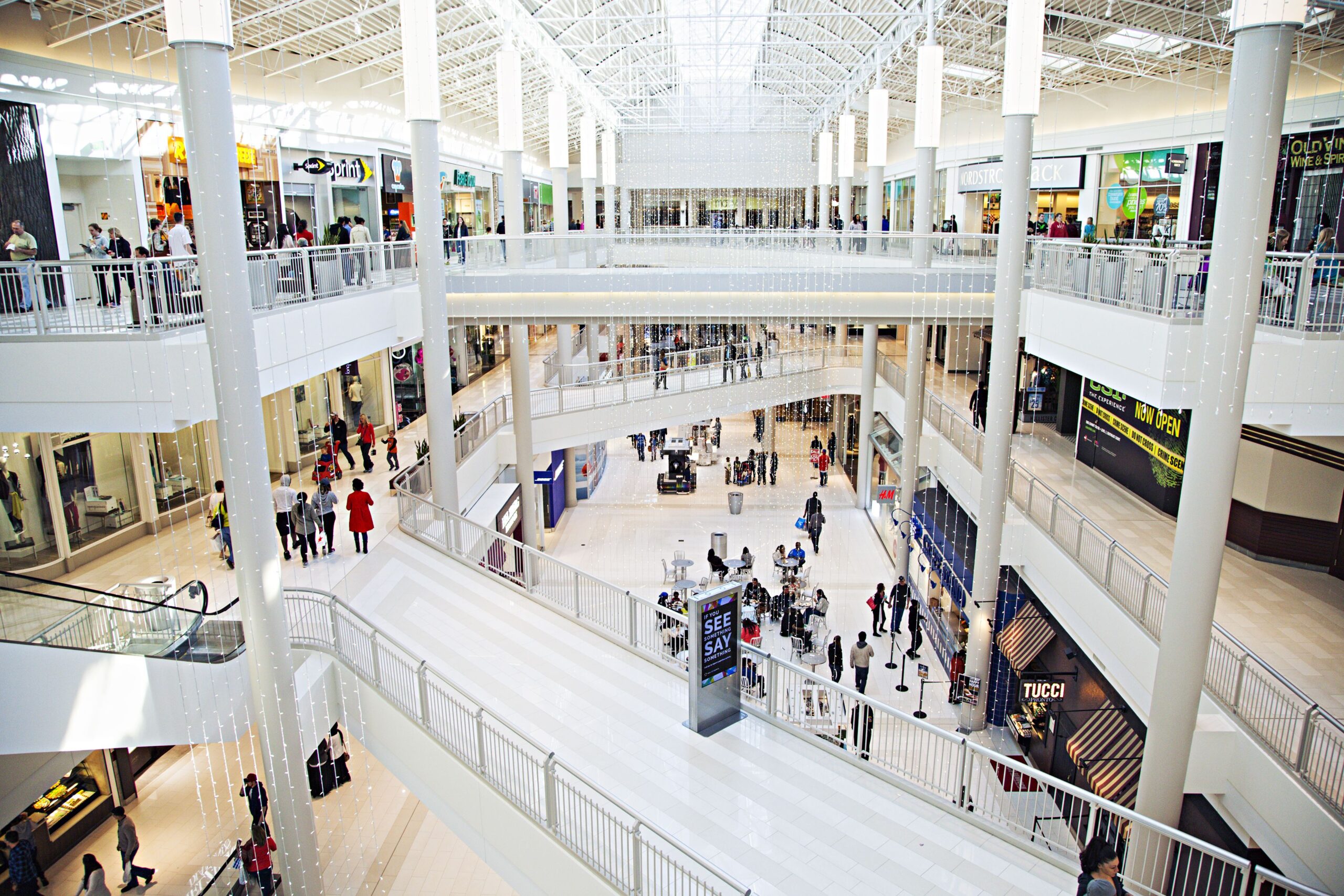
E-commerce giants like Amazon take more of the market every year. So many people wonder whether brick-and-mortar retail is a relic of the past. Product startups ask the same question as they plan their market entry. Are physical stores still worth it? The short answer is that stores are not dead, but they have changed. The future of brick and mortar retail depends on category, format, and what a store is for. Below are the challenges, the survival strategies, and the startups that adapted and grew.
Key takeaways
- Brick-and-mortar retail did not disappear. It narrowed, and the stores that remain are being rebuilt around experience, not inventory alone.
- Most US retail sales still happen in physical stores. Brands that treat retail as optional are opting out of most of the market.
- Shoppers still prefer to buy some categories in person, clothing among them. The tactile experience cannot be copied online.
- The rivalry framing is out of date. Discovery and purchase now move in both directions between store and screen.
- Fewer, better stores means a more selective buyer per slot. The evidence a new brand needs to bring has gone up, not down.
- For a product brand, the question is not whether physical retail is alive. It is whether it is alive in your category.
Quick check
Need Help Getting Into Retail?
Our retail consultants were once buyers at large retailers. They can help you pick the right retail channels, get your brand ready for buyers, and build a plan for retail growth.
Defining Brick-and-Mortar Retail’s Current State
Brick-and-mortar retail means businesses with physical storefronts. Customers can handle products and buy them in person. Digital shopping has grown, but physical stores remain a big part of retail. The National Retail Federation says over 70% of US retail sales still happen in physical stores. That figure does not tell the whole story, though. Many consumers now blend online and offline shopping. Online is convenient, so physical stores face pressure to reinvent themselves to stay relevant.
Where the Numbers Actually Come From
It is worth being precise about the evidence. The numbers most often quoted in this debate come from one moment in time. They get repeated without their date attached.
The National Retail Federation figure for the share of US retail sales still made in physical stores is widely cited. It is also widely stripped of its year. Whatever the current number is, the argument it supports is weaker than it looks. The split between online and physical no longer describes how anyone shops. Think of a purchase made on a phone and collected in a store. Or one researched in a store and ordered at home. Each lands on one side of that line for accounting reasons, and belongs to both in reality. Treat any single share-of-sales figure as a record of how transactions are booked, not of where shopping happens.
Forbes put global e-commerce sales at $8.07 trillion in 2027.
The same applies to the explanation. For several years, every change in retail was explained the same way: the pandemic sped up the shift to e-commerce. That was true. It is now several years settled. Leading with it still frames a permanent change as a recent shock. The interesting questions have moved on. Which categories do people want to buy in person? What is a store for when the transaction can happen anywhere? How are retailers choosing to use the space they have?
The honest position for a brand is this. The cost pressures on physical stores are real: rent, staffing, utilities, and a service level that is expensive to deliver every day. The advantages are just as real. People can see and handle the product. The retailer’s own traffic does discovery work a brand would otherwise pay for. A physical shelf reaches shoppers who will never find you online. None of that needs a statistic to be true. All of it stayed true through the years the decline story covered.
The Argument for the Survival of Brick-and-Mortar
Despite these challenges, there is a strong case for physical retail. For one, human contact is still a core part of shopping. Many consumers still want to see, touch, and try products before they buy. A RetailDive survey found that 62% of shoppers prefer to buy clothing in-store because of the tactile experience.
Physical stores can also act as brand ambassadors. They offer immersive experiences that reinforce brand identity. Apple’s retail outlets, for example, are designed to be more than sales points. They are hubs for creativity and innovation. Experiences like that build brand loyalty and lasting bonds with customers.
Brick-and-mortar locations can drive online sales too, by serving as showrooms. A customer visits a store to explore products, then buys online when it suits them. This trend, known as “showrooming,” shows how well online and offline channels can work together.
Pro tip
Before you decide physical retail is worth pursuing, walk the aisle you would be in at three different retailers in your region. Count how many brands on that shelf did not exist five years ago. A category admitting new entrants looks nothing like one where the same legacy names hold every facing. Ten minutes in a store tells you more about your odds than any sector forecast.
What the Store Revival Means for Product Brands
The sector commentary answers a question brands do not have. Stores are recovering, or reinventing, or consolidating, depending on whose analysis you read. What a product brand needs to know is what any of that changes about where to sell and how to sell it. Here is the translation.
The answer is category-specific, not general.
Physical shelf space is growing in some categories and shrinking in others. A national trend line tells you nothing about the aisle you would occupy. Walk the stores that would carry you. Count the facings. Compare how much space the category holds now with what you remember. See whether new brands have appeared in it. That is your data, and it beats any forecast.
A store built as an experience judges your product in person.
Retailers investing in the in-store experience choose products that demonstrate well, look good in the hand, and invite someone to pick them up. That is a different selection from what a feed optimizes for. If your product is compelling to hold and dull in a thumbnail, physical retail is where you should be. Say so in the pitch.
Fewer, better stores means more selective buying.
When a retailer runs fewer stores and invests more in each, every shelf slot carries more weight. The evidence bar for a new vendor rises. Expect to be asked for proof, not a story. Sell-through from anywhere, review data, performance in another channel. Arrive with it unprompted.
Omnichannel means you are expected to bring demand, not just absorb it.
A retailer running one integrated operation does not see itself as free foot traffic for your brand. More and more, the question in the meeting is what you will do to send shoppers into the store. Have an answer. Geo-targeted ads to the store catchment. A where-to-buy page that names their locations. A launch campaign built around the account.
Physical placement is evidence that travels.
A product that sells on a shelf, in front of shoppers who had never heard of it, is the strongest proof of demand there is. It carries into every other conversation you will have. That makes even a small regional placement worth more than its revenue. It is a reason to take a limited test seriously rather than hold out for a national order.
The requirements are real and they are fixed.
Packaging that works at shelf distance. Case packs. Barcodes. Compliance documents. Insurance. The ability to ship to a distribution center on somebody else’s terms. None of that is optional. None of it can be arranged in the week after a buyer says yes. If physical retail is where you are heading, the readiness work starts now, not when the order arrives. Check whether your brand is ready for retail before the first meeting.
Strategies for Modernizing the Brick-and-Mortar Experience
To thrive today, brick-and-mortar stores must evolve. One strategy is to use technology to improve the in-store experience. Digital tools like augmented reality (AR) and virtual reality (VR) can create engaging, interactive experiences that hold a customer’s attention. A furniture retailer, for example, can use AR to show a customer how a piece would look in their home.
Another approach is to build community-centric spaces. Events, workshops, and pop-up shops give people a sense of belonging and a reason to come back. They also give the store a chance to show off new products and gather customer feedback.
Finally, an omnichannel strategy is essential. Online and offline channels should work as one, so the customer gets a smooth experience at every touchpoint. That can mean in-store pickup for online orders, easy returns, and data analytics to personalize marketing. Break down the silos between digital and physical operations, and the retailer meets consumer expectations better and gets more from each channel. For a brand, the same logic applies. Work out which distribution channel fits your product before you pitch a store that runs both.
Pro tip
If you sell online and want to know whether your category still moves in stores, look at where your own returns come from. Categories with high online return rates, anything judged on fit, feel, scale or finish, are the categories where physical retail holds its ground. They are also the easiest ones to argue into a buyer meeting. Your return data is a category signal about shoppers, not just a cost line.
How Physical and Online Channels now Feed Each Other
The framing of online against physical belongs to an argument that is over. Retailers investing in stores are not defending them against e-commerce. They are running one business with two front doors. For a brand, the practical result is that you cannot judge the two channels separately. Each one generates demand that the other converts.
| Physical store | Online | |
| Discovery | Unplanned, driven by shelf position and packaging. | Intent-led, driven by search and social. |
| What convinces a shopper | Handling the product, seeing scale and finish. | Reviews, comparison, price. |
| Who controls the experience | The retailer. | The brand. |
| Margin | Lower, shared with the retailer. | Higher, but you carry acquisition cost. |
| Payment | On the retailer’s terms, after delivery. | At the point of sale. |
| What it proves to a buyer | Sell-through, the number buyers trust most. | Demand exists, which is where the conversation starts. |
Read down the two columns and the loop is obvious. A shopper sees a product in a store, reads reviews on their phone, and buys either there or later at home. Another sees it online, wants to know how big it really is, and goes to look at it in a store. Both directions happen all the time. Neither shows up cleanly in either channel’s numbers. A brand expanding from Amazon into retail sees this loop at once: the listing proves demand, and the shelf proves sell-through.
Which leads to the point that matters in a buyer meeting. Your store performance and your online performance cannot be judged as separate businesses. A retailer increasingly will not judge them that way either. Expect to be asked what you will do to bring shoppers into their stores rather than divert them to your own site. A brand whose answer is a national ad campaign aimed at its own checkout is answering the wrong question.
Choosing a Regional Chain over a National Account
A hardlines brand with a good product and limited production capacity gets an opening with a national retailer and a smaller regional chain at about the same time. The national order is larger and more prestigious. In this case, it is also beyond what the brand could fund and supply reliably. Choosing the regional chain meant a smaller first order, a manageable number of stores to support, and a sell-through record that could be built properly and taken to the national buyer later. The cost was a year of slower growth and the discomfort of telling a national buyer not yet. What it avoided is the far more common outcome. An opening order that cannot be restocked. An empty shelf within weeks. A delisting that follows you into every later conversation.
Moving from Online-Only into a Specialty Retailer
A brand selling well through its own site assumes retail is the same product with a barcode added. It is not. The pack that worked as a shipping carton does not work as a shelf pack. The pricing built for direct sale does not survive wholesale margin. The case pack and labeling requirements arrive as a surprise. The brands that make this move well do the readiness work before the first meeting, not after the first yes. They price backward from the shelf, not forward from their own cost.
Discovering What the Physical Channel Demands that was Never Planned For
The recurring items are the same across categories. Product liability insurance with the retailer named correctly. Compliance and testing documents the online channel never asked for. The working capital to fund a production run that gets paid for months later. The ability to ship to a distribution center on the retailer’s terms, not your own. None of these is hard on its own. All of them take time. And all of them get discovered at the worst possible moment by brands that treated the purchase order as the start of the preparation rather than the end of it.
Conclusion: The Future of Retail and the Role of Brick-and-Mortar
The digital age brings real challenges for brick-and-mortar retail. It also brings room to grow and innovate. With modern strategies and tools, physical stores can complement online channels and give customers something unique. For product startups, blending the strengths of both worlds can be a powerful formula for success.
Brick-and-mortar is far from obsolete. It can be a lively, central part of retail. Product startups that embrace change and adapt to new consumer expectations can keep their physical presence as a key driver of growth. When you are ready to pitch a retail buyer, bring the evidence this article describes. Rethink the role of the physical store, and brick-and-mortar and e-commerce can coexist, each amplifying the other’s strengths.
Free consultation
Talk to a retail expert about your product.
We build the retailer list, the pricing model, and the buyer pitch, so your first meeting starts from your numbers instead of theirs.
Retainer only, no commission · 150+ retailers · No obligation
Frequently asked questions
Reinvention rather than decline. Physical stores are being rebuilt around experience, service, and fulfillment rather than inventory alone, and the category mix is shifting. For a product brand, the practical result is that shelf space is still available. The evidence required to earn it has gone up.
It depends entirely on category and format. The sector-level headline hides wide variation. The answer that matters to a brand is whether stores are doing well in your category, at the retailers you would sell through. You can check that by walking the aisle.
The comeback framing assumes they left. Most retail sales in the United States kept happening in physical stores through the period people called a retail apocalypse. What changed is which stores, in which formats, and what a store is for.
Not in categories where shoppers want to handle a product before buying it. Anything judged on fit, feel, scale, or finish keeps a strong physical channel. That is why in-store preference stays high for categories like clothing.
Both channels answer different questions. Online proves demand exists and gives you margin and control. Physical retail gives you reach and the sell-through data buyers trust. Most brands do not choose, they sequence. The sequencing depends on whether your operations can carry retail payment terms and order sizes yet.