Getting your product on-air at QVC can be a powerful opportunity for an emerging consumer brand to reach a large audience, generate sales, and build brand awareness. Unlike traditional retail, QVC gives product manufacturers the opportunity to demonstrate their products directly to consumers through live television, streaming, and digital commerce. For products that are innovative, highly demonstrable, and able to solve a clear consumer problem, a QVC appearance can provide significant exposure and sales potential.
However, getting selected by QVC is highly competitive, and having a great product is only the beginning. QVC buyers are looking for products that fit their customer base, offer a compelling value proposition, and can be effectively demonstrated and presented on-air. Your product, pricing, packaging, inventory capabilities, sales history, and ability to tell a compelling story can all play a role in whether QVC sees your brand as a good fit.
In this 2026 vendor guide, we’ll walk you through the key steps to getting your product on-air at QVC—from determining whether your product is a good fit and preparing your retail presentation to approaching QVC, pitching your product, preparing for an on-air opportunity, and maximizing sales after your appearance.
Key Takeaways
- QVC’s reach is around 380 million homes worldwide, which is why an airing can do in an hour what a shelf placement does in a season.
- Only about five percent of applicants secure a spot, so the pitch is a genuine filter and a product that is not visibly demonstrable rarely clears it.
- Be financially prepared for a minimum purchase order that typically ranges between thirty thousand and thirty five thousand dollars at wholesale cost.
- Expect a QVC price approximately twenty percent below traditional retail, or offer an exclusive configuration, color, size or bundle that provides the extra value instead.
- Have your paperwork ready before you pitch. Company information, W-9, Certificate of Insurance, product sell sheet, product details, QVC cost and suggested retail price.
- Storytelling is the product on this channel. A demonstration that shows a problem being solved in seconds beats a feature list every time.
Want Help Getting Your Product On-Air at QVC?
Talk with a retail expert about your product and retail strategy.
How to Get Your Product On-Air at QVC
When it comes to selling on QVC, companies can benefit from the extensive reach that this platform offers. In fact, QVC’s reach is around 380 million homes worldwide, providing an excellent opportunity for businesses of all sizes to showcase their products to a massive, live global audience. Businesses can take advantage of the captive audience by offering high-quality and interesting products that arouse the viewers’ curiosity, enticing them to make a purchase.
Another advantage of selling on QVC is the trust factor. As this TV shopping network acquires a positive reputation for offering quality products and fulfilling customer orders effectively, viewers tend to invest higher levels of trust in the showcased items. This trust can lead to higher conversion rates and customer satisfaction.
Selling on air Compared With Selling on a Shelf
| QVC on air | Traditional retail shelf | |
| What sells it | A live demonstration and a story | Packaging and price at the shelf |
| Best product type | Visibly demonstrable, solves a clear problem | Familiar, comparable, easy to choose |
| Commitment up front | A minimum purchase order of stock | A purchase order sized to the rollout |
| Duration | An airing, repeated if it performs | A season or a planogram cycle |
| Who owns the customer | The channel | The retailer |
| What it proves next | Demand and demonstrability at scale | Shelf sell-through in a category |
QVC and HSN, and How the Group Fits Together
Vendors often think about this as one destination, and it is not. The group operates more than one shopping channel, and the practical consequence for a brand is that a product declined by one may be right for another.
The channels have different audience profiles. They are not interchangeable, and the differences show up in the categories that perform, the price points that work and the style of presentation that lands. Watch both before you decide which one your product belongs on, the same way you would walk a store before pitching it. The audience difference should change how you demonstrate the product, not what the product is. A brand that rewrites its item to suit a channel usually ends up with something that suits neither.
Each channel has its own pitch route. They run separate vendor submission processes with their own requirements, and being reviewed by one does not put you in front of the other. Build one strong pitch package, with your sell sheet, costs, retail price and product story, and aim it at whichever channel fits. The underlying material is the same. The framing changes.
A no from one is not a no from the group. Buyers decline for reasons that are specific to their audience, their current assortment and their schedule. If the reason you were given points at fit rather than at readiness, the other channel is a legitimate next conversation rather than a retry.
International channels in the group operate separate vendor relations routes with their own requirements, so treat those as distinct applications rather than an extension of a US listing.
The QVC Selection Process
QVC is not just a retail platform; it’s a highly competitive arena where only about 5% of applicants secure a spot. To stand out, you must be well-equipped!
- Competitive Edge: Emphasize your product’s unique selling proposition. QVC looks for items that can be mass-produced, reflecting a balance between quality and scalability. Your product should not only be ready for the limelight but also for the logistical demands of large-volume sales.
- Minimum Order Expectations: Be financially prepared for QVC’s minimum purchase order, which typically ranges between $30,000 and $35,000 at wholesale costs. This means you should be ready to supply, at a minimum, thousands of units to meet QVC’s inventory requirements.
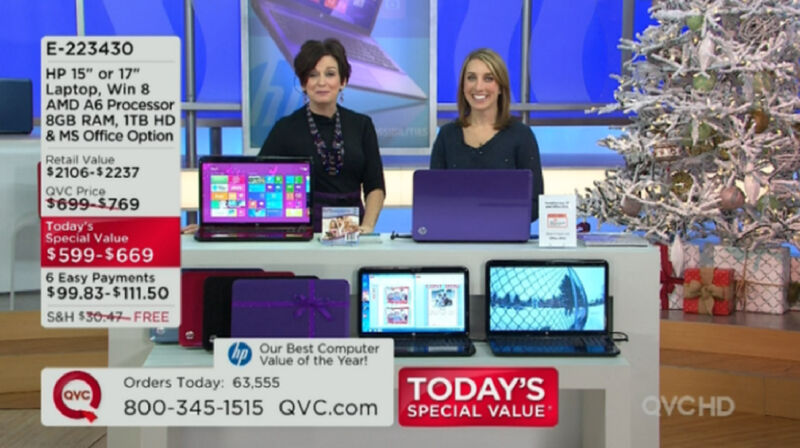
One crucial aspect that businesses need to consider is the ability to demonstrate the functionality and benefits of their products effectively. QVC tends to give businesses limited airtime, so optimizing that window is essential. A dynamic and engaging presentation – often carried out by professional presenters – is a must. Showcasing the practicality, quality, and unique features of a product can greatly improve the likelihood of making a sale.
Moreover, businesses should not overlook the power of customer testimonials on QVC. Featuring existing customers who share their positive experiences with a product can help tremendously in swaying potential buyers’ opinions. By capitalizing on social proof, businesses can create a sense of urgency for viewers to make a purchase before the offer expires.
Pro Tip: Work out where the minimum purchase order money is coming from before you submit, not after you are accepted. That stock has to be produced and held ahead of the airing, so the finance conversation, whether it is a line of credit, purchase order financing or your own capital, needs to be settled while you still have time to arrange it.
What a QVC Launch Asks of a Brand
| Factor | What the article states | What it means for you |
| Acceptance rate | About five percent of applicants secure a spot | The pitch is the filter, not a formality |
| Minimum purchase order | Typically thirty thousand to thirty five thousand dollars at wholesale cost | Stock produced and held before any result |
| Pricing expectation | About twenty percent below traditional retail, or an exclusive configuration | Model it against your existing retail partners |
| Paperwork required | Company information, W-9, Certificate of Insurance, sell sheet, product details, QVC cost, suggested retail | Gather before pitching, not after |
| Reach | Around 380 million homes worldwide | One airing can outrun a season of shelf sales |
| Repeatability | Air time is earned each time | Cannot be planned like a standing shelf placement |
What a QVC Launch Actually Costs You
Cost is the question brands ask most often about QVC and the one the channel’s own pages answer least directly. The numbers that matter are in the selection process above, and they are worth setting out together because they only make sense as a set.
| What it is | Where it lands | Why it matters |
| Acceptance rate | Only about 5% of applicants secure a spot | Most of the work happens before you are evaluated, so the application itself has to be complete and credible |
| Minimum purchase order | Typically $30,000 to $35,000 at wholesale cost | You are producing and holding thousands of units before you know whether an airing sells |
| Pricing expectation | A QVC price approximately 20% below traditional retail, or an exclusive configuration, color, size or bundle that provides additional value instead | Your on-air price is visible to every other channel you sell through |
Take the minimum order first, because that is the real cost of entry. It is not a fee you pay QVC. It is stock you fund, produce and warehouse ahead of a result you cannot predict, on a channel where the sell-through of a single airing determines whether that stock moves. A brand with the margin and the balance sheet to absorb a slow airing can treat that as the cost of a test. A brand funding the run from its only line of credit is betting the company on one broadcast window.
The pricing expectation is the one that reaches beyond QVC. A price roughly 20% below traditional retail is not a private arrangement. It is broadcast, and it is online, and the buyers at your existing retail partners can see it as easily as a shopper can. That is precisely why the alternative matters: an exclusive configuration, color, size or bundle gives the QVC customer genuine added value without putting an identical item at a lower price next to the one your retail partners are selling at full price. If you already have shelf placement, work out the bundle before you work out the discount.
Terms vary by category and by deal, and the figures above describe what brands are commonly told to prepare for, not a published rate card. Model your own cost, your on-air selling price and the margin that survives both before you apply, because you will be asked for all three.
The QVC Vendor Portal
Once you have made it through the QVC selection process, the next step is submitting your product and company information through the QVC Vendor Portal. QVC does not accept product submissions by phone or email; prospective vendors are directed to its online product submission process. Before starting the application, have your key business and product information organized and ready to submit. This should include your company information, W-9, Certificate of Insurance, product sell sheet, product details, QVC cost, and your suggested retail price.
You should also be prepared to clearly explain why your product is a good fit for QVC and how it will provide value to its customers. QVC looks for distinctive products with compelling stories and products that can come to life through live presentations across its broadcast and digital platforms. Your sell sheet should therefore make it easy for a QVC buyer to understand the product’s key benefits, target customer, competitive differentiation, retail price, and the story behind the brand.
Pricing is particularly important when preparing for a potential QVC on-air test. Your proposed QVC price needs to provide an attractive value for the QVC customer while still leaving enough margin for your business. In many cases, brands should be prepared for a QVC price that is approximately 20% below traditional retail pricing, or offer QVC an exclusive product configuration, color, size, or bundle that provides additional value. QVC itself describes exclusive products and bundles as offerings that can differ through configuration, upgraded features, or bundled products. Before submitting your application, make sure you understand your QVC cost, suggested on-air selling price, and expected margin so you are prepared if QVC requests an on-air test.
The vendor portal and the product pitch route are two different things. The pitch route is where a brand with no relationship submits. The portal is where an approved vendor administers an existing account. A login screen means you have not been set up yet, not that you were turned down.
Other Ways onto Air Besides the Pitch Form
The product pitch submission is the main door, and it is not the only one. Each of these changes how quickly you get seen. None of them changes the standard you are judged against, which is the same product, pricing and supply chain question in every case.
Open pitch and discovery events. The company runs its own public search for new products and promotes these events itself. They put a brand in front of a buyer directly, without the queue, and the preparation is the same as for the portal: a clear demonstration, your costs, your retail price and a reason the audience cares. Check the company’s own newsroom and vendor pages for what is currently running, because dates and eligibility change from year to year.
Submission platforms. Product discovery platforms are used by buyers across retail, including this channel, and a listing there puts your product into a stream that buyers actively search. It is a funnel rather than an introduction, so treat the listing with the same care as a sell sheet, and expect it to complement a direct submission rather than replace it.
Category trade shows. Buyers attend the shows where their categories live, and a booth conversation gets you a reaction in real time, which is worth more than a submission form. It also lets you demonstrate the product in person, which matters for a channel that sells by demonstration. Find out which shows the relevant buyers attend before you book space.
A rep or consultant already working with the channel. Somebody with an existing relationship like Retailbound can get your product looked at faster and, more usefully, tell you before you spend money whether it is a fit at all. What they cannot do is make an unready product ready, so use the introduction after your pricing, packaging and supply answers are solid, not instead of them.
Crafting Your Product’s Narrative for QVC
Storytelling is a powerful tool on QVC. Here are some tips to get you started.
- Engaging Storytelling: Your product isn’t just an item; it’s a narrative. Prepare to share the compelling story of your brand and product. What problem does it solve? How did it come to be? QVC viewers connect with stories, not just products.
- Visual Appeal: Before applying, ensure you have high-quality digital images of your product. QVC’s application process is stringent, and without professional-grade photos or an engaging online presence, your product won’t make it past the initial review stage.
Pro Tip: Write the story around the customer who could not solve the problem, not around how the product was invented. The audience buys the outcome it recognizes in itself. Founder origin stories work only when they end at that same recognition, and most of them do not.
Maximizing Your Product’s Impact on QVC
To ensure your product is a good fit for QVC, make robust strategies for the following.
- Market Research: Regularly watch QVC to understand their portfolio. Notice the details: price points, product categories, and the presentation style. This insight will help you tailor your product to fit seamlessly into their lineup.
- Product Differentiation: Review QVC’s non-acceptance list and align your product accordingly. It’s crucial to offer something new and innovative that complements but doesn’t replicate what’s already available.
Preparing for the Pitch
Your pitch to QVC is your make-or-break moment:
- Demonstrate that you can handle large orders. You don’t need to have a massive inventory on hand, but you do need to show potential for scalability.
- Be transparent about your wholesale costs. Include every aspect from manufacturing to shipping.
- QVC is looking for vendors who understand their numbers and can maintain profitability at the price points QVC requires.
Pro Tip: Film your own demonstration on a phone before you pitch and watch it with the sound off. If a viewer cannot tell what problem is being solved in the first eight seconds without narration, the product will not hold an audience on air, and the buyer is judging exactly that.
The Art of Selling
QVC is all about the presentation. Ace the skills discussed below.
- Live Demonstration Skills: Develop your on-air presence. Practice presenting your product in an engaging and informative way. Remember, you’re not just selling a product; you’re providing entertainment and information.
- Adapting Sales Techniques: Learn from successful QVC sellers. Adapt your sales pitch to fit QVC’s ‘story-selling’ model, where the narrative around the product is as important as the product itself.
An airing is a sales event and a content asset at the same time. The footage, the sell-through number and the fact of having been selected are all usable afterwards, in a pitch to another retailer, on your own product page and with a distributor. Brands that treat the airing as the whole return get a fraction of the value.
Here are some client examples for you to review and learn from:
Post-Acceptance: Sustaining Success on QVC
Selling to QVC comes with its challenges too. Once you’re in, it’s only then the real work begins. It is advisable to have a plan for inventory management. Businesses must be prepared to handle large volumes of orders on short notice, as success on this platform can often result in a sudden spike in demand. Therefore, ensuring efficient logistics and supply chain management is essential for sustaining the newfound growth.
Be responsive, reliable, and ready to adapt to their needs. Your goal is to become a preferred vendor that QVC trusts for quality products and consistent supply.
Lastly, keep in mind that partnering with QVC may involve sharing a portion of the profits. It’s necessary to negotiate favorable terms and conditions, ensuring that the benefits outweigh the costs.
Despite these challenges, a well-planned and executed foray with QVC can provide businesses with substantial returns on investment and increased brand awareness among their target audience.
Pro Tip: Talk to your existing retail partners about the on-air price before the airing, not after they see it. A price roughly twenty percent below traditional retail is visible to every buyer who stocks you, and an exclusive configuration or bundle is the standard way to protect those relationships while still giving QVC the value it needs.
Why Vendors Leave QVC
This is the question brands ask right before they commit, and the reason it is hard to research is that the people best positioned to answer it have no reason to. Here is the honest version. None of it means the channel does not work. It means it works for a particular kind of brand and product, and brands that are not that shape tend to leave after a cycle or two.
The economics only work at a sell-through rate not every airing reaches. A strong airing sells through and the numbers look excellent. A soft airing leaves you holding stock you funded, and unsold product comes back to you. The channel is built around items that move quickly in a short window, and not every good product does.
The minimum order commits capital ahead of the result. You pay for the run before the airing tells you anything. A large brand can absorb that outcome repeatedly while it learns what works. A small brand can absorb it a limited number of times, and running out of that capacity is the most common reason a vendor quietly stops.
Air time is not guaranteed or repeatable. A shelf holds your product every day until the review. Air time is allocated, and it depends on schedule, category performance and decisions you do not make. You cannot build a forecast on a channel that may or may not give you the same window next quarter, which makes planning production around it genuinely difficult.
The on-air price sits awkwardly beside your other retail partners. Once the price is public, your buyers elsewhere have seen it, and you will be asked about it at your next line review. Brands with significant existing shelf placement often find the conflict is not worth the volume.
Some products do not demonstrate well twice. The novelty carries the first airing. By the fourth, the audience that responds to the surprise has already bought, and the demonstration that felt remarkable now feels familiar. Products with a genuinely repeatable use case, consumable refills or a family of items behind them hold up. Single-item novelties often do not.
The operational load is ongoing and real. Fulfillment, returns processing, customer questions, inventory commitments and the administration around all of it continue between airings. That cost does not stop when the sales do.
The channel genuinely suits a specific profile: a product that solves a visible problem and demonstrates well on camera, with enough margin headroom to survive the pricing expectation, a supply chain that can produce at the minimum order and reorder quickly if an airing performs, and the capital to fund stock ahead of a result. Brands that match that description do very well here. The ones that leave are usually the ones who matched three of the four and hoped the fourth would sort itself out.
If you’re ready to bring your product into major retailers but need help navigating the process, Retailbound can guide you every step of the way. Schedule a free consultation with one of our retail experts and discover how to get your product retail-ready, connect with the right buyers, and drive long-term retail growth.
Frequently Asked Questions
How much does it cost to get your product on QVC?
There is no pitch fee, but there is a real financial commitment. Be prepared for a minimum purchase order that typically ranges between thirty thousand and thirty five thousand dollars at wholesale cost, and for a QVC price approximately twenty percent below traditional retail, or an exclusive configuration that provides that value instead.
How to get QVC to sell your product?
Submit through QVC’s product pitch route with a demonstrable product, a sell sheet, your QVC cost and suggested retail price, a W-9 and a Certificate of Insurance. Only about five percent of applicants secure a spot, so the demonstration and the story matter as much as the product itself.
Why are so many vendors leaving QVC?
Usually economics rather than dissatisfaction. The minimum order commits capital before any result is known, unsold stock comes back, air time is earned each time rather than guaranteed, and the on-air price has to sit alongside existing retail partners. Brands with margin headroom and demonstrable products tend to stay. Brands relying on one airing to fund the next tend not to.
How much does QVC take from sales?
QVC buys your product at a wholesale cost rather than taking a commission on your sale, which is why the pricing expectation matters more than a percentage. Plan on a QVC price around twenty percent below traditional retail, or on offering an exclusive configuration, color, size or bundle that delivers that value another way.
What vendors are no longer on QVC?
Assortments turn over constantly, which is normal for a channel that earns air time on performance rather than holding fixed shelf space. The useful question for a brand is not who left but why, which usually comes down to sell-through, stock commitment and whether the product still demonstrates well on a repeat airing.
About the Author
Yohan Jacob is the President and Founder of Retailbound. Retailbound is a comprehensive retail channel management consultancy that helps brands launch and scale their products in over 150+ retailers in both the US and Canada. Specializing in bridging the gap between product creators and retailers, Retailbound offers a range of services from retail strategy development, buyer engagement, sales management and channel marketing support. Whether the client is a startup or an established brand, Retailbound provides expert guidance to increase their retail presence, navigate buyer relationships, and drive sales growth both in-store and online.