- Home
- Blog
- Interview with Jonathan Chaupin of Agency 2.0: Insights from a Top Crowdfunding Marketing Agency
Advice
Interview with Jonathan Chaupin of Agency 2.0: Insights from a Top Crowdfunding Marketing Agency
An agency that turns campaigns down explains what makes a Kickstarter campaign work, what kills it, and where retail fits after it funds.
 Yohan Jacob
12 min read
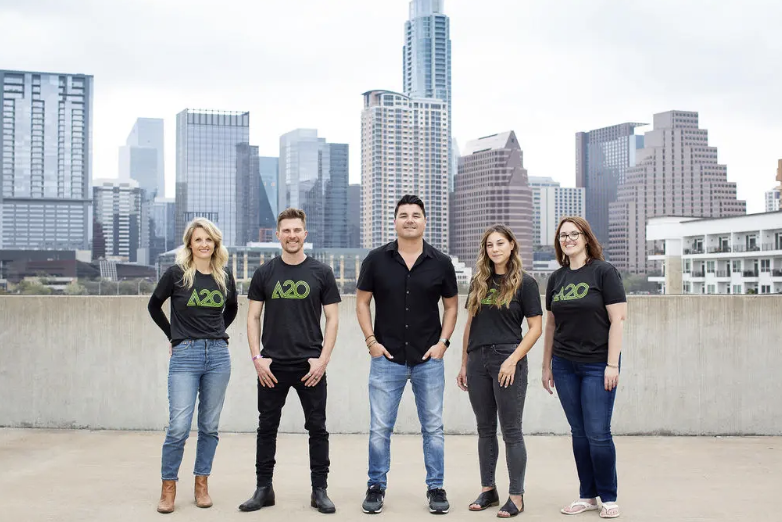
Once a quarter, we sit down with a client or agency partner to talk about trends, strategies, and lessons from product launches. This quarter we spoke with Jonathan Chaupin, Founder and CEO of Agency 2.0. Agency 2.0 is an Austin-based, full-service crowdfunding marketing agency. It has supported Kickstarter and Indiegogo campaigns since 2010. The team handles marketing, PR, copywriting, design, advertising, video production, retail strategy, and fulfillment for product launches. The big question we put to him: is crowdfunding still worth it for product brands? His answer is yes, with conditions. Here they are.
Key takeaways
- Most crowdfunding advice online is about equity and lending. On Kickstarter and Indiegogo a backer is pre-ordering a product. The obligation is delivery, not repayment.
- Agency 2.0 has supported Kickstarter and Indiegogo campaigns since 2010. It declines campaigns it does not believe will work.
- The green flags are a ready prototype, a clear MSRP and campaign price, a real ad budget, and a strong value proposition.
- The red flags are copycat products, nothing protectable, crowded categories, weak product-market fit and inflated prices. Retailers avoid the same things.
- Jonathan Chaupin says delivery windows that used to be 9 to 12 months are now closer to 6 to 9 months. Backer patience has narrowed.
- When an agency turns your campaign down, that is usually the market’s verdict arriving early and cheaply.
About Agency 2.0: What’s Your Role at the Company?
“I’m one of the original co-founders of Agency 2.0, the first dedicated crowdfunding marketing agency ever created,” Jonathan shares.
His role covers many areas. He draws on years of experience launching a wide range of products on Kickstarter and Indiegogo.
“One of my favorite parts of the job is meeting entrepreneurs for the first time. It’s a bit like a quick version of Shark Tank. They pitch their product, and I offer insights to determine whether we’re a good fit to work together. I’ve met some of the brightest, most creative founders during these calls.”
Reward crowdfunding is not the same thing as raising money
Search for advice on crowdfunding and most of what comes back is about raising capital. Financial publishers write it. It uses words like dilution and repayment. It has almost nothing to do with launching a physical product. Clear this up before you read further. The three things called crowdfunding work in completely different ways.
Reward-based crowdfunding. This is Kickstarter and Indiegogo. Backers are pre-ordering a product. You don’t give up equity. You don’t repay a loan. What you owe is delivery: a finished product, shipped, to everyone who backed you. That is the whole obligation, and it is a large one. It is an operational commitment, not a financial one. Some brands also ask about launching on Kickstarter and Indiegogo at the same time. That is a separate question, and we cover it elsewhere.
Equity crowdfunding. Investors buy a share of your company through a regulated platform. You don’t owe them a product. You owe them a stake, ongoing reporting, and whatever governance the terms set out. It is fundraising with securities rules attached. It is a different process with different advisers.
Debt or lending-based crowdfunding. You borrow from many lenders and repay with interest on a schedule. You keep your equity. You owe the money no matter how the product performs.
Read those three side by side and the question “do you pay back crowdfunding?” answers itself. It also explains why so much published advice feels beside the point. On Kickstarter or Indiegogo there is nothing to pay back. There is something to ship, which is harder.
Which one suits you depends on what you need. If you need money to build a company, that is equity or debt. If you need to find out whether anyone wants the product, that is reward-based crowdfunding. It funds a first production run from real demand. It builds an audience of buyers before you approach retail. Everything below is about that. If you have been reading financial explainers and none of it fits your product, this is why.
Are you choosing crowdfunding, or choosing an agency?
If you are still working out whether reward crowdfunding suits your product, this interview is for you. If you have already decided and you are shortlisting agencies, ask each one three things. Have they run campaigns in your specific category, not just crowdfunding in general? What kinds of campaigns do they decline, and why? Who handles fulfillment once the campaign funds? Those three answers tell you more than any case study on a homepage.
Evaluating New Clients: What Do You Look For? What Are the Red Flags?
As a full-service digital marketing agency, Agency 2.0 gets many inbound inquiries from product brands. Jonathan explains how crowdfunding has changed, and what his team looks for before taking on a campaign.
“In the early days, campaigns often launched with rough prototypes and only a general idea of manufacturing costs. After years of shortfalls and failed deliveries across the industry, today’s successful crowdfunding campaigns are far more developed. Many brands are close to production, or already have inventory ready to ship. Delivery windows that used to be 9 to 12 months are now closer to 6 to 9 months.”
Key Green Flags Jonathan Looks For
- Prototype readiness and development stage
- Clear MSRP and Kickstarter pricing strategy
- Enough advertising budget
- Strong value proposition and product benefits
Pro tip
Set your MSRP before you set your campaign price, not after. The campaign price has to look like a real early-backer deal against a retail price you can hold later. Brands that pick a campaign price first end up with one of two problems. Either they can’t fund retail margin, or they have to raise the price after backers have anchored on it.
Common Red Flags (Even Retailers Avoid These)
- Copycat or “me-too” products
- No patentable or protectable features
- Oversaturated or highly competitive categories
- Weak product-market fit
- Unrealistic or inflated price points
Would an agency take your campaign on?
The green flags and red flags above are what a specialist agency checks before it takes a campaign on. They are also a readiness check you can run on yourself for free. Do it. When an agency declines a campaign, it is usually telling you the market would have declined it too. The market just does it more expensively and several months later.
Run through them honestly.
Prototype readiness and development stage. You need a working prototype that a camera can film and a person can use. If the product still lives mainly in renders and intentions, you are not campaign-ready. The campaign will show it. Backers have learned to tell a product that is nearly real from one that is nearly designed.
A clear MSRP and campaign pricing strategy. You need to know what the product will retail for and what backers pay during the campaign. The gap between the two has to make sense. Say your campaign price undercuts your future retail price so far that no retailer could match it. You have built a problem you will meet later, on a shelf.
A real advertising budget. Reward crowdfunding is paid acquisition with a deadline. Campaigns don’t find their audience by being listed. If there is no budget to drive traffic, the plan is hope. No agency will put its name to that.
A strong value proposition and clear product benefits. Can you say what problem it solves and who has that problem, in one sentence, without describing the technology? If it takes a paragraph, backers scrolling past will never get there.
Now the red flags. They are the same ones that get a product turned down by retail buyers:
A copycat or me-too product. If the honest description is “like that, but ours,” neither backers nor buyers have a reason to switch.
Nothing patentable or protectable. Not fatal on its own. But a successful campaign publishes your idea to everyone who might copy it, and your own marketing pays to make it visible. Think about protecting your ideas and designs before you launch, not after.
An oversaturated or highly competitive category. The cost of being noticed rises with the number of people already shouting. You pay that cost in advertising.
Weak product-market fit. A product looking for a reason to exist. Founders argue with this one hardest. The market settles it fastest.
Unrealistic or inflated price points. A price that only works if backers value the product the way you do. They won’t, and a campaign is a very public way to find out.
If several of these land badly, don’t go looking for an agency with lower standards. Fix the flag and come back.
Pro tip
Run your product past the red flag list before you spend anything on video or ads. A me-too product in a crowded category with nothing protectable won’t be saved by a bigger ad budget. The budget only makes the failure more expensive. The same list is roughly what a retail buyer applies, so passing it helps whether or not you crowdfund.
Is Crowdfunding Still Worth It for New Product Brands?
Jonathan believes Kickstarter and Indiegogo are still powerful tools for product validation and early financing. But expectations have changed. For the case in favor, see our 8 reasons to use Kickstarter to launch a product.
“The market is more competitive, and backers expect reassurance that the product is real and will ship on time,” he explains.
Even in a crowded market, crowdfunding still offers big advantages:
Why Crowdfunding Is Still a Strong Launch Strategy
- Built-in exposure from Kickstarter and Indiegogo traffic
- Proof of concept before mass production
- Longer delivery windows, which give startups more room than standard e-commerce
- Financing for first production runs based on campaign demand
“If you launch on your own website, customers expect quick delivery or refunds. Crowdfunding gives startups the breathing room to do due diligence, refine manufacturing, and plan logistics efficiently.”
A campaign that misses its goal is not always the end, either. Some products go from crowdfunding flop to retail, because the campaign still taught the brand what the product needed.
Pro tip
Decide during the campaign whether this product will go to retail. The answer changes the packaging brief and the case pack before manufacturing starts. Retrofitting retail packaging after backer fulfillment means a second production run. That is the most avoidable cost in a crowdfunded product’s life.
What happens after the campaign funds
The campaign is the visible part. The obligations start the day it funds. This is the part that ends projects.
The first is manufacturing at the quantity you committed to. Funding tells you how many units you owe. That number is usually different from the one you planned around. Too few, and your per-unit cost is higher than your campaign pricing assumed. Far more, and you have a capacity problem, a tooling problem and a cash-flow problem at the same time. Either way, you are now negotiating with a factory against a public delivery date.
The second is Kickstarter fulfillment. Picking, packing, shipping, customs, duties and taxes. Backers are spread across many countries. The carrier charges by size as well as weight. Shipping costs are set months earlier, when rewards are priced. That is the most common place a funded campaign loses money it never had.
The third is communication. It is the cheapest of the three to get right. Backers forgive delays they were told about. They don’t forgive silence. A regular update, even when the news is bad, keeps a comment section from turning into a refund campaign.
And the timelines have tightened. As Jonathan puts it, delivery windows that used to be 9 to 12 months are now closer to 6 to 9 months. Backers expect a product that is nearly real, from a team that is nearly ready to ship. The slack of the early years is gone.
The fourth obligation is optional. It is also the one this site cares about most: whether the product goes on to retail. If it does, make that decision before manufacturing, not after. Retail packaging, case pack, barcodes and a price that survives a retailer’s margin are all manufacturing decisions. Find out you need them after the production run and you face a second run or a repack. Both cost more than getting it right once.
So, before you launch, decide:
- Your true unit cost at the quantity the campaign is likely to produce, not your best-case quantity.
- Real shipping costs by destination region, worked out before you price rewards.
- Who handles fulfillment, and whether they can also serve a retail order later.
- Whether this product is going to retail, and if so, what packaging and case pack that needs.
- The MSRP the product will carry at retail, and whether your campaign price can live alongside it.
- An update schedule you can actually keep for the whole delivery window.
Balancing Work and Life as a Serial Entrepreneur
Jonathan isn’t yet a husband or father. But he is an uncle, and he has learned to manage his time with intent.
“I’m most productive between 10 a.m. and 2 p.m., so I schedule important meetings and tasks during those hours. Many CEOs do the same. They plan work around their peak energy.”
Jonathan’s Time-Management Tips for Startup Founders
- Create both personal and work calendars
- Batch important tasks during peak hours
- Work smarter, not harder
- Set deadlines, and stick to them
- Build a strong team and keep refining internal processes
“It really comes down to efficiency. A solid, well-structured process is key to any company’s success.”
Working Together: Agency 2.0 and Retailbound
Retailbound and Agency 2.0 have worked together on several shared clients. Jonathan explains what sets Retailbound apart.
“Retailbound’s leadership, starting with Yohan, brings genuine care and partnership. They’re not just trying to place you in stores. They’re committed to your long-term success.”
He also points to Retailbound’s deep industry knowledge and proactive approach.
“They engage clients early to help them prepare for retail outreach. For our clients, we introduce them to Yohan and his team early to align on MOQ, sales expectations, and marketing objectives before we launch.”
Free consultation
Talk to a retail expert about your product.
We build the retailer list, the pricing model, and the buyer pitch, so your first meeting starts from your numbers instead of theirs.
Retainer only, no commission · 150+ retailers · No obligation
Frequently asked questions
Not with reward-based crowdfunding. On Kickstarter or Indiegogo backers are pre-ordering. What you owe them is the product, delivered. Equity and lending crowdfunding are different deals. Most of the advice you find online is about those two.
The obligation starts when the money arrives. You have committed to a quantity, a spec and a delivery date in public. That usually happens before manufacturing is fully costed. Campaigns fail after they fund far more often than people think. They fail in fulfillment.
For a physical product with a clear value proposition and a protectable difference, yes. It proves demand and funds the first run at the same time. For a me-too product in a crowded category, it only speeds up a result you would have got anyway.
Less than they used to. Jonathan Chaupin of Agency 2.0 says delivery windows that used to be 9 to 12 months are now closer to 6 to 9 months. Promise a window you can hold. Then tell backers early if it moves.
Copycat products, nothing patentable or protectable, crowded categories, weak product-market fit and unrealistic prices. It is close to the list a retail buyer applies. That is why a decline is information, not a rejection.