- Home
- Blog
- The Top 6 Hidden Costs Behind Recycled Packaging (and What Product Startups Should Know Before Selling to Retailers)
Advice
The Top 6 Hidden Costs Behind Recycled Packaging (and What Product Startups Should Know Before Selling to Retailers)
Is recycled packaging more expensive? The six costs product startups hit before selling to retailers, from material price to proof and chargebacks.
 Yohan Jacob
8 min read
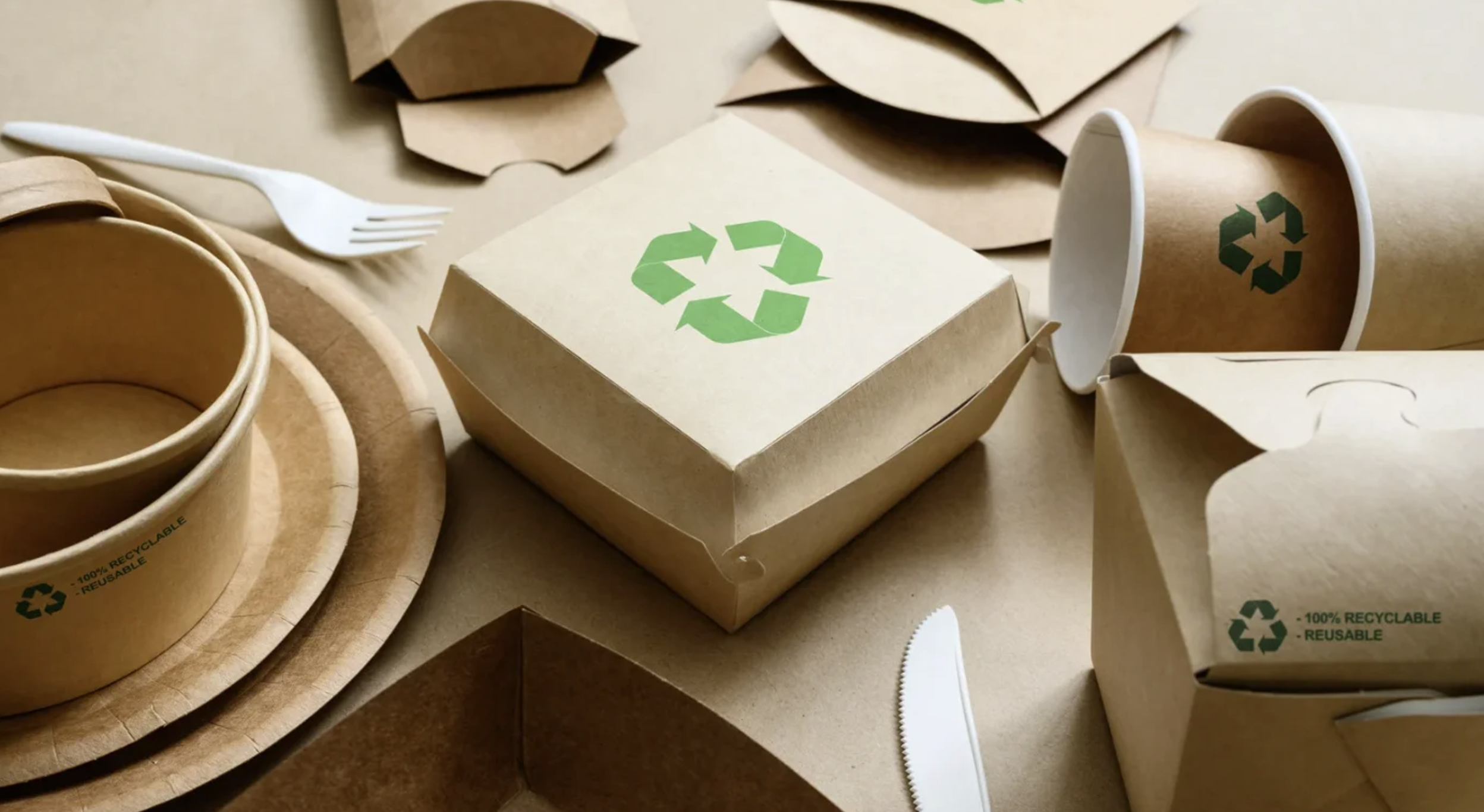
Is recycled packaging more expensive? Usually, yes. And the price per unit is only the start. Recycled packaging has become a major selling point for modern brands. Shoppers want greener products. Stores push for greener supply chains. So makers are moving to recycled stock to keep up.
Recycled packaging has real upsides for the planet: less waste, lower carbon emissions, and fewer raw resources used. But it also comes with a set of hidden costs. Those costs can hit your profit, your day-to-day work, and your retail readiness.
For product startups, above all those getting ready for big-box retail programs, these hidden costs matter. Retailers expect steady pack quality, supply they can count on, and strict proof behind any green claim. Overlook these and you risk delays, thinner margins, and strained retail ties. Packaging deserves the same care you put into developing the product itself.
Below are the main costs, in cash and in time, to weigh before you switch to recycled packaging.
Key takeaways
- Recycled packaging often costs more per unit. But the bigger costs are lead times that move, certificates and rework. None of those show up on a quote.
- Global demand for recycled plastics has been put at over 27.1 million metric tons. That is what keeps buyers chasing stock and prices rising.
- Only 20.9 percent of PET is reprocessed worldwide. So supply is patchy in a way virgin plastic is not.
- Around 50 percent of the world’s plastic is made in Asia. That makes quality control harder for startups using overseas factories.
- Retailers reject recycled packs over barcodes that will not scan and boxes that fail in transit far more often than over anything green. Both are cheap to test and costly to find out later.
- Every green claim on a pack needs proof behind it. Retail review fails claims for missing paperwork far more often than for false statements.
Quick check
Ready to Bring Your Product Into Major Retailers?
Retailbound can guide you every step of the way. Book a free call with one of our retail experts to get your product retail-ready, meet the right buyers, and grow in retail for the long term.
1. The Direct Costs of Using Recycled Packaging
Higher Material Sourcing Costs
- Recycled stock is scarce.
- Prices swing with global demand.
- Extra sorting, cleaning and quality checks.
Recycled stock, rPET above all, often costs more than virgin plastic. Demand keeps growing, but supply stays tight. Plastics Europe put global demand for recycled plastics at over 27.1 million metric tons. More buyers chase it, so prices climb.
Pro tip
Ask your supplier to quote the same pack at three recycled content levels, not just the one you asked for. The price curve between them is rarely a straight line. Brands often find that dropping from the highest recycled content to the next tier down removes most of the cost increase. And they keep a claim they can still prove and defend.
For startups selling to stores, this means pack costs may not stay stable all year. That hits margins and retail pricing plans.
Increased Production and Manufacturing Costs
- Machines need resetting for recycled stock.
- More energy used.
- More wear and tear on machines.
- More defects.
Recycled stock does not run like virgin plastic. Machines need adjusting, and runs use more energy. Patchy stock can raise defects, slow the line, and shorten the life of your machines.
50% of the world’s plastic is made in Asia. Patchy market supply can make quality control even harder, above all for startups using overseas factories.
2. The Indirect & Hidden Costs You Can’t Ignore
Quality and Performance Issues
- Color, strength and wear vary.
- More packs fail.
- More returns.
Recycled stock sometimes has lower tensile strength or off color. In retail, pack quality shapes shelf appeal and how happy the shopper is. A pack that fails can lead to product returns, chargebacks, or bad reviews. All of those hurt your retail results.
Pro tip
Print a live barcode on the real recycled substrate. Scan it at a real checkout, or with a retail-grade scanner, before you approve the artwork. Recycled stock often has lower contrast and a rougher surface than the proof. A barcode that will not scan first time is a store-level problem, and it goes straight up to your buyer.
For startups, this can shake a buyer’s trust. That is the last thing you want during your first retail launch. Run the same test before showing packaging to buyers at a trade show, too.
Supply Chain & Logistics Challenges
- Supply you cannot predict.
- Longer lead times.
- Harder storage needs.
- More risk of delays.
Only 20.9% of PET plastics are reprocessed worldwide. That makes supply patchy. Delays in collection, cleaning, and processing turn into production delays.
Pro tip
Order the material for your second production run before you need it. Agree on a lead time range rather than a date. Recycled feedstock supply moves with the scrap market. A supplier who delivered in four weeks the first time may need eight the next. A stockout in a retailer’s system costs far more than carrying the material.
For brands getting ready for retail purchase orders, above all seasonal ones, resin you cannot count on can mean missed deadlines. It can also put vendor ties at risk.
Compliance & Certification Costs
- Green certificates.
- Tests to meet the rules.
- Audit fees.
Retailers now want green data they can check. Certificates such as Cradle to Cradle, FSC, and regional packaging rules require:
- Paperwork.
- Safety tests.
- Material tests.
- Third-party audits.
Pro tip
Get certificate costs and lead times in writing before you switch substrates. Check whether the certificate belongs to you or to your supplier. If it belongs to the supplier, changing supplier later means getting certified again. That turns a sourcing decision into a lock-in you did not price.
These costs add up. Fail a check and you may face rejected shipments or retailer fines. Build that time into your schedule when planning an in-store product launch.
3. Environmental & Marketing Trade-offs
Greenwashing Risks
- Harm to your brand.
- Lost shopper trust.
- Legal fines.
Claiming to be green without third-party proof is no longer an option. Shoppers, rivals, regulators, and retailers all look harder at green claims now.
Startups must make sure their recycled-content claims are clear, backed by data, and in line with the FTC Green Guides and retailer rules.
The Challenge of Recycling Complex Packaging
- Multi-layer packs are harder to recycle.
- A bigger footprint over time.
- A mismatch with what shoppers expect.
Even a pack made from recycled material may not be recyclable again. That is true above all if it contains laminates, foils, or adhesives.
Retail buyers prefer packaging that cuts waste overall. A complex recycled pack may tick a marketing box but still add to the waste pile. That confuses shoppers and damages brand trust.
Note
Retailers now ask for the evidence behind a packaging claim during vendor onboarding, not as a follow-up. Treat that paperwork as part of the pack cost, not a marketing task. A claim with no proof will either delay your setup or have to come off the artwork after the plates are made.
4. Mitigating the Hidden Costs of Recycled Packaging
Balance Sustainability With Profitability
Long-term planning for greener packs helps cut running costs over time. Eco-friendly packs can also raise what shoppers are willing to pay. That gives your startup an edge when pitching to retailers. Factor the real pack cost in when pricing your product for retail.
Partner With Experienced Suppliers
Working with skilled packaging engineers and suppliers reduces:
- Quality problems.
- Supply chain breaks.
- Price swings.
Suppliers who know recycled stock can keep output steady, cut defect rates, and help you stay within retailer and legal rules.
5. The Future of Recycled Packaging in Retail
Recycled packaging often costs more up front. But the long-term gains make it a cost worth paying: meeting the rules, brand loyalty, retailer preference, and a smaller impact on the planet.
Stores across North America and Europe are already setting recycled-content rules. Brands that delay may face higher fines, tighter margins, and fewer retail chances down the road. Packaging now sits high on the list of what retail buyers are asking about this year.
Brands that understand the hidden costs, pick the right suppliers, and match their packs to what retailers expect are better placed. They will win shelf space and grow at a profit.
Free consultation
Talk to a retail expert about your product.
We build the retailer list, the pricing model, and the buyer pitch, so your first meeting starts from your numbers instead of theirs.
Retainer only, no commission · 150+ retailers · No obligation
Frequently asked questions
Because recycled stock is scarce, needs more work, and faces high demand. Fashion, electronics, and consumer goods all compete for it.
Indirect costs include supply you cannot predict, patchy quality, delays on the line, more defects, and certificate fees.
Work with seasoned suppliers, plan your supply chain better, and treat green packs as a long-term brand play. Together these can offset higher early costs.
Misleading green claims can harm your brand, lose shopper trust, bring retailer fines, and draw legal action.
Yes. Multi-layer or laminated packs are often hard to recycle, or cannot be recycled at all. That means more waste and higher disposal costs.
Clear, provable use of recycled stock builds brand trust. Claims you cannot prove can backfire and cause shopper or retailer backlash.
Yes. Retailers now require greener packs. Brands that delay risk falling behind rivals and missing retail chances.