Mall Shopping
Are Shopping Malls Coming Back? What It Means for Brands
Malls are changing rather than dying, and this post lays out the formats a brand can test there, what each one proves, and what it costs.
 Yohan Jacob
15 min read
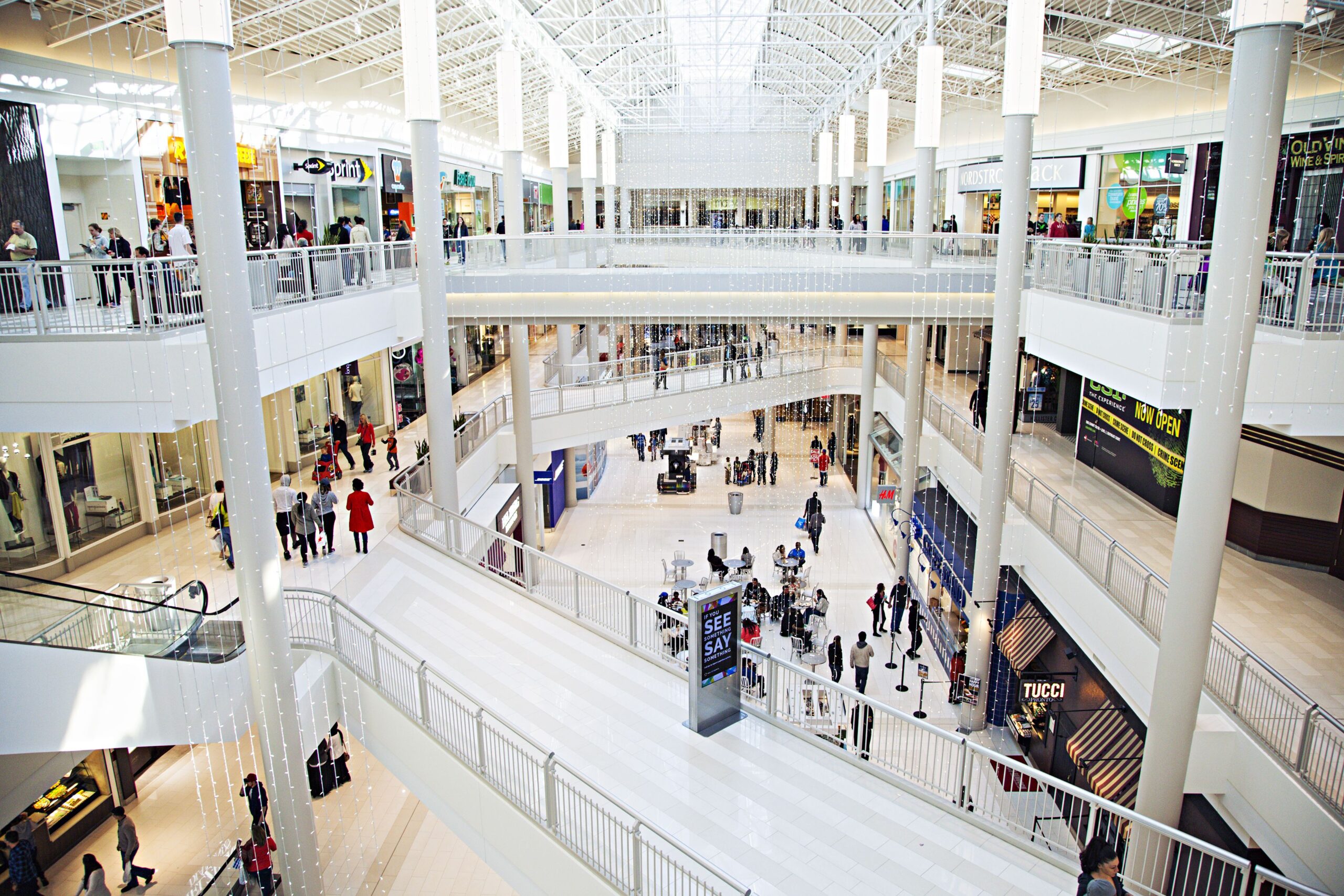
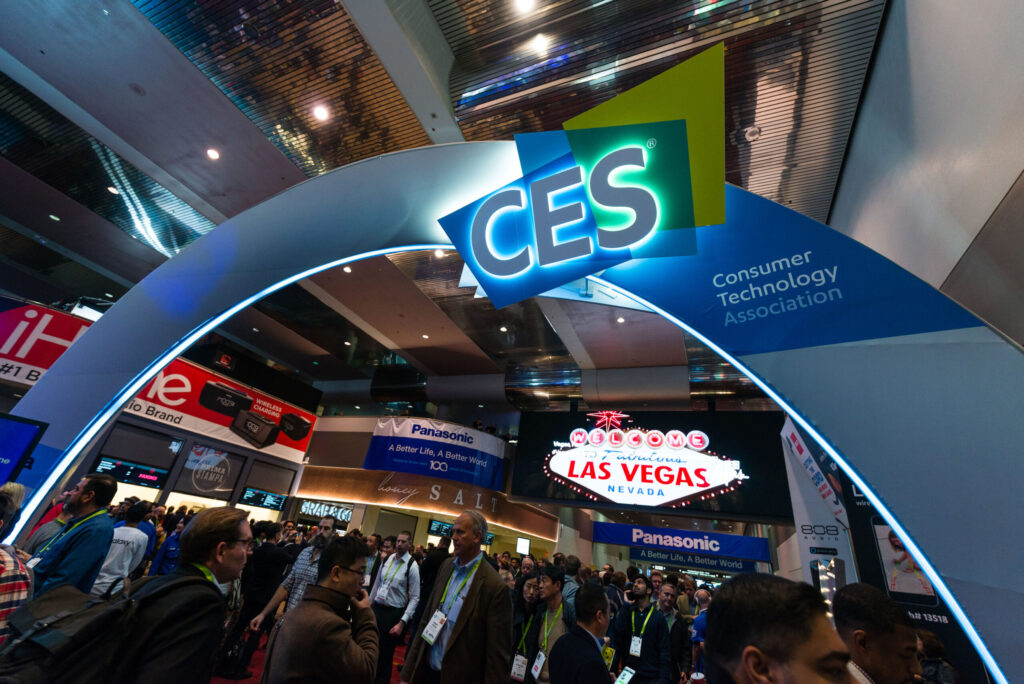
For years, shopping malls looked like victims of ecommerce, changing consumer habits and the rise of online shopping. But the mall isn’t disappearing. It is changing. Across North America, many shopping centers are rebuilding themselves around experiences, entertainment, dining, community and retail. That gives people new reasons to visit in person.
For consumer brands and product manufacturers, this shift opens up experiential retail opportunities for brands of every size. Ecommerce offers convenience. Physical stores let shoppers see, touch, test and try products before they buy. For the right brands, a changing mall is a new way to build awareness, drive trial and make sales in physical stores.
Are malls really coming back? What is driving the change in the mall experience? And what could it mean for your brand’s retail strategy? Here are the answers.
Key takeaways
- The mall is not disappearing, it is changing purpose. It is moving from a place to buy things toward a place to spend time that also sells things.
- A Capital One Shopping report found that U.S. mall foot traffic has rebounded steadily in recent years. It is growing at a compound annual growth rate of 2% across shopping centers.
- Gen Z is behind most of the current coverage. It treats a mall trip as social time and discovery, not as an errand.
- The change shows up as technology in the shopping experience, a more diverse tenant mix, and a focus on sustainability and community.
- NorthPark Center in Dallas has art installations throughout its retail space and draws over 26 million visitors a year. That is what a destination, rather than a shopping center, looks like.
- For a brand, the practical routes form a ladder: a demo day, then a kiosk, a pop-up and a shop-in-shop. The early rungs exist to produce evidence, not revenue.
Quick check
Ready to Take the Next Step?
Getting into shopping malls is only the beginning. Retailbound helps innovative product brands get into shopping malls and more than 150 other U.S. and Canadian retailers.
The Resurgence of Physical Retail
The Shift Back to In-Person Shopping
Ecommerce keeps growing. Yet shoppers are coming back to physical stores for one simple reason: they want real experiences. Touching, feeling and testing a product before buying is something a screen can’t match.
Recent data supports this shift:
- A Capital One Shopping report found that U.S. mall foot traffic has rebounded steadily in recent years. It is growing at a compound annual growth rate of 2% across shopping centers, driven largely by open-air formats and experience upgrades.
- A Deloitte study showed that nearly half of consumers now prefer a mix of online and in-person shopping.
For many people, malls have once again become social destinations. They are places to gather, eat, and spend time with friends and family.
Note
The revival is uneven. Centers with a strong location, a reworked tenant mix and a reason to visit beyond shopping are recovering. Others are not, and some are being turned into housing, healthcare or logistics space. For a brand, the question is never whether malls are back. It is whether this particular center is.
Why Gen Z is Driving the Mall Comeback
One group is behind most of the renewed interest in malls, and it is not the one people expect. It is the generation that grew up shopping on a phone.
The behavior makes sense once you separate it from shopping. Someone who has always been able to order anything does not make a physical trip to buy things fast. Speed is what the phone is for. The trip is about doing something with other people. Going somewhere, browsing without a goal, eating, taking photos, spending an afternoon. Shopping is part of it rather than the point of it. That is closer to how a mall worked before ecommerce than to the way the industry has described malls lately.
Two things follow. Discovery matters more than convenience, because nobody came to buy one specific thing fast. They came to see what is there. And the visit gets recorded. A trip with friends gets photographed and shared. So the experience keeps reaching people who were not there.
What that means for a brand:
- Your product has to be worth stopping at. A neat facing in a tidy row is designed for a shopper comparing options fast. It does nothing for someone browsing without a goal. Something has to interrupt them.
- It has to be worth showing to someone. Make a product, a display or an experience worth photographing. Then the visit reaches far more people than the ones in the store. This is not a marketing add-on. It is the main way a mall visit spreads now.
- Trying beats explaining. A shopper who came out for an afternoon will spend time with a product. A shopper in a hurry will not. That is an advantage for products that need to be handled to be understood.
- The group matters, not the individual. People arrive with friends, and the decision is often social. Products that are fun to show someone else beat products that are simply good.
- The visit is planned, not incidental. So the destination has to be worth planning around. Being in one great center is worth more than being in many.
The Rise of Experiential Retail
Modern malls are turning themselves into lifestyle destinations rather than plain shopping centers. Pop-up stores, interactive displays, gourmet dining and entertainment all give people reasons to stay longer and spend more.
Examples of successful mall transformations:
- American Dream Mall (NJ): Features indoor ski slopes, theme parks and flagship stores with interactive retail experiences.
- The Grove (LA): Blends high-end retail, live performances and outdoor leisure areas.
Case Studies of Revival
- Brookfield Place (NYC): Rebranded itself around art exhibitions, food events and wellness programs, which lifted both engagement and foot traffic.
- NorthPark Center (Dallas): Has art installations throughout its retail space and draws over 26 million visitors a year.
These examples show that malls are no longer just places to shop. They are multi-sensory experiences that mix culture, community and commerce.
Pro tip
Measure a pop-up on what it teaches you, not on what it takes. Record which product people pick up first and which question they ask. Note what they say when they put it down, and how many buyers were there for something else. That material rewrites your packaging and your buyer pitch. It is worth more than the week’s sales.
What Experiential Retail Means for a Product Brand
“Experiential retail” is used so loosely that it can mean almost anything. For a product brand deciding where to put money, it comes down to four things you can actually buy.
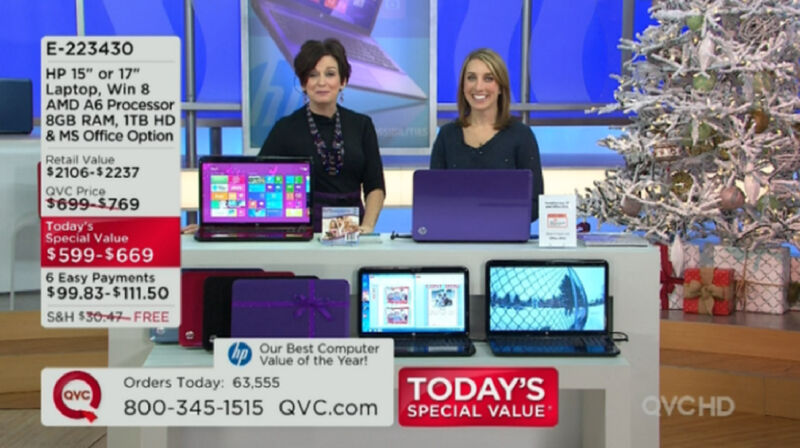
Demonstration. A person and your product in front of shoppers, using it rather than describing it. This is the oldest form, and it is still the most effective for anything whose value is not obvious from the packaging. It is also the logic behind TV shopping, where a live demo is what sells. If that describes your product, learn how to get your product on QVC too. What it proves: whether people understand the product once they have seen it work, and what they ask about it. What it costs you: staff time or a demo agency, product used and given away, and retailer permission, which is not automatic.
Environment. Your product shown in the setting it belongs in rather than on a shelf: the kitchen, the workshop, the garden, the room. It saves the shopper the work of picturing the product in their own life. What it proves: whether context changes how people value it, and which use case lands. What it costs you: a display build, floor space, and the stock to fill it.
Participation. The shopper does something with the product before deciding. They build something, try something, make something, or play with it. It turns a browser into someone who has already used your product once. What it proves: whether hands-on trial converts, and which parts of the product people struggle with. What it costs you: staffing, materials, more space, and more product used up than a demonstration alone.
Documentation. Giving the visit something worth photographing and sharing. A striking installation, a moment worth recording, something that stands out and carries your product with it. What it proves: whether the idea travels beyond the people who were there. What it costs you: design and build, and a genuine idea, which is the part that cannot be bought.
The four are not alternatives. The strongest activations combine several. Think of a setting people can take part in, staffed by someone showing the product, built so that it is worth photographing. Start with whichever one answers the objection your product actually faces. If people do not understand it, demonstrate. If they cannot picture it, build the environment. If they will not commit without trying, let them take part. If nobody knows you exist, make something worth sharing.
How Shopping Malls Are Evolving
1. Technology-Enhanced Shopping Experiences
To stay relevant, malls are adding smart technology that keeps shoppers engaged:
- AR mirrors for virtual try-ons
- Mobile apps for navigation, parking and rewards
- AI-powered chatbots for faster customer service
For instance, Westfield Malls have added digital directories and loyalty apps that make visits easier while rewarding repeat customers.
2. A More Diverse Tenant Mix
Malls are moving beyond retail to include fitness studios, coworking spaces, spas, entertainment venues and even urban farms.
At Rosedale Center (Minneapolis), a gaming arcade sits next to regular stores. It draws younger shoppers and keeps them in the building longer. That gives product brands more ways to meet customers.
Pro tip
Pick your neighbors deliberately, not your rent. In a diverse tenant mix, the dining, entertainment and service tenants decide who walks past you and at what time of day. Work out which tenant brings your customer into the building. Then ask for space near them, even if it costs more per square foot.
3. Sustainability and Community Focus
Sustainability is also pushing malls to try new things. Developers are installing solar panels and green rooftops. They are hosting farmers’ markets and local events to connect with their communities.
These green efforts are better for the planet and line up with what shoppers value. That helps both the mall’s image and its tenant brands.
Opportunities for Product Manufacturers
Use Malls for Brand Awareness and Sales
For brands, malls offer a rare chance to create hands-on experiences that drive both sales and loyalty.
Pop-up stores, kiosks and event-based marketing let brands:
- Test new markets
- Generate buzz
- Gather real-time customer feedback
Apple and Tesla have mastered this strategy. They turned mall spaces into brand showrooms you can experience. Smaller brands can do the same with short-term setups or partnerships.
Pro tip
Before you book anything, visit the center at the hour you plan to trade. Count how many people stop at the units nearest the space you are being offered. Mall leasing conversations are about the center’s overall numbers. Your result depends on one corridor, and the gap between two corridors in the same building is larger than most brands expect.
Mall Formats and Which one Fits Your Product
Malls are not one opportunity. They are a ladder of commitments, from a single afternoon to a signed lease. Most brands should start much lower on that ladder than they assume.
A demonstration or sampling day inside an existing retailer. You are a guest in a store that already stocks you. Commits you to: a day, some staff and some product. Needs from you: the retailer’s permission, a briefed demonstrator and stock in the store. Proves: whether hands-on contact lifts your sell-through in that store, measured against a normal day. This is the cheapest real test available, and almost nobody runs it first.
A kiosk or cart. A small unit in a common area, rented by the week or the month. Commits you to: a short lease and staffing for opening hours. Needs from you: stock, a payment method, staff and a small fit-out. Proves: whether your product sells to passing traffic with no retailer brand behind it. That is a genuinely hard test.
A short-term pop-up unit. A vacant store taken for a set period, from a few days to a few months. Commits you to: rent, fit-out, staffing and inventory for the term. Needs from you: a build, a team and a merchandising plan. Proves: whether your brand can hold a space on its own. It also gives you a real rate of sale per day in a real location.
A shop-in-shop inside a tenant. A defined branded area inside a retailer’s store. Commits you to: a commercial agreement with the retailer and usually a fixture investment. Needs from you: a display build, ongoing stock and often a staffing contribution. Proves: whether dedicated space outperforms a standard facing. That is the argument for more space everywhere else.
A brand activation tied to the mall’s own program. Taking part in an event the shopping center is already running. Commits you to: an event fee or a participation agreement, plus build and staffing. Needs from you: an idea that fits their program, and lead time to get approved. Proves: whether your product performs in a high-traffic, high-attention moment.
A permanent unit. Your own store. Commits you to: a multi-year lease, fit-out, staff and a fixed monthly cost whatever you sell. Needs from you: capital and the ability to run a store, which you probably do not have yet. Proves: everything, expensively.
Sequence them. Start at the bottom, because the point of the early rungs is not revenue. It is evidence. A demo day gives you a number. A pop-up gives you a better number. Both give you sell-through data. That turns your next conversation, with a retailer or a landlord, from a pitch into a negotiation.
Build Partnerships with Malls and Retailers
Many malls actively welcome brand tie-ins and joint marketing, from family events to mall-wide promotions.
Examples:
- Glossier’s pop-up shops across U.S. malls lifted sales and brand engagement.
- LEGO workshops invited customers to build creations in-store, which led to higher product sales.
- Dyson demo zones let shoppers test vacuums and styling tools, driving strong conversion rates.
Partnerships like these build brand visibility and long-term loyalty.
Pro tip
Ask a tenant before you ask the landlord. A demo day inside an existing retailer costs a fraction of a unit and needs no lease. It also produces the one thing a buyer wants from you: sell-through data from their own store. Brands go to the leasing office first because that is who advertises.
Getting Into the Retailer, Not Just the Mall
One distinction is worth being clear about, because it decides who you should be talking to. The mall is the venue. The retailer is the decision.
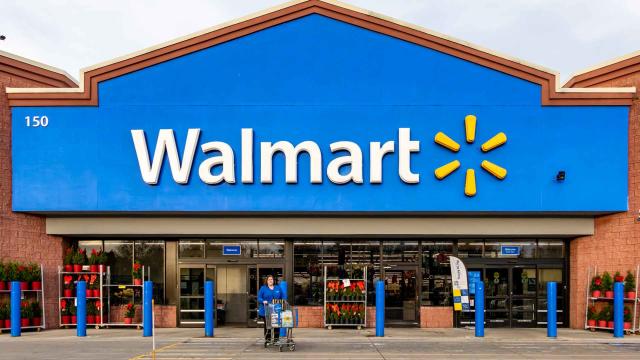
Say you want your product permanently available in shopping centers across the country. You are not asking a landlord for anything. You are asking a chain with stores in those malls to stock you. That is a buyer conversation: category fit, margin, case packs, sell-through evidence and a review calendar. Leasing agents cannot help you with that, and buyers cannot help you with leases. Brands lose months talking to the wrong party. If that is the goal, start with how to get your product into retail stores.
Where the two routes connect is in the evidence. A pop-up, a kiosk or a demo day is often the cheapest way to get the rate-of-sale data a buyer wants to see. You get it in the kind of location their stores occupy, in front of the shoppers they serve. So the sequence that works is usually this. Run a short-term activation. Measure it properly. Then take those numbers into a buyer meeting. The two routes are steps in the same plan, not alternatives.
Have you decided on a specific retailer? Our retailer guides cover the application process, vendor requirements, buyer expectations and review timelines for the major chains, one by one. Start with how to get your product into Target or how to get your product into Best Buy.
The Future of Shopping Malls
Malls as Community Anchors
Tomorrow’s malls will be more than shopping centers. They will serve as community anchors that combine retail, workspaces, health services and entertainment in one place.
“Retailtainment”, where retail meets recreation, is becoming a core design principle. These mixed-use spaces will give product brands even more ways to put their products in front of the right audiences.
Emerging Innovations
The newest malls are experimenting with:
- AI-driven personalization based on real-time shopping behavior
- Digital twins, virtual mall layouts that blend online browsing with in-person pickups
- AR and VR experiences for storytelling and product demos
These changes will alter how shoppers find and engage with brands in physical spaces.
The Bottom Line: Don’t Miss the Mall Revival
Shopping malls are back, and they are better than ever. For product brands, this revival is a golden chance to reconnect with shoppers in real, hands-on ways that ecommerce alone can’t provide.
Now is the time to rethink your retail strategy and explore mall partnerships. Put your brand where customers are once again eager to shop, explore and engage.
Free consultation
Talk to a retail expert about your product.
We build the retailer list, the pricing model, and the buyer pitch, so your first meeting starts from your numbers instead of theirs.
Retainer only, no commission · 150+ retailers · No obligation
Frequently asked questions
Many already have, but unevenly. Centers with a strong location, a reworked tenant mix and a reason to visit beyond shopping are recovering. Others are being redeveloped for other uses. For a brand, the useful question is not whether malls are back in general. It is whether the specific center you are considering is performing.
Gen Z is the group most of the current coverage credits. The behavior behind it is what matters to a brand. A mall trip is treated as social time and discovery, not as an errand. That favors products worth stopping at, trying and showing to someone. It works against products that only make sense when compared on a shelf.
In part, a different version of the mall itself, with dining, entertainment, services and community events alongside retail. Where centers have not adapted, the space is often turned into housing, healthcare or logistics. Very little of it is being replaced by nothing. That is why the brand question is which format to use, not whether to bother.
Retail built around what the shopper does rather than what is on the shelf. In practice that means four things. A demo. The product shown in the setting it belongs in. The shopper taking part rather than watching. And a visit with something worth photographing. The point is that the visit itself carries information a product page cannot.
The best-known examples fall into a few formats. Stores where you can use the product rather than only look at it. Spaces built around a single activity. Installations and art that make a center a destination. Short-run pop-ups that exist to be visited and shared. NorthPark Center in Dallas is a center-level example, with art installations throughout its retail space.
That is a buyer conversation, not a leasing one. You reach the category buyer for the chain you want. You bring retail-ready packaging, costing that holds at their volume, and proof the product sells. A pop-up or a demo day is often the cheapest way to produce that proof. That is why the two routes work in sequence.