How to Become a Vendor and Get Your Product Into Stores
Every big retailer has its own door, portal, review calendar and rules, and every one of them decides the same way: does the product sell, does the money work at their volume, can you supply, does it fit the shopper, and why now. Pick the retailer below for how that store buys in 2026, or start with how the process works everywhere.
For hardlines brands already selling. Free call, no obligation.
- Who this is forHardlines brands with a product that already sells, online, on Amazon, through crowdfunding or in stores
- What buyers decide onProven demand, margin at their volume, a supply chain that scales, fit with the range, and timing
- How Retailbound worksA dedicated consultant, a flat monthly fee, no commission, from the first pitch to the reorder
- Where our clients sellBest Buy, Walmart, Target, Costco, QVC and other major retailers
Since 2008150+ retailers200+ manufacturer sales reps
Ready to Get Your Product Into Retail Stores?
Schedule your free retail consultation. Tell us about your product and business. We'll evaluate your retail readiness, the channels that fit, and whether Retailbound is the right partner. No obligation, no pressure.
If you're a fit, our team will contact you to arrange your consultation. We use your details only for that.
Eleven Retailers, Eleven Ways In
Each page covers how that retailer buys, what it requires before a buyer will look, the guides our team has written for its suppliers, and the questions brands ask about it.
 Most demand
Sell to Walmart
The biggest door in retail, with the most process behind it: supplier or Marketplace, Supplier One, Open Call and the category review calendar.
How Walmart buys
 Most demand
Sell to Target
Two doors, one retailer: the Supplier Intake Form for store shelves, Target Plus for the marketplace, and a buyer who decides by category calendar.
How Target buys
 Most demand
Sell to Costco
A narrow assortment, a club pack and a member value test: Costco buys differently, and most first deals start small.
How Costco buys
 Most demand
Sell to The Home Depot
The biggest home improvement door, with a published 60-day review, a Supplier Hub and a merchant who asks pro or DIY first.
How Home Depot buys
 Strong demand
Sell to Amazon
Marketplace seller or first-party vendor, and how to run Amazon beside physical retail without your own listing undercutting the shelf.
How Amazon buys
 Strong demand
Sell to Lowe's
One Vendor Gateway for prospects and existing suppliers, no published review timeline, and a merchant who wants to know which shopper you serve.
How Lowe's buys
 Strong demand
Sell to Best Buy
Three routes in, a partner portal that publishes the process, and buyers who weigh attach rate and returns as hard as the product.
How Best Buy buys
 Strong demand
Sell to QVC
Television shopping sells by demonstration: the pitch route, the vendor portal, the minimum order and why QVC and HSN are two separate doors.
How QVC buys
 Specialist
Sell to CVS
A four-foot drugstore shelf where every new item replaces an old one: the right CVS vendor route, supplier systems and category review calendar.
How CVS buys
 Specialist
Sell to Staples
Three supplier systems that look alike, four channels with different asks, and a compliance manual that decides the margin you keep.
How Staples buys
 Specialist
Sell to Dick's Sporting Goods
Two supplier routes, a private label the merchant controls, seasonal buying windows and item-level RFID: the account where compliance decides more than the pitch.
How Dick's buysHow Selling to a Retailer Works
The portals differ. The decision does not. A category buyer, on a review calendar, with limited shelf space, is answering five questions about your brand. Here is the path from first contact to the reorder.
- 1
Prove the Product Sells Before You Pitch
Buyers want evidence, not hope. Sales on your own site, on Amazon, through a crowdfunding campaign or in smaller stores give a buyer per-store, per-week numbers they can trust. Regional chains and independents are easier to win and produce exactly the data a national buyer asks for. Brands that arrive with velocity, reorder rates and reviews skip the hardest objection.
What buyers look for before they say yes - 2
Find the Right Buyer and Get a Meeting
Large retailers rarely publish buyer contacts, and a cold application can sit for months. Trade shows, trade press, distributors already in the category, manufacturer reps who know the buyer, referrals from current suppliers and the retailer's own supplier programs all get a real person to look at your product, which is the single hardest step.
How to get a retail buyer's name - 3
Walk In Retail-Ready
A buyer meeting is decided before it starts: landed cost and margin modeled at the retailer's volume, capacity and lead times you can hold, packaging that sells itself on the shelf, a marketing plan that brings shoppers to it, and a clear answer to what your product replaces. Walk the store first. Know the category, the private label and the price points.
How to prepare for a buyer meeting - 4
Win the Line Review
Categories are reviewed on a cycle, and the review is where shelf space is won and lost. Lead with the category and what your item adds that the range and the private label do not. Bring the numbers at their volume and the proof it already sells elsewhere. A no is usually about timing, evidence or capacity, so ask what would have to be true for a yes.
How buyers evaluate brands in line reviews - 5
Plan for the Yes, Then Earn the Reorder
The first purchase order brings a working capital gap, routing guides enforced with chargebacks, deductions against invoices, and a short window to prove sell-through. Vendor terms, compliance, promotions, in-store support and stock planning decide whether the first order becomes the second. Getting on the shelf is only the beginning; keeping it there is where the value is.
The buyer said yes: what comes next
Your Retail Sales Team, From the First Pitch to the Reorder
A dedicated Retailbound consultant becomes your retail sales team and takes the buyer meetings, the vendor terms and the sell-through plan off your desk. We are paid a flat monthly fee, never a commission, so we work your category instead of whatever sells fastest.
People Who Have Sat on the Buyer's Side
Our consultants have been retail buyers and category managers. They know what a buyer is answering about you and build the pitch around those questions, with the evidence attached.
Eighteen Years of Buyer Relationships
In retail since 2008, across 150 retailers, 25 distributors and 200 manufacturer sales reps. We know who buys your category and how they like to be approached, at the retailers on this page and the ones that are not.
Numbers That Hold at Retail Volume
We model landed cost, allowances, chargebacks, freight and promo funding at the volumes a national rollout needs, so the purchase order you win is one your margin and your factory can carry.
One Consultant, Every Monday
One dedicated consultant, 32 hours a month, a weekly call and a one-page report every Monday. Each consultant is capped at five clients, and most clients stay about three years, then hand a working retail business to their own team.
Our clients' products sell at

From a $600K Kickstarter to Major Retailers
We helped Ultrahuman build its retail strategy and land QVC, Best Buy, Costco, Walmart and other major retailers. The result: a product that went from crowdfunding to a growing U.S. and Canadian retail presence.

Have a product with sales traction and a retailer in mind? Let's find out which door to knock on first.
Book a free consultation. We will tell you where your brand stands, which retailer to pitch first, and whether Launch and Grow is the right fit.
Guides for Selling to Retail Buyers
How buyers decide, how to reach them, how to pitch and negotiate, and what happens after the yes. Plus vendor guides for the retailers that do not have a page of their own yet.
 The guide
 On the shelf
Top 10 Mistakes New Retail Vendors Make (and How to Avoid Them)
Breaking into retail can be an exciting yet challenging journey for entrepreneurs, inventors, and small suppliers. At Retailbound, we’ve spoken with hundreds of product...

How to Prepare for a Retail Buyer Meeting and Ace Your Presentation
If you want to get your product on retail shelves, meeting with a retail buyer is one of the most critical steps in the...
Read the guideWhat Retail Buyers Look For Before They Say Yes
For a product brand, walking into a retail buyer meeting can feel like stepping onto a stage without a script. You know your product...
Read the guide
How to Meet Retail Buyers at CES 2027
CES 2027 is one of the biggest opportunities of the year for innovative product brands to showcase new products, meet retail buyers, connect with...
Read the guide
How to Get Your Product into Ace Hardware (2026 Vendor Guide)
Getting your product into Ace Hardware can be a significant growth opportunity for brands in hardware, home improvement, lawn and garden, outdoor living, sporting...
Read the guide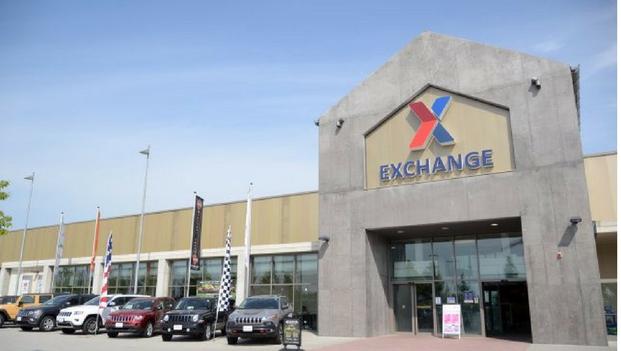
How to Get Your Product into AAFES and Military Exchanges (2026 Vendor Guide)
For innovative consumer product brands looking to expand beyond traditional retail channels, military exchanges can be an attractive and often overlooked sales opportunity. The...
Read the guide
How to Get your Product into PetSmart, Petco, and Chewy (2026 Vendor Guide)
The U.S. pet industry continues to be a significant opportunity for innovative product manufacturers, with pet owners consistently investing in products that improve the...
Read the guide- How to Get Your Product Into Sam’s Club (2026 Vendor Guide)
- 5 Things NOT to Do When Pitching to a Retail Buyer (and What to Do Instead)
- How Retail Buyers Evaluate New Brands During Line Reviews
- How to Pitch Your Product to a Retail Buyer
- What Retail Buyers Look for in New and Emerging Product Brands
- How to Negotiate with Retail Buyers: Expert Tips for Success
- Mastering Retail Line Reviews: How to Win Your Next Category Review with a Retail Buyer
- How to Get a Retail Buyer’s Name: A Complete Guide for Product Sellers
- Top 5 Problems Distributors Face with Their Product Vendors (and How to Fix Them)
- How to Get Your Product Into Retail Stores: A Step-by-Step Guide for eCommerce Brands
- How to Approach Large Retail Buyers
- How to Pitch to Retail Buyers Without Sounding Like a Startup
- How to Build Strong Retail Buyer Relationships That Last
Becoming a Vendor, Answered
Straight answers from people who have sat on the buyer's side of the desk.
Every large retailer runs a supplier application or vendor registration, and every one of them tells you the paperwork: a registered business, tax ID, barcodes, insurance, EDI and a routing guide. What the application does not do is get your product bought. A category buyer decides that, on a review calendar, from proof that the product sells, margin at the retailer's volume and a supply chain that can scale. Build those three before you apply, and use trade shows, reps, distributors and referrals to get a person to look.
Online sales are your evidence. Unit velocity, review volume and return rate are the numbers a buyer trusts, so track them from day one. Then prove the product works on a physical shelf at a smaller retailer, where packaging, price point and sell-through can be measured per store per week, before you approach a national chain. What works in a parcel often fails in a store, and buyers know it.
Sometimes. A distributor already selling into your category can be the foot in the door at a big-box retailer, and some retailers prefer to buy certain categories that way. You still have to sell the product to the retailer; the distributor makes the buying simpler for them. Our distributor guide covers when a distributor helps, what it costs in margin, and the problems distributors have with new vendors.
Retailers rarely publish buyer names. The reliable routes are the retailer's own supplier programs, trade shows where the category's buyers walk the floor, trade press, manufacturer reps and distributors who already sit across from the buyer, and warm introductions from current vendors. A cold email to a name found online is the least effective of all of them.
Longer than the application suggests. Category reviews run on a calendar, so a submission can wait until the category next opens, and a yes is followed by onboarding, item setup and a first purchase order that has to be funded and shipped to spec. Brands that arrive retail-ready and time their approach to the review window move fastest. Brands that resubmit the same file do not move at all.
Nothing you could not learn over several years and several expensive mistakes. What we bring is the buyer relationships, the category knowledge, the pricing models that hold at volume, the vendor terms that protect your margin, and the sell-through plan that keeps you on the shelf, run by a dedicated consultant who has sat on the buyer's side of the desk. We only take hardlines brands that are already selling, and we will tell you on the first call whether you are ready.
Your Next Purchase Order Starts With One Call
Book a free consultation. We will tell you where your brand stands, which retailer to pitch first, and whether Launch and Grow is the right fit.
- Free call, no obligation
- For hardlines brands already selling
- A retail professional, not a salesperson