Sell to CVS: Get Your Product Into CVS Stores
CVS runs several supplier systems, a merchandise route that is easy to confuse with the facilities and services process, and a buyer who manages a fixed four-foot section where every new item pushes an old one out. Here is how the process works in 2026, what CVS asks for before a buyer will look, how the category review calendar sets the pace, and how a dedicated Retailbound consultant gets your pitch to the person who owns your category.
For hardlines brands already selling. Free call, no obligation.
- Vendor routeMerchandise supply, separate from the facilities, services and diversity sign-ups
- Supplier systemsSTIBO MDM for new supplier setup; the DSD Vendor Portal for direct store delivery items
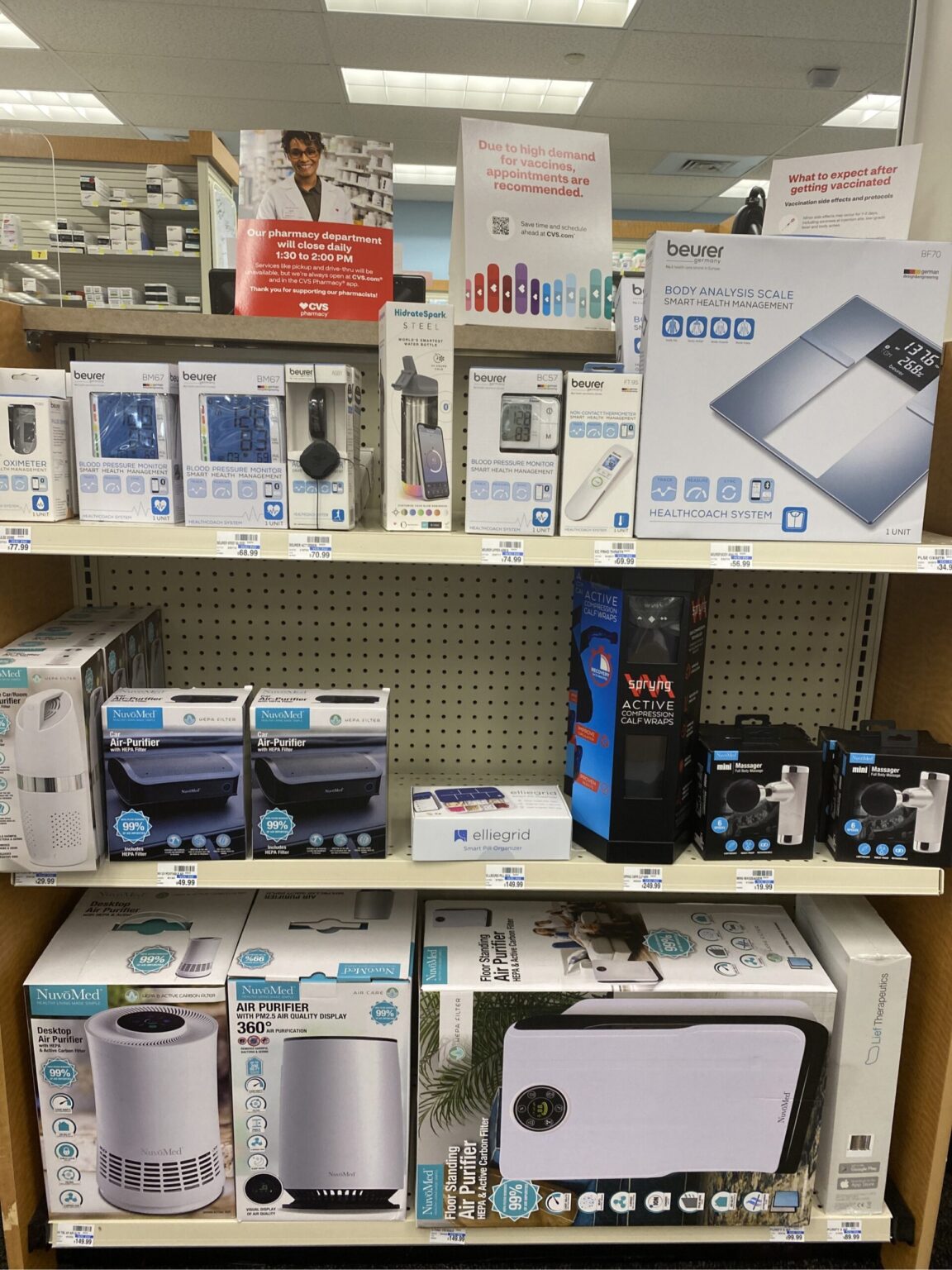
- The shelfA four-foot drugstore section with narrow facings, where each new item replaces one
- When buyers decideOn the category review calendar, a few times a year, not on request
Since 2008150+ retailers200+ manufacturer sales reps
Ready to Get Your Product Into CVS?
Schedule your free retail consultation. Tell us about your product and business. We'll evaluate your retail readiness, the channels that fit, and whether Retailbound is the right partner. No obligation, no pressure.
If you're a fit, our team will contact you to arrange your consultation. We use your details only for that.
How Selling to CVS Works in 2026
The portal is the easy part. The brands that get a purchase order fit the drugstore shopper, register in the right system, tell the buyer what their product replaces, and time the pitch to a category review that is already on the calendar.
- 1
Confirm You Fit the Drugstore Shopper and the Shelf
CVS serves a wide range of people, from young adults to health-minded families to seniors, and favors wellness, convenience and beauty. That shopper is not the one you would court at Target, and a pack built for a supermarket aisle end may not fit a narrow drugstore shelf. Ask whether your product solves a problem for these shoppers, whether your price is realistic for drugstore retail, and whether it is too niche: teen-only beauty trends and ultra-premium skincare rarely fit.
The CVS shopper, in the guide - 2
Register in the Right CVS System, on the Merchandise Route
CVS Health uses several supplier systems, and which one applies depends on how you supply. New suppliers and vendor numbers are set up in STIBO MDM. Direct Store Delivery suppliers maintain item costs and case-pack data in the DSD Vendor Portal. Facilities, services and construction vendors use a different process, and it ranks highest in search, so brands land there by mistake. Registering qualifies your company. A person still makes the merchandising call, and that person needs a reason to open your submission.
The CVS supplier systems, in the guide - 3
Build a Pitch That Names What You Replace
Drugstore buyers manage a fixed section, so a pitch that adds a product without removing one asks them to do work you have not done. Pick a slow item in the section and say why yours earns that space. Keep the rest short and backed by data: what the product is and the problem it solves, why it fits these shoppers, sales traction such as ecommerce data, Amazon reviews, retail wins and repeat sales, certificates or clinical results if you have them, samples, sell sheets and pricing.
The data-driven pitch, in the guide - 4
Follow Up on the Category Review Calendar
CVS reviews categories on a calendar, not all the time, and that explains almost all of the waiting. Your submission is routed to a category, a buyer compares it against what is stocked, and nothing becomes actionable until the category comes up for review. At first contact, ask when your category is next reviewed, and anchor every follow-up to that date. A brand that emails weekly against a review held a few times a year is a problem. One that checks in once, with something new, just before the review is useful.
How long the process takes, in the guide - 5
Cost the Account Before You Agree a Price
Most guides stop when the buyer says yes. That is where the work starts: EDI for purchase orders, shipping notices and invoices, item setup and product data kept current, barcodes and case labels to the exact standard, routing and delivery windows on every order, and category compliance such as WERCS registration where it applies. Miss any of them and the cost comes off your invoice as a deduction. Cost these duties before you agree to a price, because a price agreed at the start is very hard to move in year one.
What a drugstore vendor account requires to run
What CVS Requires From a New Vendor
The supplier systems ask for company and product data. The buyer asks harder questions: does the pack fit the facing, does the margin survive the promo price, what gets delisted, and can you supply a rollout. CVS publishes its own supplier documents on onboarding, product setup, compliance, shipping and EDI; those are the authoritative list, and this one tells you what to look up.
Packaging Sized for a Four-Foot Section
Drugstore facings are narrow and the shelf is often shallower than brands expect. A pack that is too tall, too deep or too wide for its facings is a problem whatever is inside it, and small type or low contrast fails at shelf height in store lighting.
Case Pack, Carton and Labeling Rules
CVS sets packaging and labeling rules, case pack and carton rules and category-specific rules, published through its supplier documents. Item barcodes, case labels and shipping labels must meet the exact standard, because a small format error repeats on every carton and produces deductions at scale.
A Margin That Survives the Promo Price
The chain's margin is only part of the picture. Distribution, promo funding and the category's normal promo cadence all come off. A product that makes money at full price but loses money at the price it sells at most weeks is one a buyer cannot use.
EDI for Orders, Shipping Notices and Invoices
Purchase orders, advance shipping notices and invoices flow by EDI in a set format; a spreadsheet is not an option. Build it, subscribe to a service provider who translates it, or sell through a distributor who already has it. It is a setup project with a lead time.
Complete Item Data in the CVS Systems
New suppliers and vendor numbers are set up in STIBO MDM, and Direct Store Delivery suppliers keep item costs and case-pack data current in the DSD Vendor Portal. Dimensions, weights, case configurations, contents, images and regulatory details all have to be complete; an incomplete record delays or blocks orders.
Category Compliance, Including WERCS Where It Applies
Some products need extra compliance steps before they can ship, and CVS names WERCS registration as one of them. Find out what applies to your category before you quote a ship date, not after, and complete the onboarding documents CVS says suppliers should review.
Routing Guide and Delivery Window Compliance
CVS tells you which carrier, which facility, which appointment and which window. Ship early, late, to the wrong door or with the wrong paperwork and there is a cost, and it applies to every order. You find out when the payment arrives short.
Supply and Stock That Cover a Rollout
A buyer does not want to run a successful test and then fail to scale it. If your capacity, lead times and reorder response are vague, the risk of a national stockout outweighs the upside. Know your launch quantity, store count and reorder answer before the decision stage.
How Retailbound Gets You Into CVS
A dedicated consultant becomes your retail sales team, from the first buyer pitch to the reorder. Retailbound has worked retail strategy, buyer outreach and channel marketing across more than 150 U.S. retailers since 2008, and a drugstore pitch is a category argument we know how to make.
The Delist Answer, Worked Out Before the Pitch
A CVS buyer manages a fixed section, so we build your pitch as a category argument: which slow item yours replaces, why the section is better off, and the traction that proves it. The buyer gets the analysis done, not a product to think about.
The Right Buyer, Through a Door That Works
Distributors with CVS relationships, rep groups that know the drugstore category, and referrals reach a buyer faster than a portal submission alone. Eighteen years across 150 retailers, 25 distributors and 200 manufacturer reps mean we know who owns your category and how they like to be approached.
Pricing That Survives the Promo Cadence
We model your margin after distribution, promo funding and the price the item will sell at most weeks, then add the EDI, item setup and compliance duties that start the day the purchase order lands. The price you agree in month one is one you can still live on in month four.
After the Yes
Vendor and item setup in the CVS systems, EDI, product data, routing guide compliance and a follow-up cadence set to the category review calendar, with deductions tracked and disputed. One consultant, 32 hours a month, a weekly call and a one-page report every Monday, and never more than five clients at once.
Our clients' products sell at




From a $600K Kickstarter to Major Retailers
We helped Ultrahuman build its retail strategy and land QVC, Best Buy, Costco, Walmart and other major retailers. The result: a product that went from crowdfunding to a growing U.S. and Canadian retail presence.

Have a personal care, beauty or wellness product with sales traction and CVS on the list? Let's look at whether it is your right first door.
Book a free consultation. We will tell you where your brand stands against what CVS asks, whether CVS or another retailer should come first, and whether Launch and Grow is the right fit.
Guides for CVS Vendors
The long-form guides behind this page, written by people who have sat on the buyer's side of the desk.
 CVS
 Inside CVS
How to Get Your Product in Walgreens or CVS (2026 Vendor Guide)
Getting your product into Walgreens or CVS can be a significant growth opportunity for consumer brands looking to expand beyond ecommerce and direct-to-consumer sales....
Selling to CVS, Answered
Straight answers from people who have sat on the buyer's side of the desk.
Decide first which kind of supplier you mean. A product brand wants the merchandise route, through the CVS supplier systems and the direct store delivery resources. Construction, property and services vendors use a different process, and because it ranks highest in search it is easy to land in the wrong place. Before you register, prepare your company and product data, barcodes and a price that works after distribution and promo funding, and expect to complete the onboarding and compliance documents CVS says suppliers should review.
CVS Health uses several supplier systems rather than one portal, and which you use depends on how you supply. New suppliers and vendor numbers are set up in STIBO MDM. Direct Store Delivery suppliers maintain item data, including costs and case-pack details, in the CVS DSD Vendor Portal. CVS also publishes supplier documents on onboarding, product setup, compliance, shipping and EDI. Registering collects and qualifies your company; a buyer still has to be given a reason to open the submission.
Nobody publishes a timeline, and from first outreach to shelf it can take months or even years. The shape is six stages: submission and routing, buyer review, the category review window, decision and commercial terms, vendor and item setup, then the first purchase order shipped against a reset date. The review window explains most of the waiting, because categories are reviewed on a calendar. How long depends on the category, whether you are a line extension or a new subcategory, and whether you go direct or through a distributor.
Distribution differs by category, so the real question is narrower: do you supply through the chain's distribution network, through a wholesaler or distributor, or direct to store as a DSD supplier? That choice changes your margin, your minimum order and how much compliance work you carry. DSD suppliers keep their authorized items, costs and case-pack data current in the DSD Vendor Portal. Settle the route before you quote a price, because the price is very hard to move once agreed.
CVS buys across many categories from many suppliers, so there is no single answer. The chain is a strong fit for personal care, beauty, wellness, over-the-counter products, household basics and other consumer goods that solve a problem for a wide range of shoppers, from young adults to health-minded families to seniors. Seasonal fit helps: sunscreen for spring and summer, immune supplements for fall and winter, beauty gift sets for the holidays. Very niche items rarely fit a drugstore shelf.
It happens all the time, and the reason is rarely product quality. The pack does not fit its facings. The margin works at full price but not at the promo price the item sells at most weeks. There is no answer to what gets delisted. The pitch arrived outside the review window. Supply cannot cover a rollout. Or the packaging fails at shelf height in store lighting, which a buyer can see in seconds from a sample. All six can be answered before the meeting.
No, and nobody honest does. A CVS buyer decides, on the category review calendar, with your evidence in hand. What we do is make sure the evidence exists, the pitch names what it replaces, the margin holds after promo funding and compliance costs, and the submission reaches the person who owns your category. If CVS is not your right first door, we will tell you which retailer is.
Your CVS Purchase Order Starts With One Call
Book a free consultation. We will tell you where your brand stands against what CVS asks, whether CVS or another retailer should come first, and whether Launch and Grow is the right fit.
- Free call, no obligation
- For hardlines brands already selling
- A retail professional, not a salesperson