
Sell to QVC: Get Your Product On-Air at QVC and HSN
QVC sells by demonstration, not by shelf. Only about five percent of applicants secure a spot, the minimum purchase order is stock you fund ahead of the airing, and the on-air price is visible to every retail buyer who already stocks you. HSN sits in the same group with its own buying team and its own door. Here is how the pitch route works in 2026, what the channel asks of a brand, and how a dedicated Retailbound consultant gets you ready for the camera.
For hardlines brands already selling. Free call, no obligation.
- ReachAround 380 million homes worldwide, through live television, streaming and digital commerce
- Who gets onAbout five percent of applicants. The demonstration is the filter
- Before you pitchCompany information, W-9, Certificate of Insurance, sell sheet, QVC cost and suggested retail price
- QVC and HSNSame group, separate buying teams and separate submission routes. Pitch each on its own
Since 2008150+ retailers200+ manufacturer sales reps
Ready to Get Your Product Into QVC?
Schedule your free retail consultation. Tell us about your product and business. We'll evaluate your retail readiness, the channels that fit, and whether Retailbound is the right partner. No obligation, no pressure.
If you're a fit, our team will contact you to arrange your consultation. We use your details only for that.
How Getting On-Air at QVC Works in 2026
The pitch form is the main door, not the only one, and the standard is the same at every door: a product that demonstrates well, a price that works at television retail margins, and a supply chain that can fund and fill the minimum order before the airing tells you anything.
- 1
Check Whether Your Product Demonstrates on Camera
QVC looks for products that fit its customer base, offer clear value and can be demonstrated well on air. Apply the filter yourself first. Film your demonstration on a phone in one take and watch it with the sound off. If a viewer cannot tell what problem is being solved in the first eight seconds without narration, it will not hold an audience. Something should visibly change, work on the first attempt every time, and be doable by a host who met the product shortly before airing.
Preparing for the pitch, in the guide - 2
Know the Numbers Before You Submit
Only about five percent of applicants secure a spot, and the ones who do are financially ready for a minimum purchase order that means supplying thousands of units at wholesale cost. That stock is produced and held ahead of the airing, so settle where the money comes from, whether a line of credit, purchase order financing or your own capital, before you submit. Expect a QVC price roughly twenty percent below traditional retail, or offer an exclusive configuration, color, size or bundle that adds the value instead.
The selection process, in the guide - 3
Submit Through the Product Pitch Route
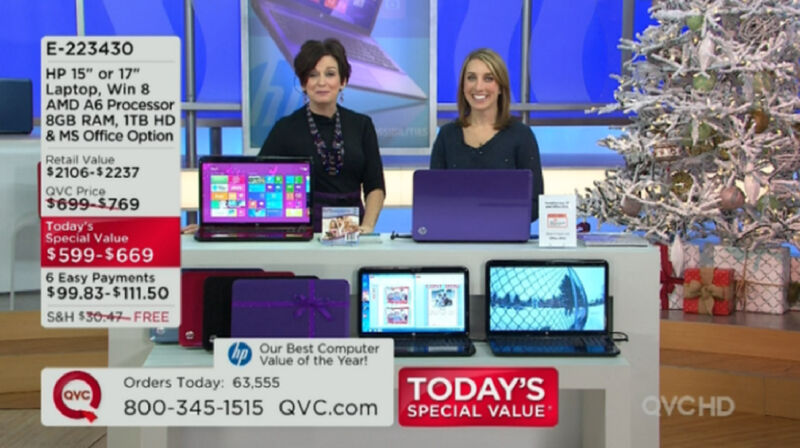
QVC does not accept product submissions by phone or email; prospective vendors go through its online product submission process. Have your company information, W-9, Certificate of Insurance, sell sheet, product details, QVC cost and suggested retail price organized before you start, with professional-grade photos, because the application is strict about them. Open pitch and discovery events, product discovery platforms, category trade shows and a rep already working with the channel can get you seen faster. None of them changes the standard you are judged by.
The submission and the vendor portal - 4
Pitch HSN on Its Own Merits
HSN is part of the same group as QVC, with its own buying team, its own documents and its own submission route. An approval at one does not carry across, and the audiences and programming differ, so watch both before deciding which fits your product. Pitch the better fit first, then use the sell rate as evidence for the second conversation. Pitching both at once doubles the inventory commitment with no guarantee either airing repeats. A no that points at fit rather than readiness makes the other channel a fair next conversation.
HSN or QVC, and whether to pitch both - 5
Plan for the Airing and What Comes After
Ask what you are committing to in units and in dates before you agree to an airing date, and get it in writing. Inventory in position, packaging and labeling to the channel's spec, cleared product claims, samples for the host and production team, a rehearsed demonstration and a plan for unsold stock all fall due before a unit sells. Afterward, track sell rate per minute of air, because that is the number that earns a repeat slot, and talk to your existing retail partners about the on-air price before they see it.
After acceptance, in the guide
What QVC Requires From a New Vendor
The paperwork is the short list. The long list is commercial: a product that demonstrates, a price that survives the on-air expectation, and the capital and supply chain to fund stock ahead of a result you cannot predict. The channels' own vendor pages are the only authoritative list; use this one to know what to look up.
Company Information, W-9 and Certificate of Insurance
The business documents QVC asks for in its online submission. Have them organized before you start, together with product details and your sell sheet. QVC does not accept product submissions by phone or email.
A Sell Sheet With Cost, Retail Price and Story
Key benefits, target customer, point of difference, retail price and the story behind the brand, laid out so a buyer grasps them fast. Know your QVC cost, your suggested on-air selling price and the margin that survives both.
Professional Photos and an Online Presence
The application process is strict. Without professional-grade product images and an engaging online presence, the product does not get past the first review. Watch the channel regularly so your price points and presentation match what already airs.
Capital for the Minimum Purchase Order
The minimum order is not a fee paid to QVC. It is stock you fund, produce and warehouse ahead of a result you cannot predict, running to thousands of units at wholesale cost. Unsold product comes back to you.
Margin Headroom for the On-Air Price
Brands are commonly told to prepare for a price roughly twenty percent below traditional retail. That price is broadcast and online, where your other retail buyers can see it. Model cost, on-air price and surviving margin before you apply.
An Exclusive Configuration or Bundle
The standard way to protect existing retail partners while still giving the QVC customer real value. QVC describes exclusives as offerings that differ through configuration, upgraded features or bundled products, rather than the identical item at a lower price.
A Supply Chain That Can Reorder on Short Notice
Success on air brings a sudden spike in demand. QVC looks for items that can be mass-produced with a balance of quality and scale, and for vendors who can handle large order volumes quickly and reorder fast if an airing performs.
Cleared Claims, Samples and a Plan for Unsold Stock
Anything said on air has to be supportable, so performance claims, comparisons, materials and certifications are reviewed. The host and production team need working samples that are never sold. Decide before the airing where any remainder goes.
How Retailbound Gets You On-Air at QVC
A dedicated consultant becomes your retail sales team, from the first pitch to the reorder, on television and on the shelf. Our clients' products sell at QVC today, and the people running your account have sat on the buyer's side of the desk.
The Demonstration Test, Run Before You Spend
Does the benefit show without narration, does something visibly change, and can a host do it after a briefing? We run that filter with you, and tell you honestly when a product belongs on a shelf or a spec sheet instead of on camera.
A Pitch Package Aimed at the Right Channel
One strong package, with your sell sheet, costs, retail price and product story, framed for QVC or HSN depending on where your product fits. A consultant who already works with the channel can get it looked at faster, and can say before you spend whether it is a fit at all.
Pricing That Protects Your Other Shelves
We model your QVC cost, on-air price and surviving margin, then work out the exclusive configuration or bundle before the discount, so the price that goes out on air does not undercut the partners who got you here. Our clients' products sell at Walmart, Target, Costco and Best Buy too.
After the Yes
A funding plan for the minimum order, inventory in position, claims cleared, samples supplied and the unsold-stock plan written before a date is booked. Then sell rate per minute tracked and reported in the buyer's terms. One consultant, 32 hours a month, a weekly call and a one-page report every Monday.
Our clients' products sell at




From a $600K Kickstarter to Major Retailers
We helped Ultrahuman build its retail strategy and land QVC, Best Buy, Costco, Walmart and other major retailers. The result: a product that went from crowdfunding to a growing U.S. and Canadian retail presence.

Have a product that demonstrates and QVC on the list? Let's look at whether on-air is your right next door.
Book a free consultation. We will tell you whether your product demonstrates, where your brand stands against what QVC and HSN ask, whether television or a shelf should come first, and whether Launch and Grow is the right fit.
Guides for QVC and HSN Vendors
The long-form guides behind this page, written by people who have sat on the buyer's side of the desk.
 QVC
 Inside QVC
How to Get Your Product On-Air at QVC (2026 Vendor Guide)
Getting your product on-air at QVC can be a powerful opportunity for an emerging consumer brand to reach a large audience, generate sales, and...
Selling to QVC, Answered
Straight answers from people who have sat on the buyer's side of the desk.
Yes, in a specific way. Only about five percent of applicants secure a spot, and the filter is the demonstration more than the product. QVC buyers look for items that fit their customer base, offer clear value and come to life in a live presentation. Your pricing, packaging, inventory capacity, sales history and story all play a part. A product that cannot show its benefit in seconds rarely clears the first review, however well it sells elsewhere.
There is no pitch fee, but there is a real financial commitment, and no single number covers it. The real cost of entry is the minimum purchase order: thousands of units at wholesale cost, produced and warehoused ahead of an airing whose sell-through you cannot predict. Add samples that are never sold, packaging to the channel's spec and the margin given up to an on-air price roughly twenty percent below traditional retail. Model all of it before you apply.
QVC buys your product at a wholesale cost rather than taking a commission on your sale. That is why the pricing expectation matters more than any percentage: plan on a QVC price around twenty percent below traditional retail, or on an exclusive configuration, color, size or bundle that delivers that value another way. Partnering with QVC may mean sharing a portion of the profits, so negotiate good terms and make sure the benefits outweigh the costs.
Usually economics rather than unhappiness. The minimum order commits capital before any result is known, and unsold stock comes back. Air time is allocated on schedule and category performance rather than guaranteed, so you cannot forecast production around it. The on-air price sits awkwardly beside your other retail partners. And some products do not demonstrate well twice: novelty carries the first airing and feels familiar by the fourth. Brands with margin headroom, repeatable products and capital tend to stay.
Neither is better in general. The two networks sit under the same group but run separate buying teams, separate documents and separate submission routes, and an approval at one does not carry across. They have distinct audiences and programming styles, so watch both and pitch the one your product clearly suits. Then take the sell rate to the second conversation as evidence. Pitching both at once doubles the inventory exposure, with no guarantee that either airing repeats.
Acceptance and air time are two different decisions. Clearing the submission means your company and product meet the basic requirements; a buyer then weighs your product against everything else competing for the same minutes. Once approved, you manage the account through the vendor portal, which is where an approved vendor works rather than where a new brand pitches. Before any date is booked, ask what you are committing to in units and dates, and get it in writing.
No, and nobody honest does. A buyer decides, against everything else competing for the same minutes, with your demonstration and your numbers in hand. What we do is run the demonstration test before you spend, build the pitch package for the channel that fits, model the price so it does not undercut your other shelves, and get the commitments in writing before a date is booked. If television is not your right next door, we will tell you which retailer is.
Your First Airing Starts With One Call
Book a free consultation. We will tell you whether your product demonstrates, where your brand stands against what QVC and HSN ask, whether television or a shelf should come first, and whether Launch and Grow is the right fit.
- Free call, no obligation
- For hardlines brands already selling
- A retail professional, not a salesperson