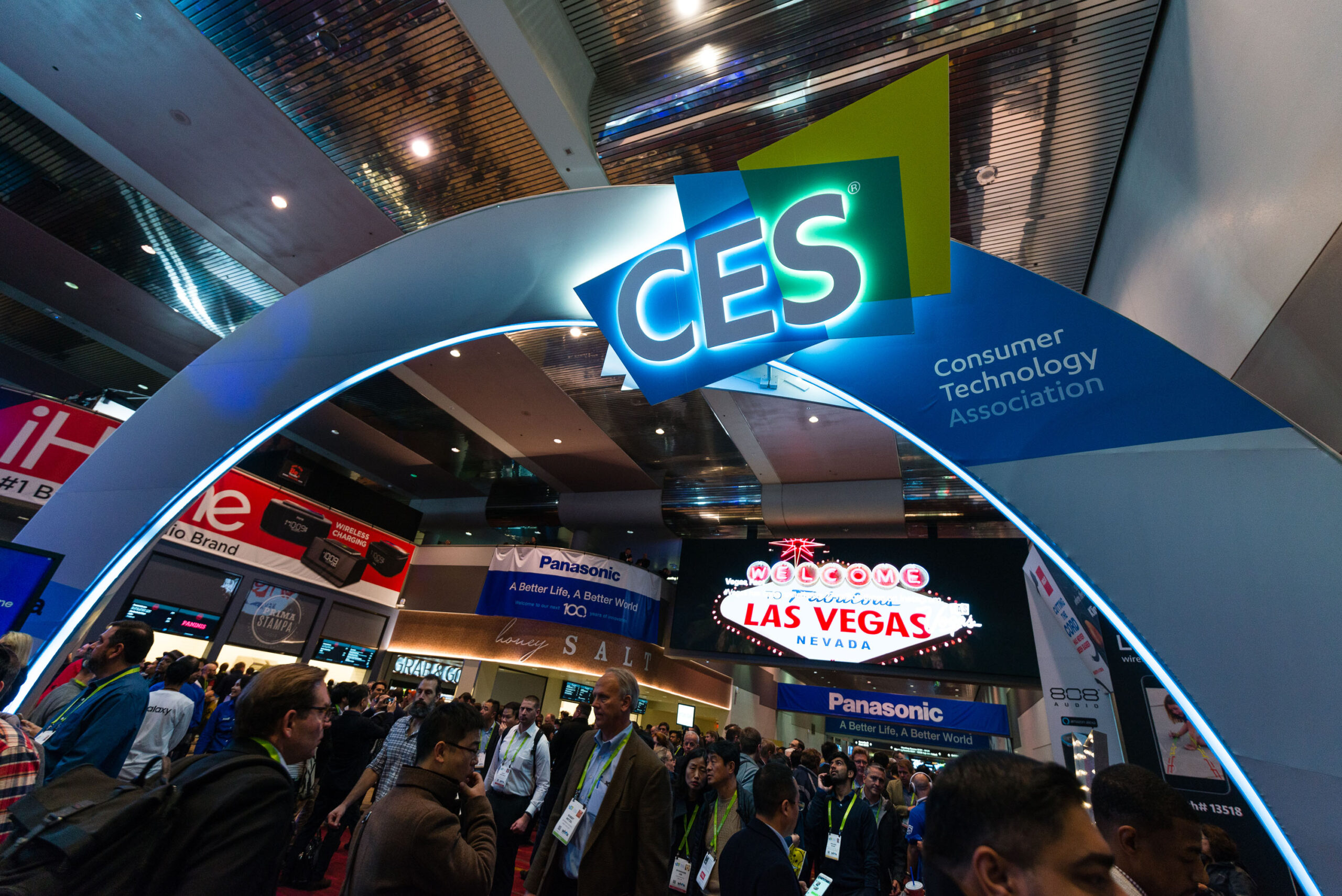
CES 2027 is one of the biggest opportunities of the year for innovative product brands to showcase new products, meet retail buyers, connect with distributors and business partners, generate media attention, and build relationships that can accelerate growth. Taking place January 6–9, 2027, in Las Vegas, CES brings together technology companies, retailers, investors, media, and industry professionals from around the world.
But simply attending CES — or even exhibiting — isn’t enough to guarantee results. With thousands of exhibitors, a massive show floor, and countless competing products and events, you need a strategy to make the most of your time and investment. In this guide, we’ll share practical CES 2027 tips for preparing before the show, making meaningful connections during CES, showcasing your product effectively, and following up afterward so you can turn CES conversations into real business opportunities.
Key Takeaways
- CES 2027 runs January 6 to 9, 2027 in Las Vegas, so meaningful buyer outreach has to start well before the show rather than at it.
- Buyer meetings are booked before the show. Waiting to be found on the floor is the most common reason a brand leaves with nothing.
- Decide before you book what would have to happen for the show to have been worth it, and write it down.
- A retail buyer in your booth is checking whether the packaging is finished, whether there is a real price, and whether you can supply. Those answers matter more than the demo.
- Follow up within days. A message sent three days after the show competes with almost nothing, one sent two weeks later competes with every other show the buyer attended.
- For some brands a focused category trade show puts them in front of more relevant buyers than CES does.
Ready to Take the Next Step?
Going to CES 2027 is only the beginning. Retailbound helps innovative consumer electronics product brands launch and grow into 150+ U.S. and Canadian retailers.
What to Expect at CES 2027
As the premier global stage for consumer technology, CES offers a first look at products and innovations before they reach the mass market. In 2027, attendees should expect major advancements in:
- AI-driven smart home ecosystems
- Autonomous and electric vehicles
- Health and wellness technologies
- Immersive virtual and augmented reality
- Next-generation robotics and automation
This year’s expo will include thousands of exhibitors — from industry giants to high-growth startups — providing a comprehensive view of how technology is reshaping every aspect of life, work, and entertainment.
Top Innovations to Watch in 2027
1. Smarter, More Personalized Smart Homes
AI-powered systems will take center stage, allowing home appliances and connected devices to anticipate user behavior. Expect features like:
- Recipe-generating refrigerators
- Mood-responsive lighting
- Predictive home energy management
These innovations highlight the shift toward intuitive, seamless living.
2. Electric and Autonomous Vehicle Breakthroughs
CES 2027 will showcase the future of mobility:
- Longer-range EV batteries
- Faster and more efficient charging
- Advanced driver assistance and safety systems
Autonomous capabilities will be a major focus, as manufacturers race toward full self-driving functionality.
3. Next-Gen Wearables and Health Tech
Wearable technology continues to evolve beyond fitness:
- Real-time biometric monitoring
- Early illness detection
- Improved sleep and stress tracking
Expect wearables designed for consumers of all ages — not just athletes.
How CES 2027 Will Impact Key Industries
Consumer Electronics
Products will trend toward interoperability and ecosystem connectivity, creating frictionless user experiences across devices.
Healthcare & Wellness
Telemedicine tools, diagnostic devices, and home health monitoring will make care more accessible, affordable, and proactive.
Entertainment & Media
VR/AR advancements will introduce more immersive gaming, virtual collaboration, and digital content creation.
How to Get Retail Buyer Meetings Before you Arrive
Retail buyers do attend CES, and almost none of them will wander into your booth by accident. The ones worth meeting arrive with a route, a category list and a calendar that filled up weeks ago. If you want to meet them, the work happens before you get on the plane.
1. Work out which retailers send buyers to your category. Not every chain attends, and the ones that do send people responsible for specific departments. Start from the retailers you actually want and find out whether their category team comes, rather than assuming that every retailer sends everybody.
2. Confirm they are attending rather than hoping. Use the show’s exhibitor and attendee resources, any matchmaking or buyer program CES runs, and your own network. Ask distributors, reps and other brands in your category who they are meeting. A confirmed attendee is worth ten guesses.
3. Reach out weeks ahead, not during the show. A message sent while somebody is walking a hall in Las Vegas does not get read. A message sent well before, when they are planning their week, does.
4. Ask for a specific short slot. Twenty minutes, on a named day, at your booth or wherever works for them. “Come and see us” puts the work on them and gets ignored. A concrete time is a yes or no they can answer in one line.
5. Give them a reason tied to their assortment. Not that you are launching. What your product adds to the section they are responsible for: a price point that is missing, a shopper who is not being served, a subcategory that is growing where they have no answer. Buyers respond to their own problems, not to your milestone.
6. Confirm in the week before, and again the day before. Schedules collapse at CES. A confirmation is the difference between a meeting and an empty slot.
7. Have something to leave that works without you. A one-page sell sheet with the product, the retail price, your wholesale price, the case pack and your contact details. They will look at it on a plane home, surrounded by everything else they collected.
Most of this outreach will get no reply, and that is normal rather than a failure. When it happens, work the floor instead: the show’s retail and buyer programming, the conference sessions where merchants speak, the awards and pavilion areas that merchants walk, and the other exhibitors in your category who already sell to the retailers you want. Meetings you did not book still happen, they just happen somewhere other than your booth.
Tips for Product Manufacturers Attending CES 2027
CES is a major opportunity for brands to get discovered, validated, and funded. To maximize visibility:
Craft a Clear Product Story
Explain the problem your product solves and why it matters. Strong storytelling increases media and buyer engagement.
Pro Tip: Write two versions of your pitch, one for media and one for a buyer, and know which you are giving within the first sentence. A journalist wants what is new about it. A buyer wants who buys it, at what price, and what it sits next to. Giving a buyer the press version is the fastest way to be politely thanked and never contacted again.
Use Interactive Demonstrations
Allow attendees, influencers, and retail buyers to test your product. Hands-on experiences create memorable impressions.
Pro Tip: Rehearse the demo until it works on the first attempt every time, including when the room is loud and the WiFi is bad. A show floor is the worst environment your product will ever be shown in, and a buyer who watches a demo fail once will not wait for the second attempt. Build it to run without a network if it possibly can.
Optimize Your Booth Experience
Make your booth visually appealing, accessible, and reflective of your brand identity.
What a Retail Buyer is Looking at in Your Booth
A journalist, an investor and a retail buyer all walk past your booth and look at three different things. Booth advice is almost always written for the first two. Here is what the buyer is checking while you are demonstrating.
Is the packaging finished, or is it a mockup? This is the first and most decisive check, and it happens in seconds. A buyer can tell a printed sample from a production pack instantly, and a mockup tells them you are months away from being able to ship. They usually do not say so. They say something polite and move on.
Does it look like it belongs next to what they already stock? They are visualizing it on their shelf, beside the brands in their assortment. If the presentation, quality level or price positioning is obviously out of step with their section, the answer is no regardless of how good the product is.
Is there a price, and does it make sense? They want retail price, wholesale cost and the margin in between. A founder who cannot say those numbers without checking has answered a different question than the one asked, and the answer is that you are not ready.
Can you supply at volume? They are estimating whether a company with this stand, this team and this stage could fill an order across hundreds of stores. Capacity, lead times and what happens if it sells faster than forecast are all live questions in their head while you are talking about features.
Can anyone here answer a commercial question? If the only person who knows the numbers is in a meeting, the buyer leaves without the information they came for. Every person on the stand should be able to hand off properly and, ideally, answer the basics.
Is it obvious in three seconds what this does? They are walking a hall with a category list. If your signage and packaging do not say what the product is and who it is for from the aisle, they never stop to find out.
Leverage Social Media Before, During, and After CES
Live demos, behind-the-scenes videos, and daily updates can multiply exposure beyond your booth traffic.
Pro Tip: Post what you are launching before the show, not during it, and say where you will be. Buyers and media plan their route ahead of time, and a brand that announces on day two is asking people to change a schedule that is already full. The posting that matters most happens in the weeks before anyone lands in Las Vegas.
What To Do in the Two Weeks After CES
Every guide to CES stops when the show does. The two weeks afterward is where the money either appears or does not.
Sort contacts by whether they can buy. Before anything else, split what you collected into people who make or influence buying decisions at a retailer, people who could distribute or represent you, press, and everyone else. These four groups need completely different messages, and sending one message to all of them wastes the only warm window you have.
Write follow-ups that reference something specific from the conversation. The product they asked about, the question they raised, the concern they mentioned, the store they said they were thinking about. A generic “great to meet you at CES” is indistinguishable from the hundred others they received, and it proves you do not remember them.
Send what you promised within days, not weeks. If you said you would send pricing, a sample, a spec sheet or an introduction, send it while they still remember agreeing to it. This is the single most common failure after a trade show and the easiest one to avoid.
Separate the buyers who asked for pricing from the people who took a card. A request for cost, case pack or terms is a process starting. Those contacts get a proper commercial follow-up and a named owner in your business. The rest go on a list you nurture. Treating both the same way means the real opportunities get the same attention as the polite ones.
Handle the “come back when you have more distribution” answer properly. It is not a rejection, it is a condition. Ask what level would change the answer, write it down, and put a date in your calendar to go back when you have it. Most brands hear it as a no and never return.
Write down what you learned about your category while it is fresh. Competitor pricing, what the stands in your section were leading with, the questions shoppers and buyers kept asking, what surprised you. Within two weeks most of this is gone, and it is one of the most valuable things the trip produced.
The timing argument is simple and it is worth saying plainly. A follow-up sent three weeks after the show competes with every other conversation that buyer had at every show they attended that quarter. A follow-up sent within three days competes with almost nothing, because nobody else has sent theirs yet.
A retail buyer at CES is scouting, not buying. Almost nobody writes an order on a show floor, and treating a good conversation as a sale is how brands come home optimistic and empty-handed. The objective of every buyer conversation at the show is a scheduled follow-up, not a decision.
Attending CES as a Tech Enthusiast or Innovator
Plan Your Schedule in Advance
With so much to see, prioritize the halls, product categories, and sessions you care about most.
Network With Intention
Talk to exhibitors, join discussions, and meet other industry professionals. CES is full of future collaborators and potential partners.
Pro Tip: Write down your target retailers before you go and check each morning whether anyone from them is speaking or on a panel that day. Programming is where buyers are findable and stationary, which the show floor is not. Ten minutes with a list beats an afternoon of walking aisles hoping to be approached.
Take Breaks to Avoid Overload
The show floor is massive. Step away to reflect, recharge, and absorb what you’ve seen.
Is CES Worth It for Your Brand
Nobody who sells exhibit space is going to tell you that CES might be the wrong show for you. So here is the honest version of the decision.
There are three ways to be at CES, and they are very different commitments.
Attending without exhibiting. You buy a badge and walk the show. It costs you registration, flights, a hotel during the most expensive week of the Las Vegas year, and several days of your time. What it gets you is a view of your category, a read on who is doing what, meetings you arranged yourself, and a much better idea of whether exhibiting next year makes sense. For a brand that has never been, this is frequently the right first move and almost nobody does it.
Exhibiting in the startup area. A small, uniform stand, usually in or near the dedicated startup space, often through a country, regional or university pavilion. Costs less than a full stand, and the pavilion structure may cover some of the extras. What you get is visibility with press, investors and accelerators, plus proximity to other early-stage companies. What it asks of you is preparation time, a working product and staff for the full show. What it does not reliably get you is retail buyers, who tend to walk the category halls where the assortment they manage lives.
Taking a full stand in a category hall. Space priced by size and location, plus booth build, graphics, drayage, electrical, internet, freight and staff. This is a substantial investment and it puts you where the category buyers actually walk. It asks for months of preparation, several people on site, and a follow-up operation after the show.
How to decide. Before you book anything, write down what would have to happen for this to have been worth it. Not “raise awareness.” Something countable: four buyer meetings with named retailers, two sample requests, one distributor conversation, coverage in three publications your buyers read. Then ask honestly whether the format you are considering can produce that. If the answer is no, you have saved yourself a very expensive week.
And be willing to reach the conclusion the organizer will never suggest: CES may be the wrong show for you. For many product categories, the trade show serving that specific category puts you in front of far more relevant buyers, for far less money, with far less noise. Hardware, housewares, outdoor, pet, sporting goods and dozens of other categories all have shows where the buyers come specifically to see products like yours. If your buyers are not at CES, its size is not an advantage.
Costs change every year and are published by CES. Get the current numbers from the official exhibitor pages. What drives them up: stand size, corner and aisle positions, custom build over rental, late orders on venue services, heavy freight and late hotel booking. What drives them down: a pavilion place, a rented modular stand, ordering services before the advance deadline, and booking rooms early.
Three Ways to be at CES and What Each One Asks of You
| Attend only | Startup exhibit area | Full stand | |
| What it realistically gets you | Meetings you booked, plus market intelligence | Discovery by people walking that area | Presence buyers and media expect to see |
| Preparation needed | Outreach and a schedule | Outreach, a finished demo, collateral | All of that plus build, staffing and logistics |
| Staffing | One or two people | At least two, all day, every day | A rota, because nobody lasts four days alone |
| Main risk | Nobody knows you were there | Traffic without buyers in it | Cost outrunning the value of the meetings |
| Best for | Testing whether CES is your show | Brands with a finished, demonstrable product | Brands with distribution to defend or expand |
Sustainability and Ethical Tech at CES 2027
Expect to see larger conversations and product showcases centered around:
- Eco-friendly materials and circular design
- Energy-efficient devices
- Ethical AI and responsible data use
With consumers demanding transparency and accountability, companies will highlight how they prioritize environmental and social responsibility.
Final Thoughts: Why CES 2027 Matters
CES 2027 will be a landmark event, shaping global trends across consumer electronics, automotive innovation, smart homes, digital health, AI, sustainability, and more.
For manufacturers, innovators, and tech enthusiasts, CES is the perfect place to gain insights, build relationships, and prepare for what’s next in the industry.
Whether you’re walking the show floor or participating virtually — this is your chance to experience the technologies that will define the next generation.
Thinking About Launching Your Product in Retail?
If you’re ready to bring your product into major retailers but need help navigating the process, Retailbound can guide you every step of the way. Schedule a free consultation with one of our retail experts and discover how to get your product retail-ready, connect with the right buyers, and drive long-term retail growth.
Frequently Asked Questions
Where will CES be in 2027?
CES 2027 takes place in Las Vegas from January 6 to 9, 2027. The show spreads across several venues rather than sitting in one hall, which matters for planning, because moving between them takes far longer than the map suggests and it is the most common reason booked meetings get missed.
How to get into CES 2027?
Registration runs through the official CES site and is open ahead of the show. The more useful question for a brand is which kind of pass and presence you need, because attending, exhibiting in a startup area and taking a full stand are three different commitments with three different outcomes.
How much does it cost to have an exhibit at CES?
Exhibit costs come from the official CES exhibitor sales pages and depend on how much space you take, where it sits and which program you exhibit under. The costs brands underestimate are the ones around it: build, shipping, staffing for four days, travel and accommodation in Las Vegas during the show. Budget those before you decide the booth is affordable.
Is CES still relevant today?
For consumer technology it remains the show retailers, media and investors attend. Whether it is relevant to your brand is a narrower question that depends on whether the retailers you want actually send buyers to your category. For some products a focused category show puts you in front of more of the right people for less money.
Can the general public go to CES?
CES is a trade event rather than a consumer show, and registration is intended for industry attendees. For a brand that matters in a practical way: the people walking past your booth are largely professionals, so your stand should be built to answer commercial questions rather than to entertain shoppers.
About the Author
Yohan Jacob is the President and Founder of Retailbound, a retail channel management consultancy that helps product brands grow their retail presence. Retailbound specializes in retail strategy development, buyer engagement, sales management, and channel marketing support—empowering both startups and established brands to scale in-store and online.