Selling To Retail
How to Get Your Product into Apple Stores (2026 Vendor Guide)
Which part of Apple to approach, what MFi certification does and does not get you, and how to prepare for a merchandising conversation.
 Yohan Jacob
15 min read
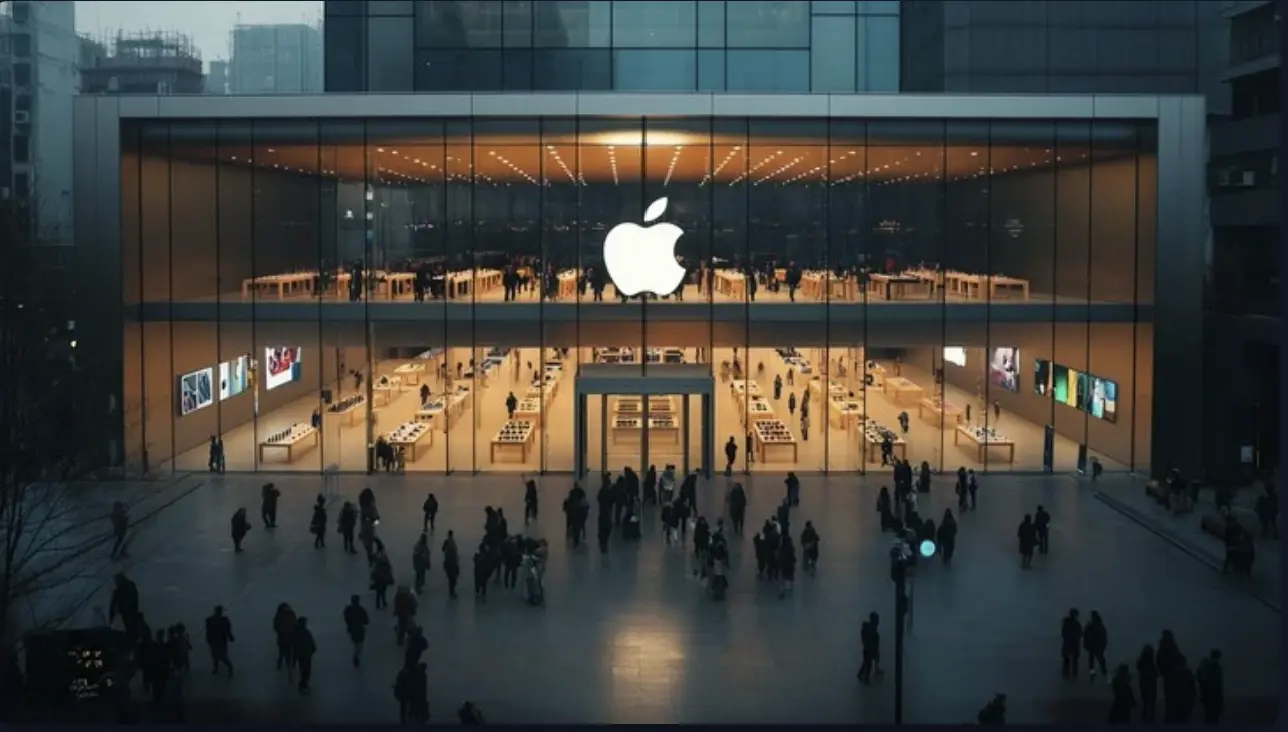
Getting your product into Apple Stores is a big milestone for any consumer electronics brand. Apple runs one of the best-known retail brands in the world. Products sold there reach loyal, tech-focused shoppers. They also borrow some of Apple’s high-end image.
But becoming an Apple retail vendor is not easy. Apple sets a high bar for quality, design, fresh ideas, packaging, pricing and the customer experience. Shelf space is limited. Competition for it is fierce. So how do you actually get your product into Apple Stores?
This step-by-step guide explains how to get your product into Apple Stores. It covers what Apple looks for in consumer electronics brands. It shows how to approach the chance, and what it takes to build a retail partnership that lasts.
Key takeaways
- Apple Stores are not a general merchandising channel. The range is small and hand-picked, with no open vendor portal like Ace’s or Target’s.
- For accessory brands, the real front door is Apple’s MFi Program. It licenses and certifies products that plug into Apple hardware.
- MFi certification is a first step, not a placement decision. Certified products are not sold in Apple Stores by default.
- Apple’s Supplier Connect covers what Apple buys for itself. Signing up there does not put your product in front of a retail buyer.
- At Apple, packaging, photos and the product page are part of the product. They are not marketing that follows it.
- Retailbound has helped product brands launch and grow in retail since 2008, across more than 150 retailers in the U.S.
Quick check
Want to Get Your Product into Apple?
Let’s talk about whether your product is ready for retail.
Why Getting Your Product into Apple Stores Is a Big Win
Apple Stores are among the most admired retail spaces in the world. Products sold there gain instant trust. They reach millions of shoppers who value design, quality and fresh ideas.
This matters most for brands that sell accessories, smart home products or devices that work with Apple gear. For them, a spot in Apple retail can deliver:
- More brand awareness
- Big revenue growth
- Instant market proof
- More clout with other big retailers
In short, Apple Stores don’t just sell products. They lift brands.
That said, Apple’s vetting is strict. Preparation is everything.
Three Different Doors, and Which One You Need
Three very different goals get described with the same sentence. Each goes to a different part of Apple. Work out which one you are first. The wrong door does not send you back with directions. It simply never answers. Target runs an open vendor portal you can use to get your product into Target. Apple has nothing like it.
| Supplying a product | Reselling Apple product | Operating a store | |
| Who it is for | Brands with their own product. | Retailers buying Apple hardware to sell on. | People who want to run retail. |
| What you are asking for | Apple to sell your product. | The right to buy and resell. | A job or a franchise deal. |
| Typical starting point | Certification, then a pitch to Apple retail. | Apple’s authorized reseller track. | Apple’s retail careers and business pages. |
| Covered in this guide | Yes. | No. | No. |
The second and third routes are real businesses. This article is not written for them, so it will not guess at their rules. Go straight to Apple for those.
If you are in the first row, one more split saves months. A product that Apple sells to its shoppers is handled by retail merchandising. Goods or services that Apple buys to run its own business are procurement. That lives in its own system with its own contacts. Brands mix the two up all the time. There is a section on that difference further down. Read it before you sign up anywhere.
Understanding Apple’s Product Selection Process
Apple is very picky about the brands and products it carries. Each would-be partner is checked closely for fit with Apple’s brand promise.
Key Criteria Apple Looks For
Innovation
Apple favors products that bring something new. Your product must solve a real problem or improve the Apple user experience in a way people notice.
Premium Design & Build Quality
Apple stands for clean, minimal, high-quality design. Your product, branding and packaging must match that level of polish.
Functionality & Performance
Your product must work flawlessly. Apple has zero tolerance for poor usability or bugs.
Compatibility with Apple Products
Products that fit Apple’s ecosystem have a much better chance. Think iPhone, iPad, Mac or Apple Watch accessories.
Insider Insight:
Apple judges how consistent your brand is as closely as how well the product is made. Your brand ethos should match Apple’s high-end, customer-first outlook. It helps to know what a retail buyer is weighing before you walk in.
Note
Certification and placement are two separate decisions, made by two separate parts of Apple. Clearing the MFi technical rules earns you the right to use the Made for Apple branding. It also lets you sell a compatible product anywhere. It does not commit Apple retail to stocking it. Budget for both talks. Do not let a yes on the first one get reported inside your company as a win on the second.
MFi Licensing is the Front Door for Most Accessory Brands
Working with Apple’s ecosystem is not a marketing claim you make about your product. For most accessory types, it is a certification you hold. The program that grants it is MFi. Does your product connect to an iPhone, iPad, Mac, Apple Watch or AirPods? Through Apple’s connectors, wireless charging or its accessory protocols? Then this is the route. It comes before any talk with retail buyers, not after one.
Company application and review. You apply as a company, not as a product. Apple reviews the applicant. That means a real business with a real factory behind it. This stage depends on how complete and checkable your company details are. So write up your entity details, your factory partner and your product plans before you start.
Licensee agreement. If accepted, you sign a license agreement. It sets what you may build, how you may describe it, and how Apple’s marks may be used. Read it as a business contract. It shapes your product roadmap and your packaging, not just one product.
Technical specs and components. Once licensed, you get access to the specs. Where a product type requires it, you also get the authentication parts you must design into the product. These are ordered through Apple’s process. Lead time on them is a real factor in your build schedule.
Product submission and test. Each product is submitted and tested against the spec for its type. How long this takes depends on the type of product, how complete your submission is, and whether it passes first time. Plan for a resubmission. Do not assume a clean pass.
Packaging and branding approval. Certification earns you the right to use the Made for Apple branding. There are set rules on placement, wording and the exact product models you may name. Packaging goes through review. Do not print a container load before that review is done.
What matters most here is what certification is not. It is the price of entry to the talk, not the outcome of one. It tells Apple your product meets the standard. It does not reserve shelf space. It does not create a purchase order. It does not put you in front of a retail buyer. A very large number of certified accessories have never been sold in an Apple Store. The brands behind them do fine selling everywhere else. Treat certification as the cost of being eligible. Then plan the placement talk as a separate piece of work.
MFi Certification Compared with Apple Store Placement
| MFi certification | Apple Store placement | |
| What it decides | Whether the product may connect and carry Made for Apple branding. | Whether Apple retail will sell it. |
| Who decides | Apple’s licensing and technical review. | Apple retail merchandising. |
| Is it an application | Yes, a set program. | No open portal for product brands. |
| What it depends on | Meeting the technical spec for its type. | Range fit, sell-through proof and supply. |
| Does one guarantee the other | No. | Certification nearly always comes first. |
One table, two decisions. Pass the first and you have earned the right to ask for the second. Nothing more.
Preparing Your Product for Apple Store Standards
Before you ever pitch Apple, your product must be fully retail-ready.
Perfect Your Packaging
Packaging matters, and at Apple it matters more. Your packaging should be:
- Minimal and high-end
- Clear about what the product does
- In line with Apple’s clean look
Pro tip
Matte finishes, good materials and subtle embossing can lift perceived value a lot. Design your packaging for a table, not a peg or a shelf. Apple Store fixtures show product face up and from above. Nothing hangs. There are no shelf talkers to lean on. Take your current box. Lay it flat on a white surface. Look down at it from standing height. Can you read the product name, what it does, and which Apple device it works with, all in that one view? If not, the packaging is not ready to show a retail buyer.
Create First-Rate Marketing Materials
Apple expects a polished, professional pitch. Prepare a full product deck that includes:
- Sharp, high-res product images
- A short product demo video
- Clear use cases and shopper benefits
- Customer reviews or testimonials
- Certifications, awards or press coverage
Everything should answer one key question: Why does this product belong in Apple Stores?
Crafting a Winning Pitch to Apple
A great product alone isn’t enough. You must clearly communicate its value to Apple’s buying team.
Highlight Your Unique Selling Proposition (USP)
What makes your product better or different? Focus on the exact problem you solve for Apple users. Then explain why your answer stands out.
Demonstrate Apple Ecosystem Compatibility
Show clearly how your product makes the Apple experience better. That could be a smooth fit, faster results or better design. Make the value obvious.
Pro tip
Work out which of your products fall inside the MFi Program before you build a pitch. The answer changes the order of your next twelve months. A product that needs certification cannot be pitched for a shelf until it is certified. And certification depends on design choices that are far cheaper to make before tooling than after it.
Align with Apple’s Brand Vision
Apple stands for innovation, simplicity and premium quality. Your pitch should reflect that, in both message and look.
Pro tip
Apple decision-makers value short, data-backed insights. Use numbers and proof points whenever you can.
Supplier Connect is Not the Same as Getting on the Shelf
Search for how to become an Apple supplier. The first thing you will find is Apple’s supplier onboarding material. It looks official. It is official. And for a brand that wants Apple to sell its product, it is simply the wrong system.
Apple, like any large company, buys huge amounts of goods and services to run itself. Parts for its own products, building work, logistics, professional services, facilities, technology. That buying is procurement, and Supplier Connect is the front end for it. A supplier in that sense is a company Apple pays. Retail merchandising is a different team with different people. It decides what Apple sells to its shoppers. In that deal, Apple collects the revenue and you supply goods for sale. The two teams do not share a queue, a contact list or a review process.
The real result is silence. A brand that signs up a consumer accessory in a procurement system has put itself in a database nobody in merchandising reads. It gets no reply and no reason. It often waits months before deciding Apple was not interested. Apple was not uninterested. Apple’s merchandising team never saw it.
There is a harder truth under this, and it is why the confusion lasts. Apple does not run an open vendor application the way Ace or Target do. There is no vendor portal, no submission form and no stated review process. There is no form that ends with a buyer reading your sell sheet. There are two real routes. First, certification in your product type where one applies, plus a contact who gets you to a talk with retail buyers. Second, distribution through an authorized channel partner who already sells into that world and can carry your product with them. Both take longer than a portal. Neither is a queue you can join by signing up. Knowing that from the start is worth more than another month spent looking for the form.
Build a Strong Online and Sales Presence
Apple prefers products with proven demand.
Establish Digital Authority
Before Apple says yes, they’ll likely check your brand online. Make sure you have:
- A polished website that converts
- Strong search rankings
- Good reviews on platforms like Amazon or Shopify
Show Sales Traction
Proven sales matter. Strong online sales, repeat buyers and good social proof all back up your product’s retail potential.
Pro tip
Bring sell-through, not sales. A talk with Apple’s buyers is about how fast a unit leaves a table in a small range. So units per store per week from a high-end retailer you are already in is worth more than a big ecommerce revenue figure. No physical retail history yet? Get it somewhere with a similar shopper before you ask for the hardest table in retail.
Negotiating Terms with Apple
If Apple is interested, expect tough negotiations. Apple often works on consignment terms. That means you get paid only after the product sells.
Key Negotiation Areas
- Margins: Apple tends to hold the upper hand. Plan for it.
- Distribution Requirements: These matter most for global rollouts.
- Marketing Support: Find out whether Apple will promote you in store or online.
Pro tip
Think about working with a retail expert or legal advisor before you agree terms.
What Happens After Apple Says Yes
Getting approved is a milestone, not an arrival. Life as an accessory brand inside a hand-picked range has its own demands. They are about operations, not deals. These are the things you must be able to do, each time, from the first order onward.
Forecast accurately into a very small assortment. A retailer with a narrow range has no backup when you are short. Your forecast is not a planning document for your own use. It is a promise against space that has nothing else to fill it.
Clear design review before anything ships. Packaging, photos, on-pack copy and in-store assets all go through approval. That is no rubber stamp when the whole store is built on a consistent look. Build the review cycle into your production timeline. Do not commit to print until it is done.
Hold supply commitments that cannot slip. When an accessory is tied to a device launch, someone else sets the launch date. Your production calendar has to absorb each delay, not pass it on. That means proven tooling, a factory with real capacity, and finished goods staged earlier than feels comfortable.
Plan for the device your product fits to be discontinued. Hardware cycles end. When the device your accessory supports is replaced or dropped, your place in the range goes with it, sometimes fast. A brand that has only ever built for one device generation has a business with a timer on it. The answer is a roadmap that tracks the platform, not a single product.
Treat online placement and physical table space as different things. Being sold online and being placed on a table in a store are separate decisions. The money, the volumes and the exposure all differ. An online listing is easier to get and far less exposed. A spot on the table is the one that changes a brand. It is also the one judged most harshly on sales per square foot.
Carry the support burden yourself. Any problem after purchase feels to the shopper like a problem with the store they bought from. Your returns rate, your warranty handling and your response times are part of the range decision from the second order onward.
Sustaining Success After Launch
Getting into Apple Stores is just the start.
Build Strong Relationships
Stay in regular touch with Apple account managers. Be proactive, quick to reply and open.
Continue Innovating
Apple expects brands to keep moving. Product refreshes, updates and line extensions help keep your brand relevant.
Pro tip
Tie your roadmap to Apple’s, not to your own release calendar. Accessory demand moves with device launches, and with connector, chip and port changes. A brand with a compatible version ready in the same window as a new device gets a meeting. A brand that gets there two quarters later is talking about a range that has already been set.
Deliver Exceptional Customer Support
Apple customers expect first-rate support. Any issue after purchase reflects on your brand and on Apple.
Brands That Succeeded in Apple Stores
Several brands have used a spot in Apple retail to speed up growth:
- Nomad Goods: high-end accessories built for Apple devices. The brand grew fast after entering Apple Stores.
- Twelve South: known for beautifully designed Mac and iPhone accessories. The brand credits Apple retail for unmatched exposure.
The common thread? A clear point of difference, premium design, and a fit with Apple’s values.
Final Thoughts: Is Your Product Ready for Apple Stores?
Breaking into Apple Stores is hard. The rewards can change a business. Brands that focus on new ideas, great design and proven demand set themselves up to win.
If you’re serious about launching or scaling your product brand in retail, expert guidance can make all the difference.
Free consultation
Talk to a retail expert about your product.
We build the retailer list, the pricing model, and the buyer pitch, so your first meeting starts from your numbers instead of theirs.
Retainer only, no commission · 150+ retailers · No obligation
Frequently asked questions
It depends which part of Apple you mean. Apple buys goods and services for its own business through procurement. Separately, it picks a small, hand-picked range of third-party products to sell to shoppers. For most brands, the second is the goal. The route there runs through product certification and a talk with retail buyers, not through an open vendor portal.
Harder than most retailers, because the range is kept small on purpose. Apple Stores carry far fewer third-party products than a big-box chain. So each new product pushes out something that already sells. The real bar is a certified product, packaging and photos that meet Apple’s design standards, and sell-through proof from a similar high-end retailer.
An idea, no. Apple does not take unsolicited concept pitches. A pitch without a built, certified product has nowhere to go. What you can present is a finished product with certification cleared, retail-ready packaging, and proof of how it sells in a similar setting.
Start by deciding which kind of vendor you mean. Supplying goods and services to Apple’s own business runs through its procurement onboarding. Getting a product sold in Apple Stores runs through certification for your product type, then through retail merchandising. Signing up in the procurement system will not reach a retail buyer.
Apple publishes an accessory search tool that covers licensed products. Licensed accessories also carry Made for Apple branding on the box. For a brand, the useful point is the reverse one. Buyers and retailers can check too. So claiming your product works with Apple gear without certification is easy to spot, and it does damage.