Advice
From Clicks to Bricks: When Product Brands Should Expand Into Physical Retail
How to tell when your online brand is ready for store shelves, what changes on the first retail order, and a readiness test to run on your own numbers.
 Yohan Jacob
14 min read
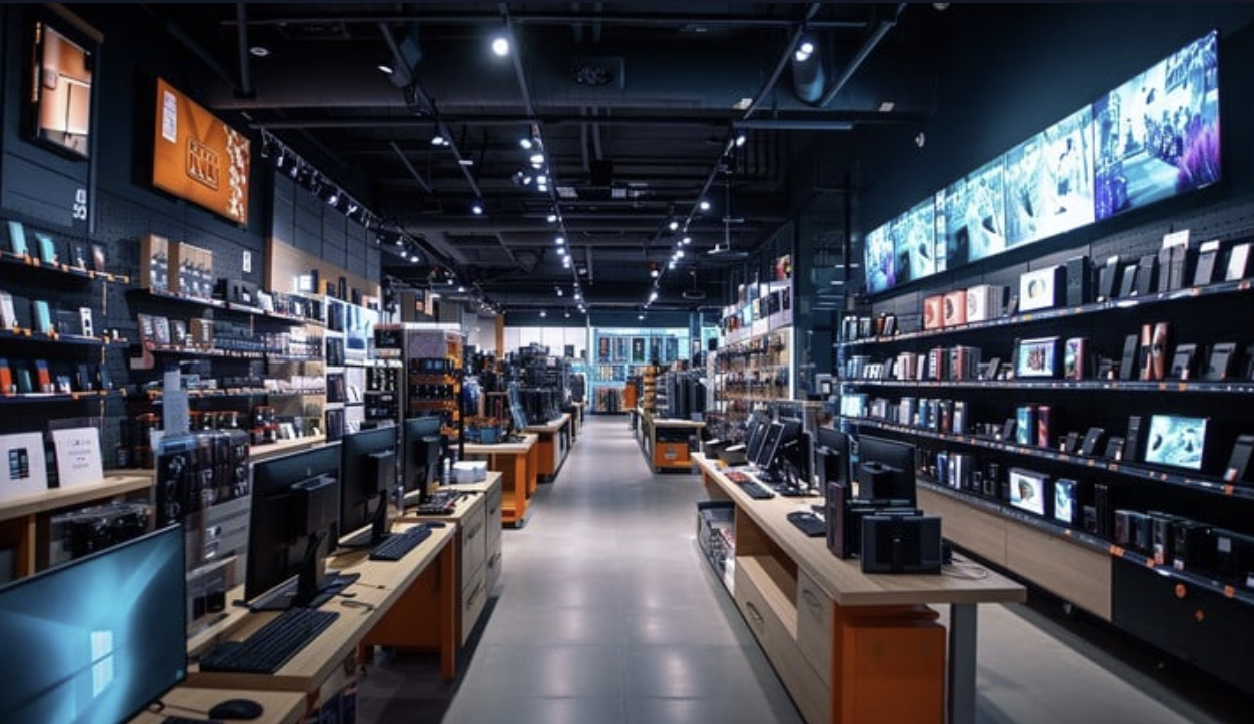
Online shopping rules the day. So many product brands ask whether a physical retail presence still matters. Ecommerce keeps growing. But something powerful happens when customers can touch, feel and try a product in person. Expanding from ecommerce to retail stores is a major step. For product startups, it can open a new level of growth.
Here’s how to tell when it’s time to move from ecommerce into physical retail. We cover what to weigh, brands that got it right, and how to build a strong online and offline plan.
Key takeaways
- Physical retail means two different things. Opening your own store and selling through retailers share almost no requirements.
- Strong online sales alone don’t make a brand retail ready. Your margins at wholesale prices decide it.
- Warby Parker, Bonobos and Casper all opened their own stores with outside funding. That is one route, not the route.
- Retail changes your cash timing. You fund inventory before the retailer pays you.
- Once you sell through a retailer, they own the sales data. You’re marketing to a shelf you don’t control.
- A regional or independent account is the realistic first step for most brands. It produces the sell-through proof a chain will ask for.
Quick check
Need Help Getting Into Retail?
Our team of former big-retail buyers can help you pick the right retail channels, get your brand ready for buyers and plan for retail growth.
When Is the Right Time to Go from Ecommerce to Physical Retail?
You may be seeing solid online traction. But how do you know when your brand is ready for store shelves? Here are three big signs:
1. Strong and Consistent Online Sales
Steady demand and predictable growth online show that customers trust your brand. Retailers look for products with proven online sales. That makes this a solid base for entering stores.
Pro tip
Look at where your online orders ship before you decide you’re ready. Demand clustered in a few metro areas tells you which regional chains to approach. It also gives you an argument a buyer can check. Demand spread thinly across the country looks healthier on a chart. But it gives a buyer no reason to believe your product will move in their stores.
2. Customer Demand for In-Person Experiences
Are shoppers asking where they can see or try your product? Are you getting DMs or emails asking which stores carry it? That direct feedback often means a move into physical retail could lift sales and keep customers happier.
3. Financial Readiness
A physical retail presence has real costs. Inventory, packaging upgrades, logistics, staff and marketing. Before you make the leap, make sure your cash flow and margins can carry this growth phase.
These signs don’t guarantee success. But they help you decide on data rather than on hope.
Pro tip
Rebuild your margin at wholesale before you do anything else. Start with your landed cost. Apply the wholesale price a retailer in your category will expect. Then subtract distribution, any promotional allowance and the cost of retail packaging. If what’s left is negative, retail is a product or sourcing problem, not a sales problem. No buyer conversation will fix it.
A Readiness Test You Can Run on Your Own Numbers
“Strong and consistent online sales” points the right way, but you can’t act on it. Here’s a test you can run on your own numbers this afternoon. Answer each one yes or no.
Demand
- Do you have measurable repeat purchase? That means a real share of customers who have bought more than once.
- Is demand spread across regions, or stuck in one city or one channel?
- Do people ask you, unprompted, where they can buy it in person?
- Could you show a stranger sales data, reviews and feedback that would convince them people want this?
Unit economics
- Does your product still make money at wholesale pricing, after a retailer’s margin?
- Does it still make money after distribution, promotional allowances and markdown support?
- Can you fund inventory, production and freight before you get paid on retail terms?
Operations
- Could you fill an order several times your largest to date without breaking something?
- Do you have retail-ready packaging with a registered UPC on every variant?
- Can you meet labeling, case pack and routing specs set by somebody else?
- Is there a named person who will own this account after the first order ships?
Now read the pattern, not the score. The mistakes new retail vendors make are a useful companion to this test.
A no in unit economics is a stop. Not a delay. If the product doesn’t make money at wholesale, every extra unit sold makes things worse. Scale speeds up the damage instead of fixing it. Go back to cost, pack size or price before you go anywhere near a buyer.
A no in operations is a delay. Packaging gets redesigned. Barcodes get registered. Capacity gets built. These are projects with timelines and costs, and you can solve them. Work out the timeline, do the work, then go.
A no in demand means keep selling where you are. Retail doesn’t create demand. It amplifies the demand you already have. A brand that isn’t bought twice online won’t be bought twice on a shelf.
People mix these three up all the time. Usually they treat an economics problem as an operations problem. That distinction is the most important thing on this page.
Two Routes into Physical Retail
Here’s the comparison at a glance. If most of your sales run through Amazon, read about moving from Amazon to retail shelves as well.
| Your own store | Selling through retailers | |
| What you commit | A lease, fit-out, staff and a fixed monthly cost. | Inventory, packaging and trade terms. |
| Who decides | You. | A buyer, on their calendar. |
| Margin | Full retail margin, minus operating cost. | Wholesale margin, minus allowances. |
| Reach | One location at a time. | Many doors at once. |
| Customer data | Yours. | The retailer’s. |
| Main risk | Fixed cost with uncertain footfall. | Slow sell-through and a lost listing. |
| Realistic first step | A pop-up or shop-in-shop. | A regional or independent account. |
Two Very Different Moves Called the Same Thing
“Moving into physical retail” describes two completely different businesses. Almost every article on the subject blurs them together. Before you read further, work out which one you mean. The capital, the risk and the daily work share nothing.
Opening your own store. You sign a lease, fit out a space, hire staff and set opening hours. You carry a fixed monthly cost whether or not anyone walks in. In exchange, you keep the full retail margin. You control the whole experience. You keep the customer relationship and the data that comes with it. It’s a new business with its own operating model, not an extension of the one you have.
Selling through existing retailers. You persuade a buyer to stock you. In exchange for a wholesale margin, you get reach into stores you didn’t have to build. Staff you don’t pay. Foot traffic somebody else brings in. You give up margin, control over price and placement, and the direct customer relationship. You take on a different load: case packs, lead times, routing guides, compliance, item data and payment terms.
Compare them where it matters:
- Upfront capital: heavy and fixed for your own store. Moderate and variable for wholesale, mostly in inventory.
- Ongoing fixed cost: rent and payroll every month versus none.
- Margin: you keep all of it versus you keep a fraction.
- Risk: one location carries all of it versus risk spread across accounts.
- Customer data: yours versus theirs.
- Speed to reach: one store at a time versus hundreds of doors in one decision.
- What can go wrong: a bad location versus a bad sell-through number.
Neither is better. They’re different trades. But if you don’t have outside funding, the second is almost always the realistic route. It turns a fixed cost you must carry into a variable one tied to orders. The rest of this article is about selling through existing retailers.
Key Factors to Consider Before Entering Physical Retail
Moving from ecommerce to brick-and-mortar is more than finding a store. It takes a plan.
1. Market and Competitor Analysis
Know your target customer and your competition. It also helps to know how retailers decide which products to stock. Then identify:
- Which retailers fit your category.
- Which products you’ll compete with.
- How your pricing and value stack up.
- Gaps on the shelf you could fill.
This work keeps the move into retail planned, not reactive.
2. Choosing the Right Location or Retail Partner
Location can make or break your physical retail success. Consider:
- Foot traffic and shopper demographics.
- Retailers that match your brand positioning.
- Local market trends.
- Whether pop-ups or test retailers might be a good first step.
A smart location plan gets you seen and drives sales.
Pro tip
Start with retailers whose shoppers already look like your online customers. Not with the largest retailer that would take you. A small win with a well-matched regional chain gives you rate-of-sale data you can carry into a national pitch. A large win with a poor match gives you a slow start, a markdown, and a hole in your track record. That hole follows you into the next meeting.
3. Building the Right Operational Infrastructure
Physical retail takes planning and investment. Think through:
- Store layout or in-store merchandising.
- Staffing and training.
- Inventory planning and forecasting.
- Retail-ready packaging.
- Logistics and replenishment.
- In-store marketing programs.
Getting these ready early helps you avoid costly mistakes later. If you won’t ship to stores yourself, choosing the right distributor belongs on this list too.
What Actually Changes When a Retailer Places the First Order
The day a retailer issues a purchase order, several things about your business change at once. None of them are optional. All of them are survivable. But they surprise founders who have only ever sold direct.
Cash moves from immediate to delayed. Online, the money arrives at checkout, before or as the product leaves. In retail, you make, ship and invoice. Then you wait to be paid on the retailer’s terms. That gap is real money out of your business. It grows as the orders grow. So a successful second order is a bigger cash problem than the first. This is the single most common reason a healthy ecommerce brand gets into trouble in retail.
Packaging moves from a shipping box to a shelf unit. Your current pack has to survive a courier and please someone opening it at home. A retail pack has more jobs. It has to be readable from several feet away in an aisle. It has to sell the product to somebody who has never heard of you. It has to carry a UPC, survive pallets and stockrooms, and fit the fixture the category uses. This is a design project with a print lead time, not a tweak. It’s part of designing a product retailers want to stock.
Forecasting moves from your demand curve to their order pattern. Online, you restock based on what sold yesterday. In retail, you forecast against a purchase order schedule, a restock cycle and a promo calendar. All three belong to the retailer. Running out online is a lost sale. Running out during a promotion they advertised is a serious problem.
The customer relationship changes hands. The retailer owns the sale. You don’t get the email address, the order history or the chance to follow up. You may never know who bought your product or whether they came back. The feedback loop that has run your business stops working. You need deliberate stand-ins: on-pack registration, reviews on the retailer’s site, store visits and whatever sell-through data you can negotiate.
Marketing changes direction. You’re now driving people to a shelf you don’t control. The stores may or may not have stock. The price isn’t yours. Every campaign has to account for that. A campaign that lands before the stock does is worse than no campaign at all.
Real-World Success Stories: Brands That Went From Online to In-Store
Many well-known brands started online and moved into physical retail with great success. Here are a few standout examples:
Warby Parker
The eyewear brand launched 100% online. It opened brick-and-mortar showrooms after learning customers wanted to try frames in person. Today its stores offer eye exams and a full shopping trip. They blend online convenience with in-store service.
Bonobos
The menswear brand pioneered its “Guideshop” model. These are showrooms where customers try on clothing and then order online for delivery. This hybrid approach built the brand and cut the stock each store had to hold.
Casper
As an online mattress company, Casper ran into shoppers who didn’t want to buy a mattress sight unseen. Physical showrooms solved that. They built trust and drew in new customers.
These examples share a theme. Done with a plan, physical retail improves the customer experience and builds trust in the brand.
Why These Examples May Not be Your Model
Those three stories teach a lot. They’re probably not your model. It’s worth saying why.
Warby Parker, Bonobos and Casper share more than success. All three raised a lot of outside capital. That’s what makes signing leases and building stores a workable plan instead of a bet on the whole company. All three sell in a category where trying the product in person answers the biggest objection to buying. How do these glasses look on my face? Do these pants fit? Is this mattress comfortable? And all three chose to build their own retail rather than sell through somebody else’s. That’s a different decision, with a different risk profile from the one most brands face.
If you don’t have that capital, none of that transfers directly. For most brands, the realistic first step into physical retail is somebody else’s shelf. A regional chain, an independent group, a specialty retailer, or a limited store test with a larger chain. That route needs inventory and preparation, not leases and payroll. You can fund it out of the business rather than out of a funding round.
And it produces the thing that matters most: rate-of-sale proof from real stores. A proven number of units per store per week, in a comparable retailer, turns the next buyer conversation from a pitch into a negotiation. Warby Parker’s route built a brand. Your route builds a number. In the world you operate in, the number opens more doors. That’s a different starting point, not a lesser one.
The Future of Retail: Blending Online and Offline Channels
Retail is changing fast. The brands that thrive will be the ones that give shoppers one smooth experience across every channel.
1. Omnichannel Shopping Is the New Standard
Shoppers expect a consistent brand experience whether they’re:
- Browsing online.
- Visiting a store.
- Talking to you on social media.
- Using mobile apps.
Services like buy online, pick up in store (BOPIS), same-day delivery and in-store returns add convenience and build loyalty.
Note
Omnichannel is often sold as a benefit. It’s also a cost. Once your product sits online and on a shelf at the same time, you’re managing two prices that shoppers can compare. Two inventory pools. And a retailer who will notice if your own site undercuts them. Decide your pricing across channels before the first order, not after a buyer raises it.
2. Personalization Drives Repeat Purchases
Use customer data from ecommerce to personalize the in-store experience. That might mean tailored product picks, loyalty rewards or custom offers.
3. Sustainability Matters More Than Ever
Shoppers value brands that put eco-friendly practices first. Think sustainable packaging, ethical sourcing and less waste in your retail plan. All of it builds trust in your brand.
Conclusion: Is It Time for Your Brand to Go From Clicks to Bricks?
Expanding from ecommerce into physical retail is a big milestone for product startups. With the right timing, plan and preparation, it can lift your brand, build customer trust and open new revenue channels.
Before making the move, be sure to:
- Analyze your online performance.
- Listen to customer demand.
- Check your financial readiness.
- Do thorough market research.
- Plan your retail operations.
A thoughtful approach can turn retail expansion into a powerful growth engine. When you’re ready, read our tips on launching a new product in retail stores.
Free consultation
Talk to a retail expert about your product.
We build the retailer list, the pricing model, and the buyer pitch, so your first meeting starts from your numbers instead of theirs.
Retainer only, no commission · 150+ retailers · No obligation
Frequently asked questions
A physical store lets shoppers handle the product. It reaches people who will never find you online. But it carries fixed cost and limits you to one location at a time. Online scales without rent and keeps the customer relationship. But it competes on a crowded page. For most product brands, the useful third option is neither. Sell through retailers who already have the foot traffic, and accept a wholesale margin in exchange for the reach.
For a product brand, the practical impact is that buyers now expect online proof. Repeat purchases, reviews and regional demand from your own store are the closest thing a new brand has to sales history. A buyer will ask for them. Online performance has become the audition for shelf space, not a replacement for it.
That depends on your category, your cost to acquire a customer and your repeat rate. This article can’t answer it for your business. The more useful question for a brand eyeing retail is this. Is the product still profitable at wholesale pricing after distribution and promotional allowances? That’s the number a retail listing lives or dies on.
Shopping behavior is mixed, not split by channel. The point for a brand is that discovery and purchase often happen in different places. A shopper may find you online and buy on a shelf. Or handle the product in a store and order it later. That’s the argument for being in both. It’s also why attribution gets harder once you are.
If your main obstacle is that shoppers need to try the product first, your own space or a shop-in-shop solves it directly. If your main obstacle is reach, selling through retailers solves it faster and with no fixed cost. Most brands without outside funding are in the second spot. That’s why a regional or independent account is usually the first realistic step.