Advice
6 Signs You Need a Packaging Redesign for Retail
Six signs you need a packaging redesign, when to wait instead, and how to time the change so it does not cost you shelf space or a listing.
 Yohan Jacob
15 min read
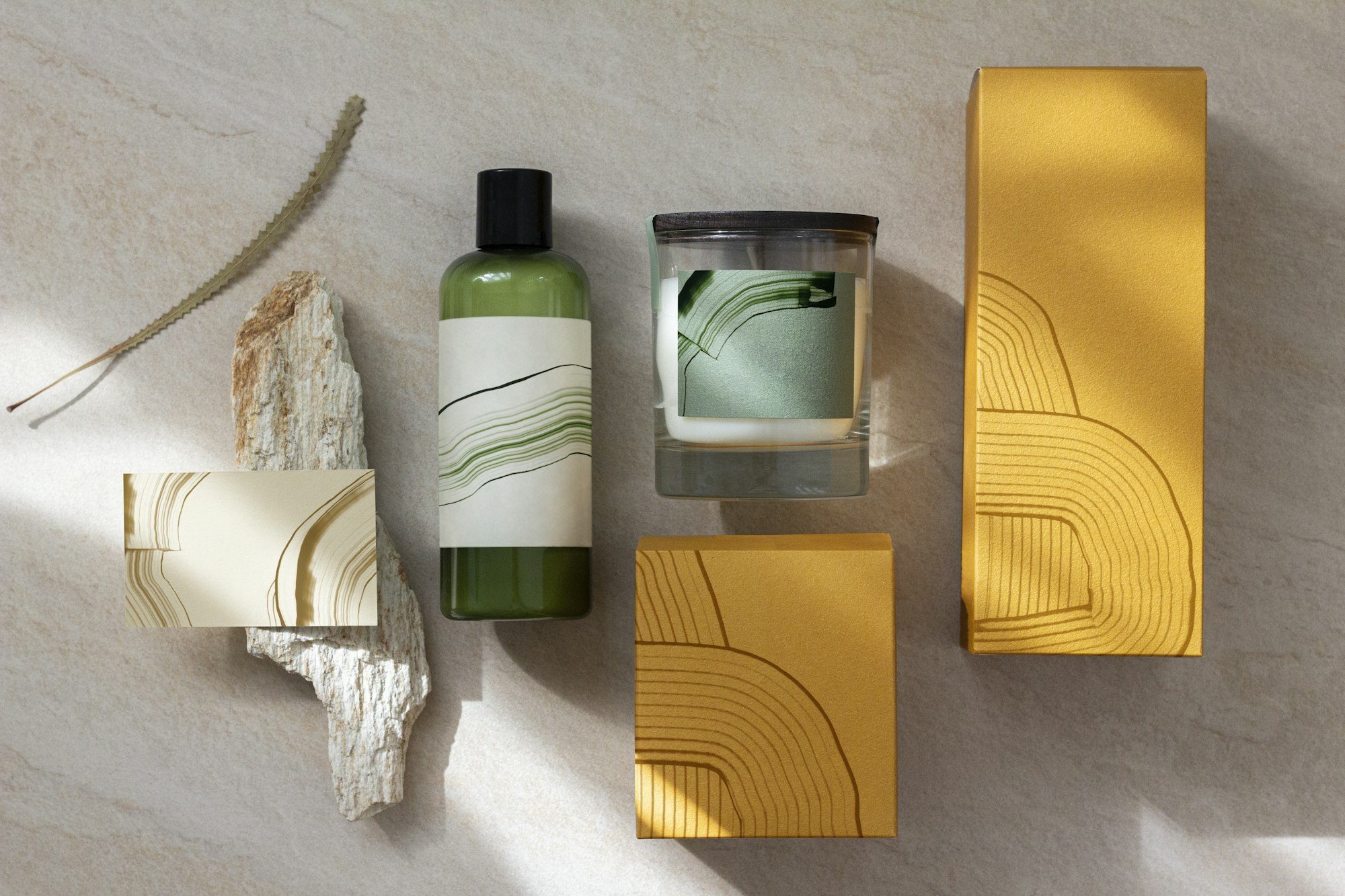
A packaging redesign is more than a change of colors, fonts, or graphics. It’s a strategic move. It lines your product up with your brand identity, what shoppers expect, and current market trends. You might refresh the visuals, update the materials, or sharpen the message. Either way, the goal is clear: packaging that connects with your audience and stands out on the shelf. That matters from the day you first try to get your product into retail stores.
We’ve seen firsthand how much packaging can do. It is not just about function. It is a marketing tool. Stale or dated packaging risks losing shopper interest, blending into a crowded market, and missing growth chances.
So how do you know when it’s time? Here are the six signs you need a packaging redesign for retail.
Key takeaways
- A packaging redesign is a positioning decision, not a visual one. If the positioning has not changed, new artwork is decoration.
- The six signals worth acting on are changed positioning, a shifting competitor set, a product redesign, changing shopper tastes, sustainability expectations, and an updated brand identity.
- A brand with no distribution can change packaging freely. A brand on a retailer’s shelf cannot, because the UPC decision, existing stock, re-ticketing and buyer notification all move with the artwork.
- The design fee is usually the smallest cost in a redesign. Tooling, stock write-off, relabeling and updated imagery on every retailer site are the costs that stall projects halfway.
- Time the change to the retailer’s category review, not to your design schedule. A buyer who is told in advance sees investment, and a buyer who finds out at delivery sees risk.
- Test on a real shelf at five feet before you commit. If both the old and new packs fail that test equally, the problem is placement or price position, not the design.
Quick check
Need Help Getting Your Brand Into Retail?
Our retail consultants were once large retail buyers. They can help you pick the right retail channels, prepare your brand for buyers and build a plan for retail growth.
What Is a Packaging Redesign?
A packaging redesign updates the look, the message, or the materials of a product’s packaging. Sometimes all three. The aim is to stay competitive and relevant. Beyond the visual changes, a redesign often improves:
- Function and ease of use
- Fit with your brand identity
- The overall unboxing and customer experience
The end goal is a product that is more appealing, more relatable, and better at telling your brand story.
6 Signs It’s Time for a Packaging Redesign
Brands often consider a packaging redesign when their current design feels dated, weak, or out of step with their audience. Here are six signs it’s time to refresh your packaging:
1. Your Product Positioning Has Changed
Does your product no longer stand out on the shelf? Does the pack no longer reflect your updated positioning? Then it’s time to rethink your packaging. Updated packaging can highlight product improvements and make your unique value clear to shoppers.
2. The Competitor Set Is Changing
Consumer packaged goods (CPG) categories change fast. New rivals, trends, and packaging ideas can make your product feel dated. A redesign keeps your brand competitive and visually distinct as the market moves. If you sell apparel, see our guide for clothing brands moving into retail.
Pro tip
Audit the set, not the category. Photograph the exact shelf your product sits on in three different stores. Then lay your pack against the two products on either side of it in each photo. Category trend reports tell you what the industry is doing. The shelf photo tells you what your shopper is comparing you against. Those two are rarely the same thing.
3. You’re Launching a Product Redesign
When your product gets a redesign, your packaging should follow. Packaging that matches the updated features, look, or target audience reinforces the new product story. It keeps the brand experience consistent.
4. Consumer Preferences Are Shifting
Packaging shapes first impressions and purchase decisions. As shopper tastes change, packaging that once worked may feel out of touch. A redesign helps your brand stay relevant and appealing to your audience.
5. Sustainability Matters to Your Customers
Eco-friendly packaging isn’t just a trend. Shoppers increasingly expect it. Materials like plastic and Styrofoam add to waste and emissions. Recyclable or sustainable packaging attracts buyers who care about the planet. Consider these moves in a redesign:
- Use recyclable or reusable materials
- Reduce packaging size and waste
- Switch to eco-friendly alternatives
Sustainable packaging strengthens your brand’s reputation. It lands especially well with millennial and Gen Z shoppers.
Pro tip
Check the retailer’s own packaging rules before you write the sustainability brief. Several large accounts publish material, recyclability and labeling standards for suppliers. A change made to please shoppers that misses a retailer’s spec has to be done twice. Ask your account contact for the current supplier packaging guidelines when you brief the designer.
6. Your Branding Has Been Updated
If your company has rebranded, your packaging must reflect it. Consistent logos, colors, and messaging across every touchpoint help customers recognize your brand. That strengthens all your marketing.
When not to Redesign your Packaging
Every list of reasons to redesign is written by someone who gets paid when you do. Here are the situations where the right answer is wait, or no.
When sell-through is weak but placement is the real problem. A product on the bottom shelf at the end of an aisle sells badly in beautiful packaging. It sells badly in dated packaging too. Before you redesign, walk the store. Look at where you actually sit, how many facings you have, and whether a shopper reaching for the category even passes you. For more on this, read why brands fail in retail. Fixing placement costs a conversation with your buyer. Fixing artwork costs a project.
When a category review is close. Say the buyer is about to review the set with your current pack in it. If you change the artwork now, you will submit samples, imagery and specs that do not match what is on the shelf. And you will do it in the middle of the one meeting that decides your space for the next cycle. Get through the review. Then redesign against the shelf you have been given.
When you are holding a lot of finished stock. New artwork turns existing inventory into stock you have to sell twice, discount or write off. It turns components you have already bought into scrap. Count what is in the system before you approve a single concept. Include anything sitting at a retailer’s distribution center. The honest answer is often to redesign at the next print run, not this one.
When the driver is internal fatigue. You have looked at your own packaging every working day for years, and you are sick of it. Your shopper has glanced at it twice, briefly, in an aisle. This is the most common reason brands redesign. It is also the hardest one to admit to. The test is simple. Can you point to something a shopper, a buyer or a store associate actually said? If every complaint about the packaging came from inside your own building, you do not have a packaging problem.
When the brand is being repositioned but the work is not finished. Packaging is downstream of positioning. Who are you for? What do you charge? Where do you want to sit on the shelf? If those are still open questions, artwork produced now will be redone once the answers arrive. Settle the positioning first, even if that takes another quarter.
In every one of these cases there is something better to spend the money on this quarter. Shelf position. A secondary display. Associate training. Imagery on the retailer’s website. Or the sell-through data that will make your case at the next review.
How to Approach a Packaging Redesign
A successful packaging redesign is about more than looks. You need to understand market trends, shopper needs, and brand positioning.
Brand Research
Start with a clear picture of your brand identity. Updated packaging should reflect your core values, mission, and positioning. Study market data to make sure your design choices connect with your audience.
Consumer Testing
Test your new design with your target audience. Use surveys, focus groups, or product trials. Feedback confirms that your packaging says what you mean and meets shopper expectations.
Pro tip
Test recognition before you test preference. Show existing customers the new pack for two seconds and ask what brand it is. Preference testing tells you which design people like. That is the question designers ask. Recognition testing tells you whether your existing buyers will still find you in the aisle. That is the risk that actually costs money in the first season after a change.
The Shelf Test to Run Before You Commit
Consumer testing is the step most brands skip. Focus groups cost money and take weeks. Here is a test you can run this week with a printer and a phone. It answers the only question that matters: does your pack work in the place it has to work?
1. Print both versions at actual size and mount them properly. Not on a screen. Not at A4. Not on a white background. Actual size, on the actual format, with the actual structure. A design that looks bold on a monitor can vanish at true scale. That is the whole point of the exercise.
2. Put them in the real set. Go to a store that stocks your category. Place each version where your product sits, between the products that actually flank it. Borrow the neighbors if you have to. A pack tested alone is a pack tested against nothing.
3. Photograph the shelf from five feet, on a phone. Five feet is roughly where a shopper stands. A phone camera is roughly what their glance resolves. Take the same shot for both versions, from the same spot, in the store’s own lighting.
4. Judge only the photograph. This is the rule people break. The pack in your hand is not the test. Your customer never holds it before deciding to. Look at the two photos and ask three questions of each. Can you find your product? Can you tell what it does? Does it look like it belongs at the price you are charging?
What the outcomes mean. If the new version wins clearly on all three, you have your answer. You also have something to show your buyer. If it wins on finding and loses on what it does, the design is working and the copy is not. That is a cheap fix, not a restart. If it looks cheaper than the shelf around it, you have a problem. It will show up in sell-through before it shows up anywhere else.
And the uncomfortable outcome: if both versions fail the same way, the artwork is not what is wrong. Your spot on that shelf may be too poor for any pack to overcome. Your format may be wrong for the category. Or the product may not read as belonging there at all. New graphics will not fix any of those. Finding that out from a photo is far cheaper than finding it out from a print run.
Go-to-Market Plan
Launch your redesigned packaging with a plan. Highlight the updates, such as better function, sustainability, or a fresh look, in your marketing campaigns. Use promotions, social media, and retail channels to get the most visibility and engagement.
Pro tip
Decide the UPC question first, before a single design concept is drawn. Will the new pack keep the existing barcode or take a new one? That decides whether this is an artwork change or a new item setup at every retailer you sell to. A new item setup can mean a fresh listing decision on a product that was already on the shelf. Brands discover this after approving the design far more often than before.
How to Time a Redesign Around your Retailers
The launch plan above assumes you choose the date. A brand with distribution does not. Your retailers have calendars. A pack change that lands at the wrong point in one of them is read as a disruption, not an investment. Work backwards from their schedule instead of forwards from your design schedule.
Find the next category review for each major account, then set your deadline before it. The review is when your space is decided. The pack in front of the buyer at that meeting is the pack they plan around. Your new design needs to be final before that date. It needs to exist as a physical sample. It needs to be photographed to the retailer’s image spec. Miss it and you are either presenting old artwork or asking the buyer to imagine something.
Tell the buyer while it is still a plan. A retail buyer who hears about a pack change from you, early, sees a brand investing in the shelf. A buyer who discovers it when the first pallet arrives sees an unapproved change and a risk to their planogram. The conversation costs you nothing. It is the single highest return step in this whole list.
Decide the changeover method account by account. Some accounts want a clean cut at a fixed delivery date, with old stock pulled or sold through first. Others will run out existing inventory and take the new pack when it arrives. Ask each one rather than assuming. Getting this wrong is how a return authorization for old stock lands on your account.
Plan the overlap deliberately. For a period, both versions will be in the aisle at the same time. A shopper may not recognize them as the same product. Decide how long you will accept that. Decide whether anything on the new pack signals that it is the same product as the old one. And decide what your associates and customer service team say when somebody asks whether the product changed.
Schedule the imagery to land with the first delivery. Retailer websites, apps and planogram images all need updating. Every account has its own spec and its own lead time. Start those submissions before the first shipment leaves, not after. A shelf carrying new artwork while the retailer’s site still shows the old one is the version of this that customers notice and complain about.
What a Packaging Redesign Costs Beyond the Design Fee
The research, testing and launch work above is the design project. The design project is not where most of the money goes. Everything below happens after the artwork is approved. It is the reason redesigns stall halfway and end up with two versions on the same shelf for a year.
| What moves | Why it moves | Who you need to ask |
|---|---|---|
| The UPC decision. | A new barcode can mean a new item setup at every account. | Your account contact, before design starts. |
| Plates, dies and tooling. | New artwork or a new format needs new production setup. | Your converter. |
| Existing finished stock. | It either runs out or gets written down. | Your own inventory and sales forecast. |
| Ticketing and labeling. | Stock already produced may need relabeling to ship. | Your converter and the retailer’s routing guide. |
| Retailer notification. | Many accounts require advance notice or re-approval. | Your buyer or account manager. |
| Product imagery. | Every retailer site and planogram shows the old pack. | Each retailer’s vendor portal team. |
| The transition period. | Old and new sit side by side until stock clears. | Nobody. Plan for it yourself. |
None of these has a standard figure. They all depend on your category, your format and how much stock is in the system. The way to size them is to ask your converter and your account manager before the design brief is written, not after the concepts come back. Relabeling rules and routing guides are covered in our guide to your first retail purchase order.
And one decision drives most of the total: whether the UPC changes. Keep the same item number and the new pack flows into existing purchase orders, planograms and retailer listings. Old and new can sit side by side without anything breaking. Change it and you are launching a new item at every account. That means new setup forms, new listings, new imagery and a discontinuation to manage on the old one. That decision often gets made casually, by whoever is filling in the form. It deserves to be made on purpose at the start of the project.
Final Thoughts
A packaging redesign is a powerful way to stay relevant, set your product apart, and strengthen the bond between brand and shopper. It might be prompted by product updates, changing trends, sustainability goals, or a rebrand. Either way, a thoughtful redesign can revive your product and lift sales.
Research the trends. Test with shoppers. Build a clear go-to-market plan. Do that, and your packaging can exceed expectations and make a lasting impact. It will also give you a stronger story when pitching your product to buyers.
Free consultation
Talk to a retail expert about your product.
We build the retailer list, the pricing model, and the buyer pitch, so your first meeting starts from your numbers instead of theirs.
Retainer only, no commission · 150+ retailers · No obligation
Frequently asked questions
Three pressures at once. Shelf sets are being edited more tightly, so a pack that cannot be read quickly loses its position. Sustainability expectations from shoppers and retailers are changing what materials are acceptable. And more brands now sell in-store and online from the same pack, which has to work as a thumbnail and as an object. A redesign is often the point where those three finally collide.
It depends entirely on whether the positioning changed. If it did, the packaging is following a decision and the change is overdue. If it did not, you are spending money to make your existing customers work harder to find you. The test is simple. Can you state what the new pack says to a shopper that the old one did not, in one sentence, without using the word modern?
For retail, four things carry almost all of it. It has to be legible at shelf distance, not at desk distance. It has to say what the product is before it says who made it. It has to look like it belongs in the price position you are asking for. And it has to survive the physical realities of the shelf: stacking, facing and whatever the retailer’s packing standard requires.
When something about the business has changed that the pack no longer reflects. That could be positioning, target shopper, the competitive set around you, the product itself, or your brand identity. Not when the team has grown tired of it. And not while sell-through is weak for reasons that have nothing to do with the design. Time the change to land ahead of a category review, not in the middle of a season.
The design fee is rarely the largest part. Budget for tooling and plates. Budget for existing stock that runs out or gets written down. Budget for relabeling anything already produced, updated imagery for every retailer site, and the internal time to notify and re-approve with each account. None of these has a standard figure. They depend on format, category and how much stock is in the system. Size them with your converter and your account contact before the brief is written.