
Advice
How to Work with Your 3PL When Getting Ready for Retail
What a retail compliance 3PL needs from you before the first purchase order ships, and who pays when a retailer deducts for a missed rule.
 Yohan Jacob
17 min read
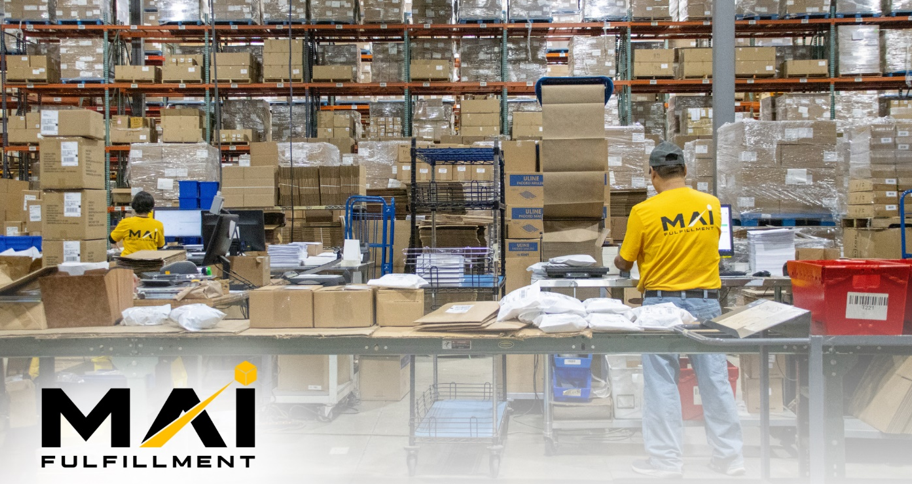
As more brands move from direct-to-consumer fulfillment into retail, they face new challenges. Retail demands precision and coordination. Getting your product into a retailer is one challenge. Shipping to that retailer without errors is the next one. Retail fulfillment takes more than stocked shelves. It calls for systems, teams, and technology that work in sync. Together they keep quality, accuracy, and speed high across every order type. The right retail compliance 3PL helps you get there. It links your data, gives you a clear view of stock, and makes sure every shipment meets both eCommerce and retail standards.
Key takeaways
- Retail fulfillment is a different operation from DTC, not a larger one. The failure modes, the paperwork and the cost of a late shipment are all different.
- Most retail compliance failures are handoff failures. The routing guide sits with the brand, the execution sits with the 3PL, and the gap between them is where deductions come from.
- Retailer deductions are usually automatic rather than negotiated. Prevention is the only real control you have.
- Whether you or your 3PL absorbs a compliance deduction depends entirely on your contract. Most contracts are silent on it until the first one lands.
- A 3PL that handles both DTC and B2B gives you one inventory pool. That matters most when a retail purchase order and a DTC surge compete for the same units.
- Share the routing guide, the EDI requirements and the label specs before your first retail purchase order, not after it arrives.
Why Retail-Ready Fulfillment Matters
Retail growth takes off when a brand and its 3PL plan together on forecasting and strategy. A strong 3PL partnership lets your team see demand shifts coming. You can plan inventory better and build systems that scale with what customers expect. This turns fulfillment from a back-end task into a driver of retail success. It helps your brand improve logistics performance and keep growing with confidence.
How to Choose a 3PL That Is Both DTC and B2B Ready
Retail fulfillment has different expectations than eCommerce. Direct-to-consumer orders are about speed and branding. Retail orders must follow each retailer’s routing guide and packaging rules to the letter. Choosing the right 3PL means finding one that understands both worlds.
Pro tip
Ask a prospective 3PL to name the retailers they ship to today. Then ask for one that has charged them back, and what they changed afterward. Every 3PL claims retail compliance experience. The ones who have it can tell you which retailer’s routing guide caught them out and what they fixed. The ones who don’t will answer in capabilities rather than incidents.
When evaluating potential partners, look for:
- Real retail compliance experience, and staff who know routing guides
- A modern WMS that can run every channel
- Real-time inventory you can see across every 3PL warehouse
- In-house support that gets things right and tells you early
A retail 3PL that also manages DTC fulfillment gives your brand one connected system for all orders. That balance means a consistent customer experience and smooth scaling as you grow into new retail markets.
What changes when you move from DTC to retail shipments
Moving into retail is not your ecommerce operation with bigger boxes. It is a different operation. The rules are different, the documents are different, and so are the ways it fails. Treat it as a scaling problem and you get the first round of deductions. Many brands arrive here after years of parcel shipping, or after fulfilling a crowdfunding campaign. If you want the background, read how e-commerce changed product distribution. In direct-to-consumer, a late order costs you one customer and a refund. In retail, a late or non-compliant delivery costs you a deduction. It also puts a mark on a vendor scorecard your buyer can see. Eventually it can cost you the account itself.
| DTC order | Retail purchase order | |
|---|---|---|
| Who receives it | One consumer at a home address. | A distribution center with a dock schedule. |
| Typical unit | Single item, branded outer. | Cases on configured pallets. |
| Labeling | Carrier label and your own branding. | Retailer-specified carton and pallet labels. |
| Documents required | Tracking number. | Purchase order, ASN and invoice, usually by EDI. |
| Timing | Ship as fast as you can. | Arrive inside a defined window. Not before it, not after. |
| Access | Any delivery, any time. | Booked appointment, approved carrier. |
| Cost of a mistake | A refund and a possible lost customer. | A deduction, a scorecard mark and a talk with the buyer. |
| Feedback speed | Immediate, visible in your own dashboard. | Delayed. Arrives as POS data and remittance detail. |
| Payment | At checkout. | On the retailer’s terms, weeks after delivery. |
The last two rows are the ones that trip brands up. You will not see retail demand or retail problems in real time. And you will have shipped and paid for the goods long before the money comes back. That changes how you plan inventory and how you forecast cash. It also changes how much slack you need in your fulfillment operation before the first order lands.
Steps to Take with Your 3PL to Get Retail Ready
Before you start on the steps, it helps to understand why preparation matters. Working closely with your 3PL during the retail readiness phase keeps your systems, packaging, and communication in line. That teamwork builds efficiency, prevents costly mistakes, and helps you meet what retailers expect. The steps below show how to set up a smooth workflow with your fulfillment partner, one that supports growth and accuracy.
- Audit Your Operations: Review SKU data, packaging, and stock accuracy.
- Share Retail Requirements Early: Give your 3PL every compliance document and each retailer’s rules.
- Align on Packaging and Labeling: Make sure your 3PL can meet pallet, carton, and labeling rules.
- Integrate Systems: Connect your platforms to your 3PL’s WMS so data and orders flow cleanly.
- Run Test Orders: Ship samples before launch to find any gaps.
- Document Standard Operating Procedures (SOPs): Define clear steps and who owns each one, so nothing slips.
Pro tip
Send your 3PL the routing guide the day you receive it. Then set a calendar reminder to send it again every time the retailer issues a revision. Routing guides change without announcement. A warehouse working from last season’s version is compliant with nothing. Name one person at your end who owns the current version. A document everybody can access is a document nobody is reading.
Note
Your 3PL is not a party to your retailer agreement. The retailer deducts from you. You recover from your 3PL only if your fulfillment contract says you can. Read the liability and performance clauses in that contract with the same care you gave the pricing. Get the answer on compliance deductions in writing before the first shipment.
What a retail chargeback is and who pays it
A chargeback is money a retailer takes back out of your invoice because a shipment missed one of their requirements. It is not a fine you are invited to discuss. It is rarely a conversation at all. The retailer’s systems compare what arrived against what their routing guide said should arrive. Where the two differ, a deduction appears on the remittance you receive weeks later. The routing guide is the document that defines all of it. It is issued to you as a vendor. It is revised without ceremony. And you are treated as having read the current version.
Most first-time retail vendors are surprised twice. Once by the deduction itself. Once by how small the underlying mistake was.
| What goes wrong | What the retailer sees | Who usually controls it |
|---|---|---|
| Delivery outside the routing window. | Late or early arrival against the appointment. | 3PL and carrier. |
| No delivery appointment, or a missed one. | Truck turned away at the dock. | 3PL and carrier. |
| Carton or pallet label wrong or unscannable. | Freight that cannot be received into their system. | 3PL, to your label spec. |
| ASN missing, late or not matching the shipment. | Receiving has to count the load by hand. | Whoever transmits your EDI. |
| EDI document rejected or never sent. | No record that the shipment exists. | Brand or its EDI provider. |
| Short shipment or overship against the purchase order. | Quantity received does not match the order. | Brand, on inventory and allocation. |
| Wrong case pack, inner pack or unit count. | Product that does not fit the planogram or the count. | Brand, on specification. |
| Wrong pallet configuration or tie-high. | Freight that cannot be moved or stored as expected. | 3PL, to your spec. |
| Unauthorized carrier or routing. | Freight arriving outside their transportation program. | Brand and 3PL together. |
The question that matters commercially is which of you absorbs the deduction. The answer is not fixed by the industry. It is whatever your fulfillment contract says. Most brands find out what their contract says only after the first deduction lands. Many 3PL agreements are simply silent on retail compliance. Some cap liability at the value of the service performed, not the value of the deduction. A few accept defined liability for errors that are clearly theirs. All three are normal. None of them is a default you should assume.
Settle it in writing before the first purchase order ships. Ask directly whether they accept liability for a deduction caused by their labeling, their loading or their missed appointment. Ask what evidence they need to accept it. Ask how long you have to present a claim. Ask whether the credit comes as cash or as service credit. Then agree on who investigates a deduction when it arrives. A chargeback you do not dispute within the retailer’s window becomes permanent, no matter who caused it. A brand that has had this conversation loses occasional money. A brand that has not loses the argument as well.
The retail requirements your 3PL needs from you
Telling a fulfillment partner to get you retail ready is not an instruction they can act on. They need specific documents and specific decisions from you. Most compliance failures trace back to something in this list that never crossed from the brand to the warehouse. The failure looks operational. It is almost always a handoff.
The routing guide, with its revision date. Send the current version, not the copy you were emailed when the account opened. Guides change. The retailer does not announce it to you. A warehouse working from an old document will comply perfectly with last year’s rules.
The EDI transaction set, and who transmits it. Name which documents the retailer requires. Typically that is the purchase order, the invoice and the advance ship notice. State plainly whether your 3PL transmits them, your EDI provider does, or nobody has been assigned. This is the single most common blank in the handoff.
GS1-128 carton and pallet label specifications. The retailer defines the content, the placement and the print quality. The warehouse applies it. If you have not passed the spec through, they will apply a label that scans in their building and not in the retailer’s.
The ASN and its timing. An advance ship notice is not just a file. It is a file that has to arrive before the freight does. Agree on who generates it, what triggers it, and how it is confirmed as accepted rather than merely sent.
Pallet configuration and tie-high. How many cases per layer, how many layers, pallet type, stretch wrap, slip sheets, and maximum height. You own this as a spec. The warehouse carries it out.
Case pack and inner pack counts. These are decisions you made with the buyer, and the warehouse was not in the room. Confirm them in writing. Confirm what a mixed pallet is allowed to look like, too.
The delivery appointment process. Who schedules, how far in advance, what happens when a slot is missed, and who owns the rebooking. Usually the 3PL or the carrier acts, but only if you have told them the rule exists.
The OTIF window. On-time and in-full is measured against a defined window. Partial shipments count against you even when the retailer accepts them. Both the warehouse and your planning team need the actual window, not the target date.
Packaging, display and ticketing requirements. Retail-ready packaging, shelf-ready cases, price tickets, hang tabs and any display assembly must be specified, sourced and scheduled before the first order. Do not discover them at pick time. If you ship from outside the US, also read what US retailers expect from international suppliers.
Mistakes Brands Make When Preparing for Retail
Many brands make the same mistakes when they first prepare for retail distribution. The most common are overlooking retailer compliance rules, relying on a 3PL that only handles eCommerce fulfillment, and failing to plan for routing windows or lead times. These errors can lead to costly chargebacks, delayed shipments, or damaged retailer relationships.
Another common issue is poor stock control between retail and online sales. If stock is not allocated or tracked properly, you risk stockouts or overages. Both hurt your customers and your retail partnerships. Clear updates and shared data between your own systems and your 3PL can prevent these problems.
A reliable omnichannel 3PL cuts these risks. It knows compliance. It reports openly. Its technology keeps every channel connected. With the right support, your brand can stay accurate, protect retail relationships, and grow smoothly into new markets.
Collaboration and Communication Best Practices with Your 3PL
Working closely with your 3PL is key to a successful retail partnership. Clear, consistent communication helps both sides see challenges coming, share insights, and solve issues quickly. Open channels for updates and performance reviews keep your logistics on track and every team on the same page.
Pro tip
Run one full test shipment to your own address before the real purchase order ships. Use the retailer’s exact carton labels, pallet configuration and ASN timing. It costs a pallet and a few hours. It catches the label placement and case pack errors that make up most first-shipment deductions. Do it even if your 3PL says they have shipped to this retailer before.
Regular check-ins and shared dashboards give your team a clear view of order flow, performance, and likely bottlenecks. The metrics worth tracking are order accuracy, on-time delivery, compliance scores, and inventory turnover. This openness builds trust. It also makes each side answerable for its part. It lets your 3PL act as a true extension of your brand. Put teamwork first and you lay the base for a smooth, efficient retail operation that can grow.
Questions to ask a 3PL before you sign
Every 3PL will tell you they handle retail. The word costs nothing to say. These questions separate the ones who do it weekly from the ones who did it once. In every case, the tell is specificity. A precise answer means the process exists. A general answer means it will be invented on your account.
Which retailers do you ship to today, by name? A good answer is a list with distribution centers attached. A bad answer is a category, such as big box or mass, with no names behind it.
Who at your end reads a routing guide when it is revised, and how do you know it was revised? A good answer names a role and a monitoring process. A bad answer puts it on you to notify them, which means nobody is watching.
Do you transmit EDI yourself or through a third party, and which documents? A good answer names the documents and the provider. A bad answer is that they are EDI capable. That is a software claim, not an operating one.
Under your standard contract, who absorbs a compliance deduction? A good answer is a clause number and a stated process for evidence and credit. A bad answer is that it rarely happens.
What does your on-time and in-full performance look like across your retail accounts? A good answer is a measured number they track internally and will show you. A bad answer is “excellent,” or a promise to start measuring it for you.
What happens when a delivery appointment is missed? A good answer describes who rebooks, how fast, and who tells you. A bad answer is that their carriers do not miss appointments.
Is retail labeling applied at pick or at pack, and who verifies it scans? A good answer includes a scan check before the pallet is wrapped. A bad answer treats labeling as a printing task.
Who builds and verifies the pallet configuration? A good answer asks you for the retailer’s spec before quoting. A bad answer says they will figure it out from the order.
What happens to my inventory when a retail purchase order and DTC demand compete for the same units? A good answer describes allocation rules you set in advance. A bad answer is first in, first out. That means your retail order gets shorted by your own website.
Can I speak to a brand you currently ship retail orders for? A good answer is a name and an introduction. A bad answer is a case study.
How Omnichannel 3PL Services Create Long-Term Retail Success
Omnichannel 3PL services bring every fulfillment channel into one connected network. Your team can manage eCommerce, wholesale, and retail distribution from a single source of truth. With these systems united, your brand can handle changing demand while keeping accuracy and speed.
Pro tip
Agree on an inventory allocation rule in writing before your first retail season. It should say what happens when a retail purchase order and your DTC demand want the same units. Brands with one pool and no rule tend to short the retailer, not the website. The website forgives a backorder. The retailer sends the deduction that actually threatens the account.
A live view of stock means faster restocks, better forecasts, and fewer stockouts. With multiple retail 3PL locations, products stay closer to both retailers and end customers. That speeds up delivery and cuts costs. The result is a fulfillment network built to grow with your business. Every channel stays aligned and set up for the long term.
Using Data and Technology for Retail Readiness
Data and technology play a major role in getting retail ready. Advanced analytics help you understand trends, forecast demand, and make smarter inventory decisions. Automated systems cut manual work, lower the risk of error, and speed up order processing. A tech-enabled 3PL uses real-time dashboards and integrated WMS tools to give you a clear view of order flow and inventory health.
Technology also supports compliance and keeps both sides talking. With shared platforms, both teams can see performance data, shipment timelines, and stock levels at once. That openness builds the partnership. It lets your brand adapt fast when retail demand changes. Use these tools well and every shipment leaves the warehouse accurate, compliant, and ready to go.
Build a Retail-Ready Strategy with the Right 3PL
Getting retail-ready takes coordination and the right partner. MAI Fulfillment delivers proven retail 3PL performance. It is backed by advanced technology and warehouses across the country. Our in-house team manages every order from pick to ship, with full compliance and consistent accuracy. Are you preparing to launch in retail, or improving the channels you have? Either way, MAI Fulfillment gives your brand the tools, data, and support to stay ahead. Partner with MAI to simplify your retail logistics and strengthen your supply chain.
This guest blog was provided by MAI Fulfillment. MAI Fulfillment is a leading 3PL built for businesses that need speed, precision, and room to grow. Our omnichannel fulfillment services connect with over 100 eCommerce platforms. They support both DTC and retail orders. We offer same-day shipping, retail compliance, Amazon FBA/FBM prep and custom packaging. Every order is handled with accuracy and care. We have warehouses nationwide and dedicated in-house support. MAI Fulfillment helps brands expand into retail with confidence.
Free consultation
Talk to a retail expert about your product.
We build the retailer list, the pricing model, and the buyer pitch, so your first meeting starts from your numbers instead of theirs.
Retainer only, no commission · 150+ retailers · No obligation
Frequently asked questions
They are deductions a retailer takes from your invoice when a shipment misses something in their routing guide. A wrong carton label, a missing advance ship notice or a delivery outside the booked window all qualify. They are usually applied automatically, not discussed. That is why prevention, not dispute, is where the effort belongs.
A compliance chargeback is the type of deduction tied to how a shipment was prepared and delivered, not to the product itself. Labeling, packing, paperwork and timing all fall under it. It is separate from deductions for damaged or short product. The two are often confused on a remittance.
Named retail accounts they already ship to. Someone who reads routing guides when they are revised. Working EDI, including advance ship notices. GS1-128 labeling at spec. Appointment scheduling they own. And a contract that says plainly who absorbs a compliance deduction. Capability claims without those specifics are not evidence.
Many can. The advantage is a single inventory pool with one view of stock across both channels. The thing to settle in advance is the allocation rule. When a retail purchase order and a DTC surge want the same units, somebody has to be short. Decide which before the season, not during it.
Before the first purchase order arrives, not after. Three to six months before your retail launch is a sensible lead time. The routing guide, the EDI connection, the label specs and a test shipment all take time that a purchase order does not give you. If you are in buyer conversations, that is the point to start talking to your 3PL.
It varies, which is exactly the problem. At some providers it is a dedicated compliance role. At others it falls to an account manager, or to nobody in particular. Ask for the name and the role during evaluation. An unowned routing guide is the single most reliable source of deductions.


