Planning to attend or exhibit at a trade show in 2027? Whether you’re a first-time attendee or a seasoned trade show professional, trade shows offer an incredible opportunity to network, discover new products, and grow your brand. But to get the best results, it’s essential to understand the key do’s and don’ts. Below is your complete guide to navigating trade shows with confidence.
Key Takeaways
- Most people searching trade show advice are exhibiting, not just attending, and the two roles need different preparation.
- Research the exhibitor list and book the meetings that matter before you arrive. The buyers worth meeting fill their calendars before the doors open.
- Business cards are no longer the mechanism. Capture the context of the conversation, because a badge scan with no note is worthless by Friday.
- Do not sell to other attendees, and do not monopolize an exhibitor who is mid-conversation with a buyer.
- Dress for the floor you are on. Under-dressing is read as not being serious, and you will be standing for eight hours.
- Almost every show lead that dies, dies because nobody sent the second message.
- The four shows that matter most to product brands, CES, Toy Fair, the Inspired Home Show and the National Hardware Show, all run in the first quarter, so planning happens the previous Fall.
Need Help Navigating the Retail Landscape?
Our team of experienced retail consultants (who were once former large retail buyers) can help you identify the right retail channels, prepare your brand for buyers and develop a strategy for retail growth.
Are You Attending or Exhibiting?
Work out which side of the table you are on first, because the advice changes. Most of what follows applies to both: plan your time, know who you want to meet, capture the context of every conversation and follow up fast. The exhibitor-specific do’s and don’ts are further down the page, along with the lead capture and follow-up sections, which matter far more to exhibitors than to anyone else in the hall.
The Do’s for Trade Show Attendees
Want to maximize your trade show experience? Start with these essential do’s:
Do Your Research Before the Show
Spend time researching the event’s layout, exhibitors, speakers, and schedule. This helps you prioritize your time, budget effectively, and avoid missing important opportunities.
Do Create a Must-Visit List
Identify the companies, exhibitors, and booths you want to connect with. A list keeps you organized and ensures you hit all your key targets.
Pro Tip: Email the ten exhibitors you most want to meet two weeks before the show and ask for fifteen minutes at a specific time. Booth staff talk to whoever is standing there, so a booked slot is the difference between a real conversation and a brochure. Name the product and the reason in two sentences, and expect roughly half to say yes.
Do Bring Plenty of Business Cards
Trade shows are all about networking. Having enough business cards makes it easy to exchange contact info and leave a professional impression.
What Actually Captures a Lead Now
Business cards are not how most floors work anymore, and planning your show around them will cost you leads.
Most events now run on badge scanning. You scan a badge, you get the contact record the organizer holds: name, company, title, email, sometimes a phone number. What the scan does not capture is the entire reason the conversation mattered. It does not know that the person is the buyer for your category, that they asked about your case pack, that they are resetting in the spring or that they told you to call them after the show. All of that lives in your head, and it has an extremely short shelf life.
So the discipline is simple. Add a note to every contact while you still remember the conversation, before the next person reaches the booth if you can manage it. A few words is enough: who they are, what they asked, what you promised, and whether they are worth a call or a catalog. A scan with a note is a lead. A scan with no note is indistinguishable from the fifty others by Friday, and it is why so many brands come home with a long list and no meetings out of it.
Agree on how you are doing this before the doors open, so everyone on the stand records the same things in the same place. Whether that is the organizer’s app, a shared spreadsheet or a note field in your CRM matters much less than everyone using it.
Cards have not disappeared. In some categories, and at international shows in particular, exchanging a card is still the expected courtesy and refusing one is awkward. Carry some. Just do not mistake the ritual for the record. The point is capturing the context, not the contact.
Do Follow Up After the Event
The real value of a trade show often comes afterward. Follow up within a few days—send a message, connect on LinkedIn, or share resources discussed at the show. This solidifies new relationships and keeps you top-of-mind.
Following these trade show best practices will help you build meaningful connections and gather valuable industry insights.
A Follow-Up Sequence that Actually Gets Replies
Everyone says follow up. Almost nobody says when, or what to send, so most show leads die in the gap between good intentions and the following month.
While the show is still running. Send a short message the same day you meet someone, particularly for a buyer conversation that went well. Two or three lines: who you are, what you talked about, what you agreed to send. This lands while they can still place your face, and it beats the wave of messages that arrives the Monday after. It also gives you something to reference when you follow up properly.
Within the first working week. This is the real follow-up. Reference the specific conversation, not the show. “Great to meet you at the show” is what a mailshot says, and buyers come home to a stack of them. “You asked whether we could do a mixed case for the spring reset, here is how that works” is a reply to a person. Send what you promised and nothing else. For a buyer, that means the sell sheet for the items they asked about, your commercial terms and your lead time, not a full catalog. A catalog makes them do the work of finding the item they already told you they wanted.
The second touch, once they have had time to dig out of their inbox. This is the message that gets answered, and it is the one almost nobody sends. Keep it short, add something new rather than repeating yourself, and make the next step easy to say yes to: a sample, a short call, an answer to the one question that was still open. No reply to a first email is not a no. Buyers come back from a show to a full inbox and a category to run.
After that, put them on a slow, useful cadence rather than chasing. The honest pattern is that most show leads go cold because nobody sent the second message, not because the first one was wrong.
The Don’ts for Trade Show Attendees
Avoiding common mistakes can be just as important as what you do.
Don’t Try to Sell to Other Attendees
Trade shows are networking events—not a place for hard sells. Focus on creating genuine connections and let the business conversations develop naturally.
Don’t Overwhelm Exhibitors
Exhibitors are often busy speaking with multiple attendees. Keep your questions focused and ask only for information you truly need.
Pro Tip: Read the booth before you approach it. If two people in badges are in a serious conversation at the table, that is a buyer meeting and you are about to interrupt a deal. Come back in twenty minutes and you will get a far better reception than the person who walked into the middle of it.
Don’t Dress Too Casually
Dress code matters. Business casual is usually the safest choice and helps you present yourself as a professional.
By steering clear of these trade show pitfalls, you’ll create a smoother, more productive experience for yourself and those around you.
The Do’s and Don’ts for Exhibitors
Standing behind the table is a different job, and most of what goes wrong at a booth is decided before the show opens.
The Do’s
Do book your meetings before the show. The buyers worth meeting arrive with full calendars. They booked those meetings weeks ago, with brands who asked weeks ago. Walk-up traffic is what fills the gaps between your appointments, not what makes the show worth the money.
Do put the product where a passer-by can touch it. Not behind the table, not in a case, not on a screen. In hardlines especially, people decide with their hands. A product someone picks up gets a conversation, and a conversation is the only thing on the floor that is worth anything.
Do staff the booth with someone who can answer a commercial question. If a buyer asks your wholesale price, your case pack or your lead time and the answer is that they will check and get back to them, the moment is gone. Whoever is in the booth should be able to answer without a phone call.
Do decide in advance what a good lead looks like. Number of people through the booth is not a result. Knowing which conversations you want and what you will ask to qualify them turns a busy day into a list you can work on Monday.
The Don’ts
Don’t sit down. A seated person behind a table reads as closed. People walk past rather than interrupt, and you will never know how many.
Don’t eat at the booth. Take the break somewhere else, and stagger it so the booth is never left empty. A buyer with a free slot between meetings does not come back later.
Don’t hand your giveaway to everyone who walks past. This is the question everybody asks, and the honest answer is that the item matters far less than whether it earns a conversation. A giveaway handed out at arm’s length buys nothing. The same item, offered to someone who stops and talks, gives you a reason to keep them there and a reason for them to remember you. Choose something small enough to carry, useful enough to keep and clearly connected to what you sell.
Don’t treat the badge scan as the lead. A scan is a name. Without a note about what was actually discussed, it is indistinguishable from every other scan in the file by the end of the week.
Tips for First-Time Trade Show Attendees
If it’s your first trade show, the experience can feel overwhelming. Here are some practical tips to help you get comfortable quickly:
Plan Your Route
Use the show map and plan which booths to visit first. Prioritizing prevents you from wandering aimlessly and ensures you hit key exhibitors before the crowds grow.
Be Open to Conversation
Trade shows are built for networking. Don’t hesitate to introduce yourself—it’s expected and encouraged.
Follow Up Quickly
Send a short follow-up message within a couple of days. Reconnecting helps build long-term relationships.
With the right preparation, even first-time attendees can walk away feeling confident and accomplished.
Pro Tip: Write your follow-up notes on the floor, not on the flight home. One line per contact, what they asked for and what you promised, typed into your phone within a minute of the conversation ending. By day three every booth looks the same in memory, and a follow-up that references the specific thing they asked about is the only kind that gets a reply.
4. Top Trade Shows to Attend or Exhibit in 2027
The shows below are the right four for hardlines brands, and the season to plan for now is 2027. If you are reading this after the current season has run, the useful question is no longer which show to attend, it is what you need to have decided by now to be ready for the next one.
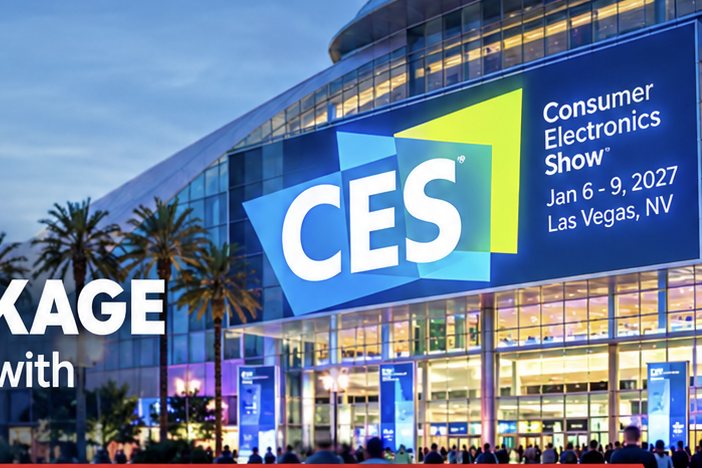
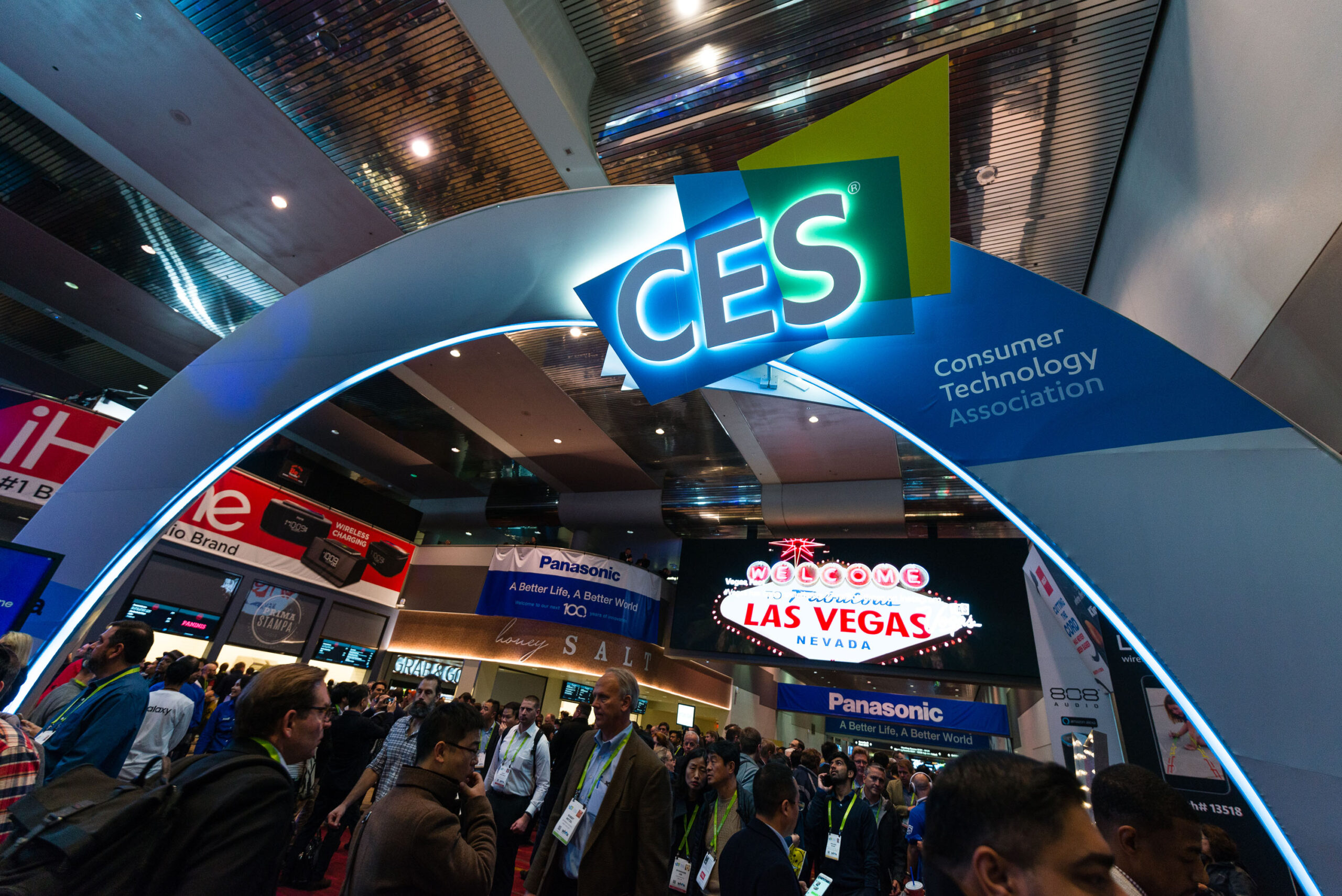
Consumer Electronics Show, Las Vegas. The show for consumer electronics and connected products, from established manufacturers to first-time startups.
Toy Fair, New York City. The largest toy and collectibles event, with buyers, manufacturers and product innovators in one hall.
The Inspired Home Show, Chicago. North America’s home and housewares event, and the right room for home goods and lifestyle products.
National Hardware Show, Las Vegas. Hardware, tools, home improvement and DIY, and the most direct route to buyers in those categories.
Attending and exhibiting are planned on completely different clocks.
| Attendee | Exhibitor | |
| First decision | Whether the show is worth the travel and the days out | Whether you are exhibiting at all, and at what size |
| Booked earliest | Hotel and flights, which get tight and expensive near the date | Booth space, which is allocated well ahead and where the good positions go first |
| Middle of the planning | Badge registration and the exhibitor list, to build a must-visit list | Award and new product showcase entries, which close long before the show |
| Closest to the show | Booking specific meetings with exhibitors you want to see | Booked buyer meetings, samples, booth build, stand staffing |
| On the day | Route, notes, contact capture | Product in hand, commercial answers ready, lead capture discipline |
Check each show’s official site for the current dates, the venue and the registration windows rather than carrying last season’s details forward. Venues and dates move, and the entry deadlines for awards and new product areas move with them.
Pro Tip: Walk a show as an attendee one year before you exhibit at it. A day on the floor tells you which aisle your category sits in, what the booths around you will look like, and whether the buyers you want are even there, all for the price of a badge. Brands that skip this step routinely buy the wrong booth in the wrong hall.
Ready to Launch Your Product Brand Into Retail?
If you’re ready to bring your product into major retailers but need help navigating the process, Retailbound can guide you every step of the way. Schedule a free consultation with one of our retail experts and discover how to get your product retail-ready, connect with the right buyers, and drive long-term retail growth.
Frequently Asked Questions
What are common trade show mistakes?
For attendees, arriving without a plan and trying to see everything, then failing to follow up. For exhibitors, waiting for traffic instead of booking meetings in advance, staffing the booth with people who cannot answer a pricing or lead time question, and treating a badge scan as a lead. The largest one on both sides is the second message that never gets sent.
How to attract people to your trade show booth?
Put the product where someone walking past can pick it up, make it obvious in two seconds what it does, and have a person standing at the front of the booth rather than sitting behind a table. Booked meetings bring the people who matter; the booth’s job is to catch the ones you did not know to invite.
What to give away at a trade show?
Something that earns a conversation rather than something that gets taken. The item itself matters far less than whether it is handed over after an exchange rather than grabbed from a bowl. If budget is tight, a sample of your own product given to someone who has actually talked to you beats a branded pen given to a thousand people.
How to dress for a trade show?
Match the floor, then pick for endurance. A hardware show and a housewares show do not look the same, so check photographs from the previous edition. Whatever you choose, you will be standing and walking for most of a day, so the shoes decide how you feel by the afternoon and that shows in how you talk to people.
What are common booth mistakes?
Sitting down, eating at the table, both staff on their phones, a booth that does not say what the product is from ten feet away, and no way to capture who visited with any context attached. Each one is small and each one costs conversations across a three-day show.
About the Author
Yohan Jacob, President and Founder of Retailbound, leads one of North America’s top retail channel management consultancies. Retailbound specializes in helping product creators—from startups to established brands—successfully navigate retail buyer relationships, develop winning retail strategies, manage sales channels, and execute effective retail marketing campaigns. With deep experience across more than 150 U.S. and Canadian retailers, Retailbound empowers brands to grow in-store and online with confidence.