Advice
5 Reasons Trade Shows Are Valuable for Product Startups
Five reasons a trade show still pays off for a product startup, what it really costs beyond the booth, and how to tell a buyer show from a networking show.
 Yohan Jacob
15 min read
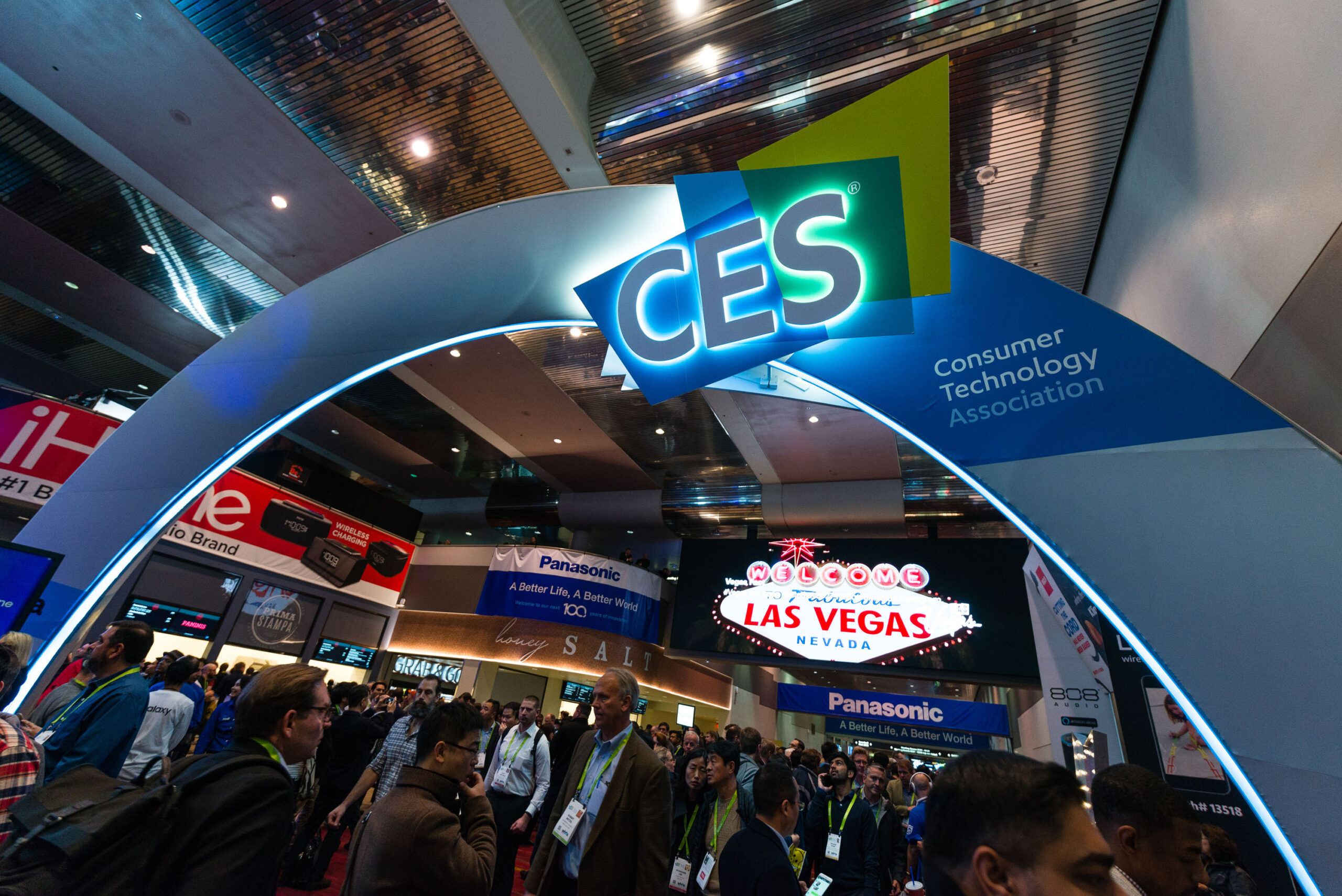
Trade shows can look like an old marketing idea in a digital world. So, are trade shows worth it for startups? For product startups, yes. They are still a strong way to build your brand, get noticed and meet the right people in your industry. These events bring together manufacturers, retailers, distributors, media, investors and other businesses from around the world.
For a product startup, the right show gives you face time with potential partners, members of the media and other companies in your field. Here are five reasons trade shows can pay off for product startups.
Key takeaways
- Trade shows are no longer a cheap way to buy awareness. But they are still one of the few places a retail buyer will meet a brand they have never heard of.
- The quoted booth price is a fraction of the real cost. Drayage, venue power and internet, shipping both ways and staff time often cost more than the space itself.
- Award programs and press rooms are the cheapest part of a show. Most first-time exhibitors never use them, even though both are open to them.
- A show floor is the only place you can see every competitor’s packaging, pricing and positioning side by side in one afternoon.
- Book the show for the meetings, not the traffic. If you can’t follow up within a week, the money is wasted, whatever the booth cost.
- Match the show to your stage. A consumer show and a retail buyer show look alike in the brochure. They produce very different results.
Are trade shows still worth it in 2026?
You have probably seen the argument that trade shows are finished. Video calls, digital outreach and online marketplaces replaced them. Part of that argument is right. Pretending otherwise is why so much writing on this subject reads like sales material.
Here is the honest position. Trade shows are a worse advertising channel than they used to be. Broad exposure is the part of the old pitch that no longer holds. If you want a lot of people to see your product, digital channels reach more of them. They target better and cost less per impression. The trade show version of that outcome is a few days of attention and a stack of business cards. Paying show rates just to be seen is the weakest reason to exhibit.
The meeting has become more valuable, not less. Access is the scarce thing now. A retail buyer who won’t take a cold call and doesn’t open cold email has no reason to give a new brand a video call. But that same buyer will walk a show floor for two days, on purpose, looking at products in your exact category. They are there to find new suppliers. They will stop, pick up your product, look at the packaging, ask your wholesale price and take a sell sheet. That conversation is very hard to buy any other way. The people you meet there can also be distributors, sales reps and manufacturers, not only buyers.
So the useful question is not whether trade shows still work. It is what you plan to use one for. Booked as an advertising buy, a show will disappoint. Booked as a way to get in front of a specific list of buyers, it still works. Arrange meetings in advance. Put a retail-ready product on the table. Have someone ready to follow up the week after. Do that, and a show remains one of the few reliable routes into a conversation that otherwise never happens.
1. Generate Media and Brand Exposure
Trade shows are a good place for product startups to meet journalists, bloggers, influencers and other media people who cover your industry. Media attendees are often looking for new products, new brands and new technology to feature in their publications and content.
Pro tip
Email the show’s press contact for the media list four to six weeks out. Then pitch the three trade titles on it directly before the show. Don’t wait at your booth. Journalists walking the floor have already built their schedule. The press room is where the story gets assigned, not the aisle.
Before the event, prepare a professional press kit. Include a press release, high-quality product images, videos, company information and key product specs. Share it with media people who attend the show, and with journalists who could not make it.
You can also extend your trade show marketing beyond the event itself. Use the show’s official hashtags, tag the event on social media, and talk with other exhibitors and industry leaders. These small steps raise brand awareness. They also introduce your company to potential customers and business partners. Our tips for exhibitors at trade shows cover how to make your booth presence work harder on the day.
Another benefit is that your company may be listed on the trade show’s website as an exhibitor. That gives you extra exposure to retailers, distributors, media, industry professionals and other businesses searching for products in your category.
2. Take Advantage of Trade Show Award Opportunities
Many major trade shows recognize new products with awards for design, engineering, technology and overall innovation. For a product startup, a trade show award is valuable third-party recognition. It also gives your brand another marketing asset to use after the event.
Pro tip
Award entry deadlines usually close weeks before the show, and often before booth selection closes. So check the entry date the same day you book the space. Entry is often included with exhibiting, or costs a fraction of the booth. A finalist badge on the booth is the one thing that makes a buyer stop walking.
If your product is picked as a finalist or winner, say so everywhere. Put it on your website, social media channels, sales materials and retail sell sheet. An award helps set your product apart from competitors. It adds credibility when you introduce your brand to retailers, distributors and customers.
Even a finalist spot, or a place on a list of notable products, can give your startup extra exposure. It also gives you an easy way to start conversations with industry professionals.
3. Research Your Competition
Walking into a trade show with thousands of products on display can be exciting. It can also be intimidating. For product startups, though, seeing so many competing products in one place is valuable competitive research.
Pro tip
Walk the floor with your phone. Photograph competitor packaging from six feet back, the distance a buyer judges from. Then photograph their price cards and shelf talkers. That single afternoon tells you more about where your product sits than any report. You are seeing what buyers are being shown this season, not last year’s data.
Visit competitor booths. Pay attention to their product features, packaging, pricing, merchandising, demos and marketing messages. Look at how established brands position their products, and what seems to draw attendees in.
Trade shows can also help you spot gaps in the market. You may find products that compete directly with yours. You may find complementary products that could lead to partnerships. You may also spot new trends that could shape your future product development.
Don’t just see competitors as a threat. Use the show to learn what successful companies are doing, and find ways your brand can stand apart.
How to tell a retail-buyer show from a networking show
Before you pay for space, read the exhibitor kit and attendee profile like a buyer of advertising, because that is what you are. The answers to these questions are usually public. Where they are not, the organizer’s sales team will answer them if you ask directly. A show that cannot answer them is a networking show. That is fine, if networking is what you wanted. The same checks apply when you are preparing for a major show like CES.
- Does the attendee breakdown name retailer job titles, or only industries? Profiles that say buyer, category manager or merchandiser tell you something. Profiles that say industry professionals tell you nothing. The vagueness is usually deliberate.
- Are named retailers listed as past attendees? Real names, ideally the ones you are targeting. A logo wall of retailers who attended is the strongest signal on this list. Its absence is also a signal.
- Is there a buyer matchmaking or appointment program? Shows built around retail meetings run scheduled appointments, hosted buyer programs or matchmaking platforms. Shows that are not built around retail meetings don’t bother. There is nothing to match.
- Is the floor organized by category? Buyers walk a category, not a hall. If the floor plan groups exhibitors by product type, buyers can find you. If placement goes to whoever booked first, you are relying on foot traffic.
- Is there a new product or first-time exhibitor area? These exist because buyers ask for them. They put the people looking for new brands in one place. For a startup, being in that area is usually worth more than a better spot elsewhere.
- Does the organizer run an awards or innovation program? Awards draw press and buyer attention to new products. Entering is a low-cost way to be visible beyond your booth. A show with no such program is not built for new brands.
- Will you receive an attendee list afterward? Follow-up is where the value is. Some organizers supply a list of attendees or scanned leads. Some do not. Find out before, not after.
- Who exhibits in your category, and did they come back? Repeat exhibitors are the best proof that a show produces business. If the brands in your category exhibited last year and are not returning, ask one of them why.
4. Establish Strategic Business Partnerships
Trade shows bring together companies from across an entire industry. That makes them a great place to build strategic business partnerships.
Pro tip
Book your follow-up while you are still standing in the booth. Put the meeting in both calendars on the spot. Don’t promise to reach out later. The same buyer will collect dozens of cards that day, and yours will not be remembered by Monday.
As a product startup, you may meet distributors, manufacturers, sales reps, marketing agencies, technology partners, retailers and complementary brands. A conversation that starts on the show floor could lead to a distribution deal, a co-marketing campaign, a product collaboration or another business relationship. It could even be the start of planning an in-store product launch with a retailer you met in the aisle.
The key is to go in with a clear idea of the partners you want to meet. Research exhibitors and attendees before the show. Schedule meetings when you can. Have a short, clear explanation of your product and business ready.
The value of trade show networking often lasts well beyond the event. Following up with the people you meet can turn a brief introduction into a long-term business relationship.
5. Build Valuable Industry Connections
One of the biggest benefits of a trade show is meeting people face-to-face. You can talk with other entrepreneurs, retailers, buyers, distributors, manufacturers, media professionals and industry experts who share an interest in your market.
For a product startup, these relationships are especially valuable. Conversations with experienced people give you insight into your industry. They can introduce you to new opportunities. They help you understand how your product fits into the market.
Trade shows also let potential customers and partners meet the people behind your brand and see your product in person. That personal contact creates a stronger bond than a website, email or social post alone.
Note
Leads collected at a show decay fast. The contact who remembers your product on Thursday will not the following Friday. Every other exhibitor is emailing them in that same window. Decide who sends the follow-ups, and when, before you pay for the booth. Not after you get home.
What a trade show actually costs a product startup
The booth price is the number you get quoted. It is also the smallest part of what you will spend. Most of the cost of exhibiting sits in lines that are not on the space contract at all. First-time exhibitors find them one at a time, after the budget is already set. Here is the whole list, so you can price it before you commit rather than after.
| Line item | What it covers | How to price it |
|---|---|---|
| Booth space | The floor area itself, and usually nothing else | The organizer’s rate card, by size and by spot on the floor |
| Booth build and graphics | Structure, display, printed graphics, furniture and flooring | Quotes from a builder, or rental from the show’s official supplier |
| Drayage and material handling | Moving your freight from the dock to your space and back again | The exhibitor kit, priced by weight and by shipment type |
| Electrical, internet and rigging | Power, connectivity and anything hung above your booth | The venue’s order form. Early-order and on-site rates differ |
| Inbound and outbound shipping | Getting your booth, product and samples to the show and home | Freight quotes. Remember the return leg is a second cost |
| Travel and hotel | Flights, hotel at show rates, ground transport and meals | Show block rates, booked early, for everyone attending |
| Samples, sell sheets and giveaways | Product to show or hand out, printed materials, packaging | Your own production and print costs |
| Staff time | Days spent building, standing the booth, and following up afterward | Count the days away from the work those people normally do |
Two lines surprise first-time exhibitors more than any others. Drayage is the first. Moving your own crates a short distance inside the building is a charged service. It is priced by weight, and it is not optional. The second is anything ordered through the venue. Power, internet and rigging come from designated contractors, and their rates rise once the advance deadline passes.
Don’t take general numbers from anyone, including this article. Costs move by venue, by city and by hall. Download the exhibitor kit for the specific show you are considering. Put every line above into a spreadsheet and price each one from that kit. Then compare the total, not the booth price, against what else that money could buy. The margin you worked out when pricing your product for retail has to cover this whole total, not just the booth. That comparison is the real decision, and very few founders make it before signing.
When a trade show is the wrong spend
Sometimes the money really does go further elsewhere. Four situations come up again and again. Each one can be checked before you book, rather than discovered on the floor.
Is the product retail-ready? A buyer who likes what they see at your booth will ask about pricing, packaging, case packs, lead times and compliance. The conversation moves at the speed of your answers. If the product is still in samples, if the packaging is a mockup, or if you can’t quote a wholesale price with confidence, interest can’t turn into anything. The meeting happens, the follow-up dies, and you have paid to be remembered as not ready. Ask yourself whether you could accept an order placed at the show.
Who will follow up, and when? Leads collected at a show decay fast. The brands that convert are the ones contacting people within days, while the conversation is still fresh. If the person standing the booth is also doing everything else in the business, and the week after the show is already full, the leads will sit. A show with no follow-up capacity behind it is an expensive brand awareness exercise. Ask yourself who is blocked out for the two weeks after the show, and what they will do with that time.
Does the show’s audience match what you want from it? Some shows are built for retail buyers, some for consumers, some for the trade in general. A consumer show can be great for product feedback and direct sales. It will produce almost no buyer meetings. A trade show can put you in front of buyers and sell very little product on the day. Both are useful. They are not interchangeable. Paying for one while hoping for the other is the most common way this money is wasted. Ask yourself what a successful show looks like in specific terms. Then check the attendee profile against it.
Is the launch date close enough to matter? Buyer conversations have a shelf life. If your product won’t be available for a long time, the buyer can’t act on their interest. By the time you can supply, the conversation has to start again from nothing. The exception is a category with a long review calendar, where early conversations are how the calendar works. Ask yourself whether someone who wants your product at this show could actually buy it within their planning window.
Make Trade Shows Part of Your Product Startup’s Growth Strategy
Trade shows take time, money and preparation. So product startups should be choosy about which events they attend. Focus on shows where your target customers, retailers, distributors, media and potential partners are likely to be.
With the right preparation and follow-up plan, a trade show can deliver much more than a few days of exposure. It can help your startup build brand awareness, earn media coverage, research competitors, develop partnerships and make valuable industry connections.
Free consultation
Talk to a retail expert about your product.
We build the retailer list, the pricing model, and the buyer pitch, so your first meeting starts from your numbers instead of theirs.
Retainer only, no commission · 150+ retailers · No obligation
Frequently asked questions
They pay off when the outcome you are buying is meetings, not impressions. A trade show is an expensive way to be seen. It is a cheap way to get in front of a retail buyer who would not take a cold call. If you can turn conversations into follow-up appointments within a week, the spend usually justifies itself. If you can’t, it won’t, whatever the booth cost.
It depends on which side of the floor you are on. Consumer expos sell product and build awareness with shoppers. Trade expos put you in front of buyers, distributors and press. Founders most often waste money by booking a consumer expo while hoping for retail buyers. The two look similar in the brochure.
The trade show as an advertising channel has declined. Buyers no longer need a show floor to learn that a product category exists. The show as a meeting venue has not declined. A retail buyer who ignores email will still walk an aisle and pick something up. Judge a show by the meetings it can produce, not the foot traffic it reports.
The usual ones are budgeting for the booth and not the show, staffing the booth with people who can’t answer a pricing question, bringing brochures instead of samples, waiting for traffic instead of booking meetings in advance, and going home with a stack of cards and no follow-up plan.
There is no single answer, because the booth is the smallest part. Price six lines from your show’s exhibitor kit before you commit: space, build and graphics, drayage, venue power and internet, freight both ways, and travel. Costs move sharply by venue and city. A figure from another show tells you nothing about yours.
To pack a year of industry meetings into a few days in one building. For a product startup, that means buyers, distributors, press and potential partners are all reachable in the same week. That is the only reason the cost makes sense.