Launching a new product is a thrilling adventure, especially for startups offering innovative products. The excitement of seeing your product on the shelves or featured in an online marketplace is unmatched. However, one critical decision can significantly impact your startup’s trajectory — choosing where to launch. While Amazon may seem like the obvious choice given its vast reach and influence, starting with select retailers might be the smarter move for innovative product startups. This blog explores why paving your path through select retailers before jumping into Amazon can be a game-changer and offers insights and strategies to help you succeed.
The Amazon Dilemma
Undoubtedly, Amazon is a retail giant and a tempting platform for startups looking to gain massive exposure. With millions of potential customers, it promises a broad reach which can be enticing. But here’s the catch — it’s not as easy as listing your product and watching the sales roll in. The competition is fierce. Thousands of sellers are vying for attention, and standing out in this crowded marketplace is no mean feat.
The challenge of visibility is exacerbated by Amazon’s algorithms, which favor products with established sales histories and positive reviews. Newcomers often find themselves buried beneath a sea of established competitors. Additionally, the pressure to engage in deep price cuts or pay for expensive advertising campaigns can squeeze profit margins. For innovative products with unique selling points, this can lead to undervaluation and misunderstanding of the product’s real worth. For many startups, launching on Amazon first is like casting a tiny fishing line into an ocean full of enormous nets.
What Amazon Exposes that a Retail Shelf Does Not
The usual argument against launching on Amazon is that it is crowded and expensive. Both are true and neither is the real point. The real point is that listing makes several things public and permanent, and a retail test does not.
Your price, forever. The moment you list, you have published what your product costs. Every retail buyer you later meet will look at it, and it sets a ceiling on what they believe they can charge. Shoppers do the same. A price set low to get early traction is not a promotion, it is an anchor, and moving up from it is far harder than starting higher and discounting later.
Early reviews of a product you have not finished iterating. The first production run is rarely the best one. Reviews written about it stay attached to the listing, and a reader has no way of knowing whether the complaint describes the version currently for sale. You can improve the product. You largely cannot improve its review history.
A review count that starts at zero against listings with thousands. In a marketplace, review volume is both a ranking input and a trust signal, and the gap between a new listing and an established one is not something you close with a good product. It takes time and sales, and sales are what the gap is preventing.
Third-party sellers listing against you. Once your product exists on the platform, others can list against it, and controlling who sells your item and at what price becomes an ongoing job. To a retail buyer, a listing where several sellers are undercutting each other says the brand does not control its own distribution.
Advertising costs that become a floor, not a launch expense. Visibility for a new listing is generally bought. The problem is that once the spend produces the sales that hold the rank, reducing it tends to reduce both. What looked like a launch cost turns into a permanent line in the unit economics.
A permanent record of a launch that did not work. This is the one that matters most for the sequencing argument. An underperforming listing, with its reviews, its rank and its price history, sits in public and is visible to everyone, including the buyers you will later pitch. A retail test that goes badly is seen by one buyer, in one chain, and can be learned from quietly. That asymmetry is the strongest practical argument for which way round to do this.
Benefits of Select Retailer Launch
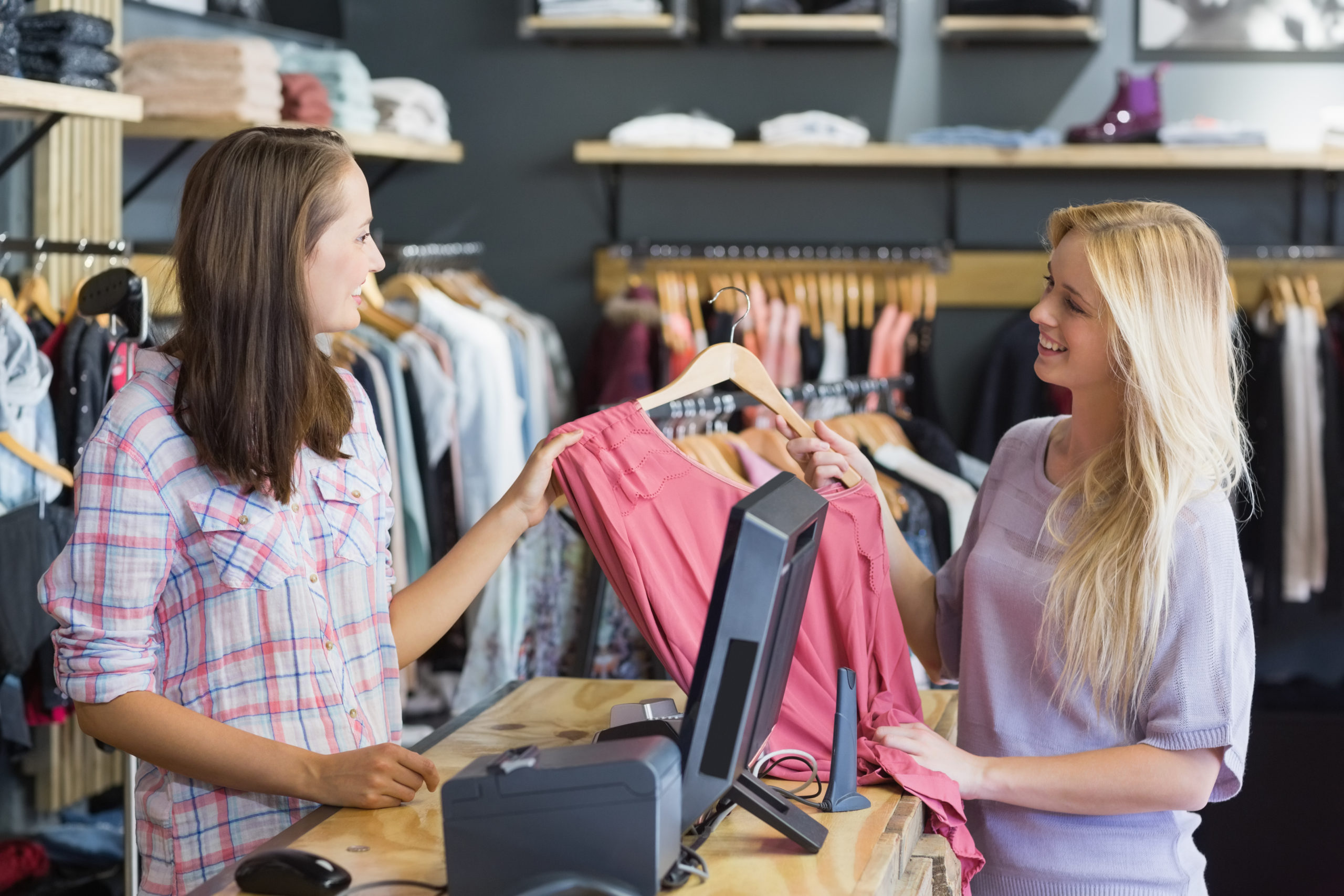
Starting your product’s life cycle with select retailers offers a myriad of benefits that can help build a strong foundation for your brand. Firstly, partnering with select retailers allows you to target a more defined audience. Retailers often have dedicated customer bases that trust their product curation. By launching in these stores, you tap into an existing community that is likely to appreciate and advocate for your niche product.
Additionally, select retailers can provide opportunities for building brand recognition. They often give more personalized support and attention to emerging brands, offering them a platform to tell their story and showcase their product’s unique attributes. This personalized attention helps in building a loyal customer base, which is invaluable for startups in the long run. Establishing a foothold before heading to Amazon means your product already has a story and a reputation that precedes it.
Navigating the Selection Process
Choosing the right retailers to partner with is crucial. Start by conducting thorough market research to identify retailers that align with your brand values and target audience. Consider factors like the retailer’s reputation, customer demographics, and overall brand fit.
Pricing and positioning are equally vital. Your product should be priced competitively yet reflect its value proposition. Retailers that align with your pricing strategy and can highlight your product’s unique features are ideal partners. Open communication and a shared vision with the retailer can lead to successful collaborations and growth opportunities.
Preparing for Amazon
After building a solid foundation with select retailers, the transition to Amazon can be seamless and fruitful. Utilize the momentum and positive feedback garnered from your initial launch to refine your Amazon strategy. Focus on building a robust online presence by encouraging satisfied customers to leave reviews and share their experiences.
Strategies like optimizing product descriptions, using high-quality images, and engaging with customer queries promptly can enhance your Amazon launch. Consider leveraging social media and other online platforms to drive traffic to your Amazon listings, creating a buzz that mirrors your success with select retailers.
Your Amazon Listing is the First Thing a Retail Buyer Checks
Assume that before any buyer meeting, someone on the other side searches your product and looks at the listing. It takes them a minute and it happens before you have said a word.
What they see, in roughly this order, is your price, your rating and review count, your images, and whether the listing looks maintained. Each of those answers a question they were going to ask you anyway, and the answer they get from the screen is the one they will believe.
The price is the most consequential. Your listing price tells a buyer what the market has already been told the product is worth, and it caps what they can realistically charge on their shelf. If your listing sits well below the shelf price you are proposing, you are asking them to sell the same item at a premium to a shopper with a phone in their pocket. If you have been running heavy discounts, that history is visible too, and it reads as a product that does not hold its value.
The reviews are the second. A handful of critical reviews about a fault you fixed several production runs ago is read as current information, because nothing on the page says otherwise. Low review volume tells them the product has not been tested at scale. And multiple sellers on your own listing tells them you do not control your channel, which raises the question of whether their shelf price will be undercut the week after launch.
Before you pitch, check your own listing the way a buyer would:
- Is the current price consistent with the shelf price you intend to propose?
- Does the review history reflect the product as it exists now, or an earlier version?
- Is the rating something you would be comfortable having read aloud in the meeting?
- Are the images current, accurate about scale, and showing the packaging that will be on their shelf?
- Is anyone else selling on your listing, and can you say what you are doing about it?
- Are the title, bullets and specifications accurate and complete?
- Is there anything on the page that contradicts what you are about to claim?
All of this is fixable, and none of it is fixable quickly. Prices take time to move without damaging sales. Review profiles take volume to shift. Unauthorized sellers take enforcement. Which is itself the argument about sequence: the order you do these two channels in determines whether your Amazon listing is evidence for you or against you when the retail conversation finally happens.
The Road Ahead
Launching with select retailers before Amazon offers strategic advantages for innovative product startups. By building brand recognition, fostering customer loyalty, and refining your product’s market position, you create a solid foundation for future success. The path you choose can influence your startup’s trajectory, and thoughtful planning can lead to continuous growth beyond Amazon.
Consider your launch strategy carefully and explore various avenues before making decisions. By doing so, you’re setting your startup up for success in the highly competitive world of e-commerce. If you’re interested in learning more about effective launch strategies or seeking assistance tailored to your startup’s needs, explore our resources or reach out to industry experts for guidance. Your innovative product deserves the best start possible, and with the right approach, you can achieve remarkable growth and success
A Sequence for Doing Both
The two channels are not alternatives. They are stages, and the order matters more than the choice.
| Launch in retail first | Launch on Amazon first | |
| A poor result is | Seen by one buyer, in one chain | Public, permanent and searchable |
| Your price is | Set at full shelf value from the start | Published immediately and hard to raise |
| Reviews come from | Customers you can ask, after the product is proven | Whoever buys the first production run |
| Feedback you get | How it performs in an aisle, against real competitors | Conversion data, fast and detailed |
| Cost to enter | Production run, packaging, compliance, slower | Lower to start, advertising spend ongoing |
| What it teaches you | Pack, price and positioning at the shelf | Listing copy, keywords and conversion |
| What it proves to the other channel | Sell-through evidence that buyers respect | Demand exists, and what the price already is |
If you’re ready to bring your product into major retailers but need help navigating the process, Retailbound can guide you every step of the way. Schedule a free consultation with one of our retail experts and discover how to get your product retail-ready, connect with the right buyers, and drive long-term retail growth.
About the Author
Yohan Jacob is the President and Founder of Retailbound. Retailbound is a comprehensive retail channel management consultancy that helps brands launch and scale their products in over 150+ retailers in both the US and Canada. Specializing in bridging the gap between product creators and retailers, Retailbound offers a range of services from retail strategy development, buyer engagement, sales management and channel marketing support. Whether the client is a startup or an established brand, Retailbound provides expert guidance to increase their retail presence, navigate buyer relationships, and drive sales growth both in-store and online.