Trade Shows
Maximize Your Impact at the Inspired Home Show 2026
What to do before, during and after the Inspired Home Show so the three days turn into buyer meetings, follow-up that gets read, and a plan for next year.
 Yohan Jacob
13 min read
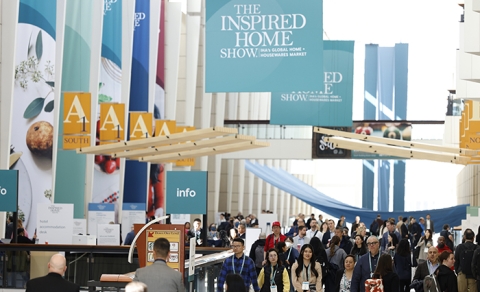
The Inspired Home Show is one of the most influential events for housewares product manufacturers. It brings innovation, creativity and buyer connections together under one roof. With the 2026 event just around the corner, now is the time to plan how to exhibit at the Inspired Home Show and get a return on it.
Most of that return comes from three things. Buyer meetings booked before you travel. A booth that shows your product the way it sits on a shelf. And follow-up that proves you remember the conversation. Here is how to get all three right at the Inspired Home Show 2026.
Key takeaways
- The show’s own website owns almost every search for this event. So a brand’s opportunity is not visibility at the show, it is what the brand does with the three days.
- Buyer meetings booked before the show are worth more than any booth upgrade. A booth with no pre-booked meetings is relying on foot traffic.
- Buyers assess packaging, price point, supply capability, existing validation and how easy you are to work with, roughly in that order.
- Follow-up is where trade show returns are won. Sort leads on the day, contact buyers first, and reference something specific from the conversation.
- Decide what to change for the next show while the last one is still fresh. Space deadlines come around faster than the decision does.
- Retailbound helps brands launch and scale with more than 150 retailers across North America. That work starts after a good show, not at it.
Why the Inspired Home Show Is Essential for Product Manufacturers
The Inspired Home Show is more than a trade event. It is a marketplace for housewares innovations, trends and buyer connections. For manufacturers, it is a chance to:
- Show new products to thousands of attendees
- Connect with key buyers and industry leaders
- Gain insights on emerging housewares trends
- Expand your brand visibility and market reach
With thousands of exhibitors and attendees, standing out matters. Whether you are launching a new product or strengthening existing relationships, this show can deliver measurable business results. If you are still deciding whether to exhibit at all, read why trade shows are valuable for product startups first.
Note
Show dates, booth costs, floor plans and exhibitor lists change every year. The show publishes them on its own website, so check there for the current figures. Any number repeated here would go stale.
Preparing for the Inspired Home Show 2026
Research the Latest Trends
Each year, the Inspired Home Show highlights emerging market trends. Research them in advance and you can line up your products and marketing with what buyers are looking for.
- Read industry reports and market analysis
- Attend pre-show webinars or briefings
- Follow housewares trend blogs and publications
Being informed lets you tailor your booth, presentations and conversations to the latest industry demands.
Set Clear Goals and Objectives
Success starts with clear goals for the show. Are you aiming to:
- Generate high-quality leads
- Launch a new product
- Build or reinforce brand awareness
Break your goals into steps you can act on. For example, if leads are the priority, plan how you will capture contact details and how you will follow up after the show. Our 9 steps for trade show marketing success walk through that planning in order.
How to book buyer meetings before you arrive
The show sells you the floor space and gives you the buyer registration lists. What you do with those lists is entirely on you, and it is the highest-value work of the whole exercise. A booth with no pre-booked meetings is a booth relying on luck.
Work backwards from the show.
1. As soon as you book the space: write down the retailers you actually want. Named chains and named independents, not categories. Then, for each one, the specific department your product would sit in. This list is the foundation. Everything else depends on it being narrow and real.
2. Next: find the right buyer, not a general contact. Retailers have many buyers, and each one owns a slice of the assortment. A message to a general inbox or the wrong department goes nowhere. Use the show’s exhibitor resources and buyer information, your distributors, your reps and other brands in your category to find the person who owns your section.
3. Well before the show: reach out. Buyers plan their show weeks in advance. By the time they are in the building, their calendar is full. Early is the entire advantage here, and most exhibitors leave it far too late.
4. In that message: give them a reason to stop, not an invitation. “Come and see us at booth X” asks them to do the work. Instead, say what category you are in and what your product adds to their section. Then ask for a specific short slot on a named day. One paragraph, one ask, one attachment: the sell sheet.
5. The week before: confirm every meeting. And again the day before. Show schedules break constantly. A confirmation is what turns a booked slot into an actual conversation. Once it is confirmed, treat it like any other buyer meeting and read up on preparing for a meeting with a retail buyer.
6. For the buyers who never replied: have a floor plan. Know which of your target retailers are attending. Know where the show’s buyer programming and networking events are, and be ready to work them. A meeting you did not book can still happen. It just happens somewhere other than your booth. Keep your sell sheet and a sample with you at all times, including at the evening events.
The brands that do well at this show book most of their meetings before they pack the truck. Everyone else spends three days hoping.
Optimize Your Booth Design
Your booth is your brand’s first impression. A well-designed booth draws more visitors and makes real conversations easier. For the basics, start with our 9 tips for exhibitors at trade shows.
Pro tip
Display your product the way it will sit on a shelf, not the way it looks best. Buyers are placing it in a planogram in their head while they stand there. A beautifully lit hero display tells them nothing about whether four facings of it will work in their store. Bring a shelf section if you can.
- Use a clear layout and an eye-catching color scheme
- Highlight key products with interactive demos
- Add digital displays, touchscreens, or AR/VR experiences
- Keep your branding consistent and visible across the space
What a housewares buyer is looking at in your booth
Booth design advice is about attracting attention. Here is what a housewares buyer is actually assessing once they are standing in front of you, usually while you are talking about something else.
Does the packaging work on a shelf, or only on a plinth? In your booth the product is lit, isolated and presented beautifully. In their store it will sit at eye level or below, in a row of competitors, under ordinary lighting, with two seconds to make its case. A buyer mentally moves it there and sees at once whether it holds up. If your pack only reads well in a spotlight, they know.
Does the price point fit their existing assortment? They have a price architecture in the category: an opening price, a mid-tier and a premium end. They are working out where you slot in and whether that slot is already full. A product priced between two tiers, serving neither, is a common and quiet reason for a no.
Can you supply at the volume they would need? They are estimating your capacity from what they can see. The size of your stand, the size of your team, and how you answer questions about lead times and minimums. Have real numbers ready: production capacity, lead time, minimum order quantity, and what happens if it sells faster than expected.
Does anyone already stock this? Existing retail placement, and how the product performs there, is the evidence that shortcuts everything else. If you have it, bring the rate of sale, not just the logo.
Are you easy to deal with? This is judged in the first minute, and almost nobody prepares for it. Can you answer a commercial question without checking with someone? Do you listen to the question before you answer? Do you understand their business? Do you seem like a company that will answer the phone in six months when something goes wrong? Buyers take on vendors they expect to be low-maintenance, and they form that judgment very early.
Maximizing Engagement During the Show
Connect with Attendees
Engagement is everything. Train your team to:
Pro tip
Put one person on the booth whose only job is qualifying, and keep them away from demonstrations. The most expensive thing that happens in a booth is a founder spending twenty minutes with a curious attendee while a category buyer walks past. Agree on the two questions that separate the two before the doors open.
- Be approachable, enthusiastic and knowledgeable
- Start conversations with open-ended questions
- Deliver a short, compelling elevator pitch
Every conversation is a chance to leave a lasting impression on buyers, partners and potential clients. For the etiquette side, see the dos and don’ts of trade show attendees.
Use Technology for Impact
Technology can lift your booth experience and set your brand apart:
- Use AR/VR demonstrations to show products
- Add digital tracking tools to monitor booth engagement
- Offer interactive touchpoints so visitors can explore your products
The metrics you collect during the show can help you refine your approach and improve your return.
Networking Strategies
Networking is a core part of the Inspired Home Show experience. To build connections that last:
- Attend networking events and industry panels
- Put quality over quantity in every interaction
- Keep business cards handy and follow up promptly
- Send personalized emails to reinforce relationships
Genuine relationships lead to long-term partnerships and business growth.
Post-Show Follow-Up
Why Follow-Up Matters
The work doesn’t end when the show closes. A structured follow-up plan is what turns leads into real business.
- Set a timeline for contacting new leads
- Personalize your messages based on the conversations you had at the show
- Offer exclusive promotions or incentives to prompt a reply
Best Practices for Lead Follow-Up
Good follow-up raises your chances of conversion:
Pro tip
Write the follow-up note on the back of the card in the moment, not at the hotel that night. By the evening every conversation sounds the same. The specific detail that makes your email worth opening is already gone. One line is enough: what they asked about and what you promised to send.
- Keep emails short and relevant
- Show how your products solve the buyer’s needs
- Reference your conversation at the show for a personal touch
The two weeks after the show
A buyer leaves this show with hundreds of conversations in their head and a bag full of material. Two weeks later, most of it blurs together. The follow-up that gets read is the one that proves you remember the specific conversation.
On the day, every day: sort what you collected into four groups before you leave the hall. Buyers and buying influencers. Distributors and reps. Press. Everyone else. Add one line of notes to each buyer entry while you still remember it: what they asked about, what worried them, and what you promised them.
Within two to three days: send the buyer follow-ups. Put the specific thing you discussed in the first line, so they know at once which conversation this was. Attach a high-converting retail product sell sheet, not a catalog. If you promised something in the conversation, whether pricing, a sample or a specification, it goes in this email.
Same week: distributors and reps, with the same discipline.
The week after: press, with the images and information they need. Then everyone else, with a short, low-pressure message.
Then set a second touch, dated, before the buyer’s next category review. Ask when that review falls, or find out. Your second contact should land shortly before it, with something new in it rather than a repeat of the first message.
What belongs in a follow-up to a buyer:
- One line referencing your actual conversation.
- What the product is and which of their categories it fits.
- Retail price, wholesale price, case pack and lead time.
- Any evidence of how it sells elsewhere.
- The one-page sell sheet attached.
- A clear next step with a date attached to it.
What does not belong: your founding story, a twenty-slide deck, a full product catalog, or a request for them to “let you know their thoughts.”
Long-Term Benefits from the Inspired Home Show
The connections and insights you gain at the Inspired Home Show keep paying off long after the event:
- Refine your product range based on industry insights
- Nurture new relationships through ongoing communication
- Stay active in industry discussions to stay relevant
- Watch emerging trends for future product opportunities
Consistent engagement keeps your brand visible and respected in the housewares industry.
Planning for the next show, not the last one
Everything above applies to any year of this show. This section is the part that changes, so it is worth keeping separate so the rest stays useful.
The decisions that shape your next show are made in the two weeks after the last one, while everything is still fresh. Sit down with your team and answer these:
Did the booth position work? Which aisle, which hall, what was around you, and did the right kind of visitor walk past? Booth location is one of the few things you can buy differently next time. It is allocated early, often on a priority system that rewards the exhibitors who commit soonest.
Which visitors were worth having? Compare the kinds of people who stopped against the kinds you wanted. If the wrong visitors dominated, that is a signal about your position on the floor, your signage, or your category listing in the show directory.
What did the display fail to do? What did you find yourself explaining over and over, and could the stand have said it for you? What did people walk past without stopping? These questions produce a specific list of changes rather than a vague intention to do better.
When does space for the next show have to be committed? This is the crunch. Show organizers usually open space selection for the following year very soon after the current one ends, often during it. The best positions go first. So your decision about whether and how to exhibit next time has to be made while you are still processing the last one.
For the current year’s dates, registration deadlines, space selection windows, exhibitor kit and costs, go to the show’s own website. It is the authoritative source, those details change every year, and it will be the first result you find anyway.
Your Path to Success at the Inspired Home Show 2026
Prepare with a plan, engage with purpose, and follow up with discipline. Do that and you can maximize your impact at the Inspired Home Show 2026.
Stay on top of trends, put technology to work, and build genuine connections. That is how you turn your show into measurable business results.
Free consultation
Talk to a retail expert about your product.
We build the retailer list, the pricing model, and the buyer pitch, so your first meeting starts from your numbers instead of theirs.
Retainer only, no commission · 150+ retailers · No obligation
Frequently asked questions
Beyond the booth itself: a target list of retailers, buyer meetings booked in advance, a sell sheet you can hand over, product displayed the way it would sit on a shelf, and a follow-up plan written before you travel. The physical setup is the part brands always get done, and the part that predicts the outcome least.
The show publishes its own exhibitor list and buyer registration lists through its exhibitor marketing kit. Go to the show’s site for those. Avoid third parties selling scraped attendee data, which is what most of the alternatives are.
Yes. It is the same event under its current name, which is why searches for the older name still find it. If you are reading older exhibitor advice, check which name it uses, because logistics and layout have changed since.
Early enough that the buyer’s show calendar is not already full, which is earlier than most brands think. Buyers plan their floor time well ahead. A request that arrives in the final two weeks is competing with a schedule that is already set.
It depends almost entirely on preparation, not booth size. A small booth with six confirmed buyer meetings will outperform a large one with none. Decide what a return looks like before you book, in meetings and next steps rather than in leads collected.